You Have the Kimono. Now What?
Maybe you bought one at a second-hand market in Kyoto. Maybe you found one at a flea market in Tokyo, or an antique shop in Osaka, and you could not leave without it. Maybe you have had one for years — a gift, an inheritance, something you picked up on a previous trip — and this visit to Kyoto is the moment you finally want to wear it properly.
Whatever the origin story, the situation is the same. You have the kimono. You do not know how to get it on.
And before you think it is just a matter of wrapping and tying: it is not. A kimono has a specific layering order, a specific collar position, a specific way the panels overlap at the front, and an obi that requires knowing a tied style to look intentional rather than improvised. Getting any of these wrong is immediately visible. Getting all of them right, on yourself, without help, is something that takes years of practice.
This post is specifically about bring-your-own kimono dressing services in Kyoto — what they are, what they include, what to bring, and why Kimono no Obebe near Shijo Station is set up to handle this properly for international visitors. By the end, you will know exactly what to expect, what to prepare, and how to walk out of the shop looking like the kimono was made for you.
What a Bring-Your-Own Kimono Dressing Service Actually Includes
The specific services available vary by shop, so here is what a proper dressing service should cover — and what Kimono no Obebe offers as part of the bring-your-own package.
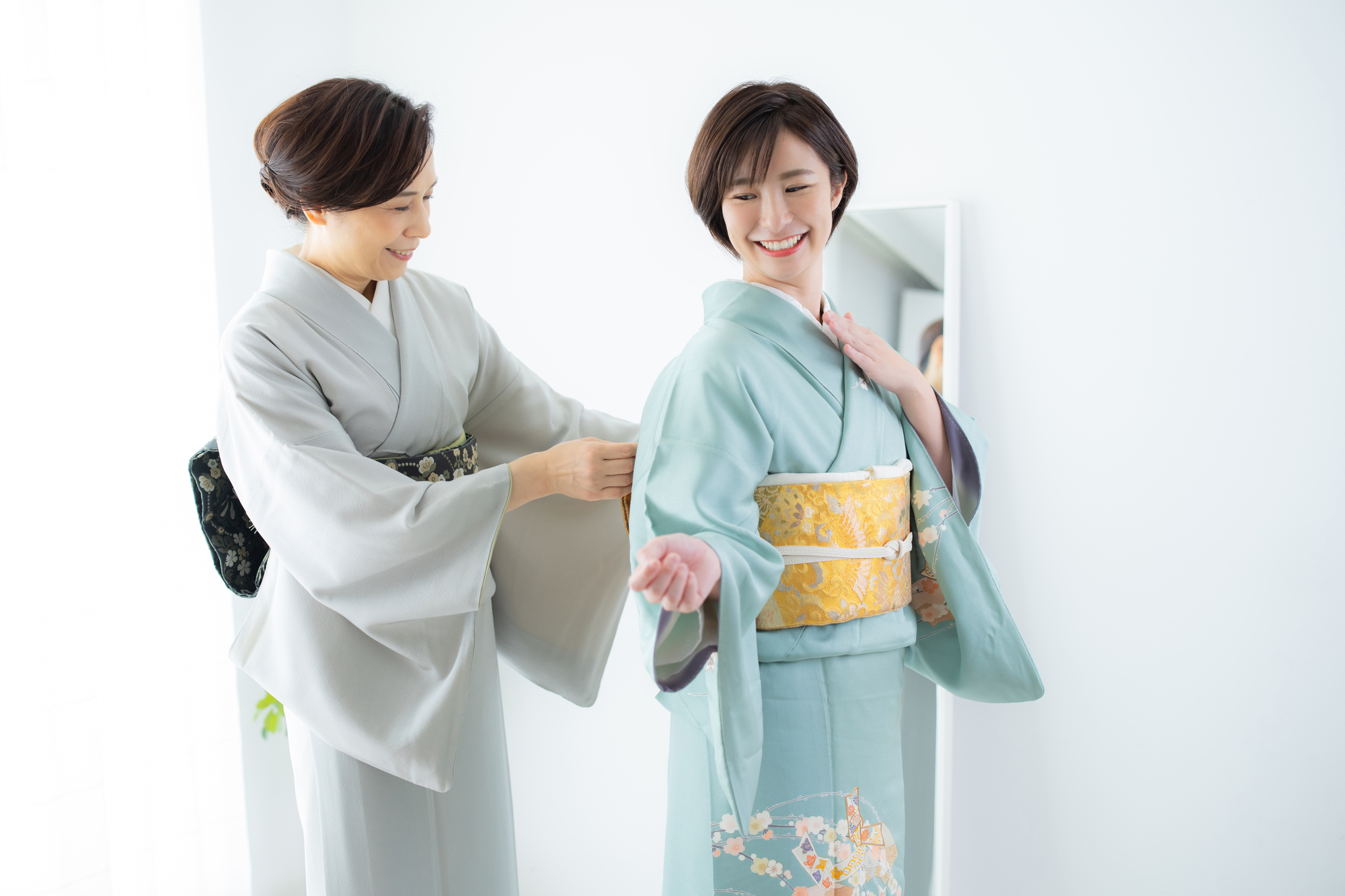
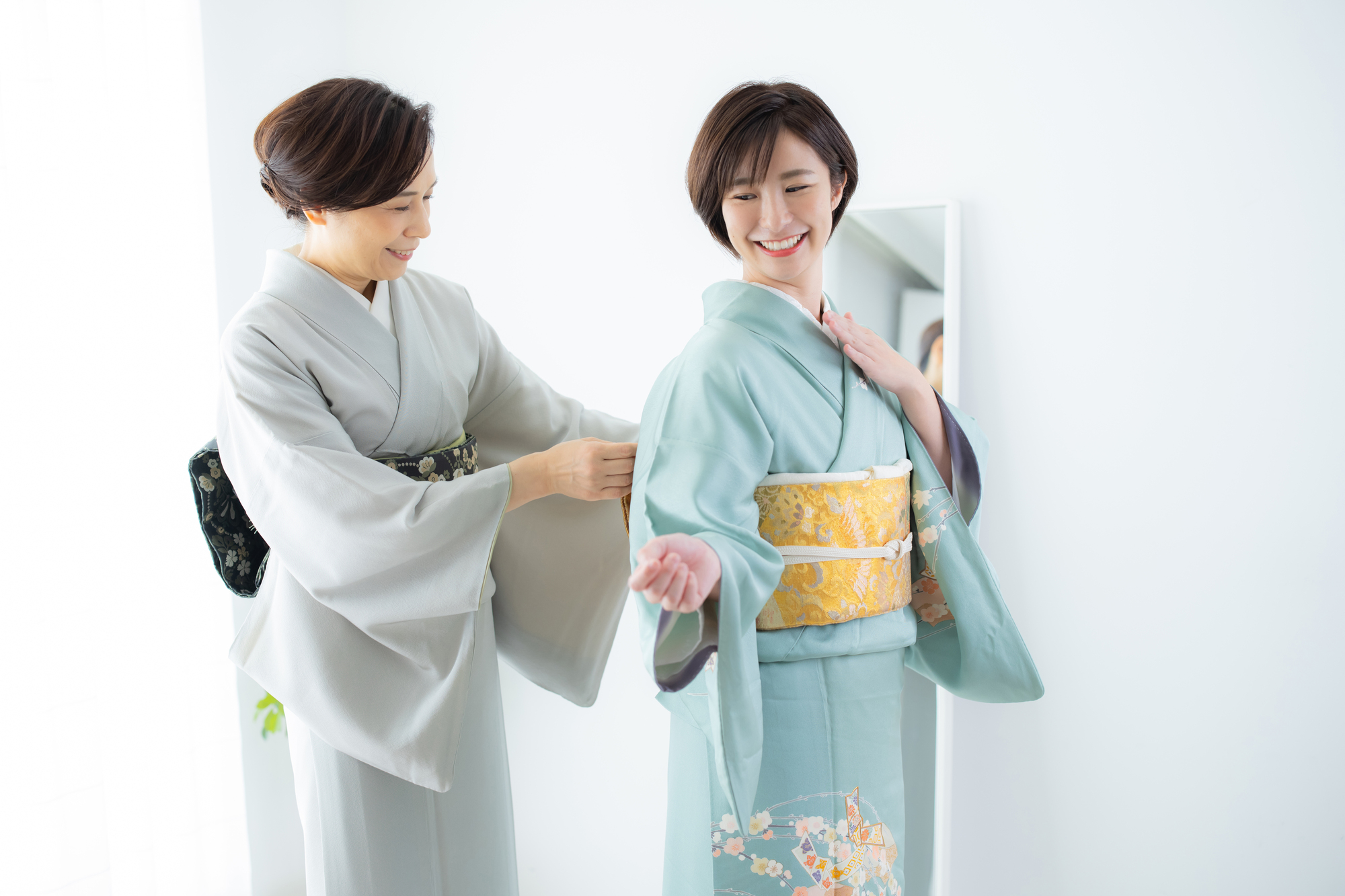
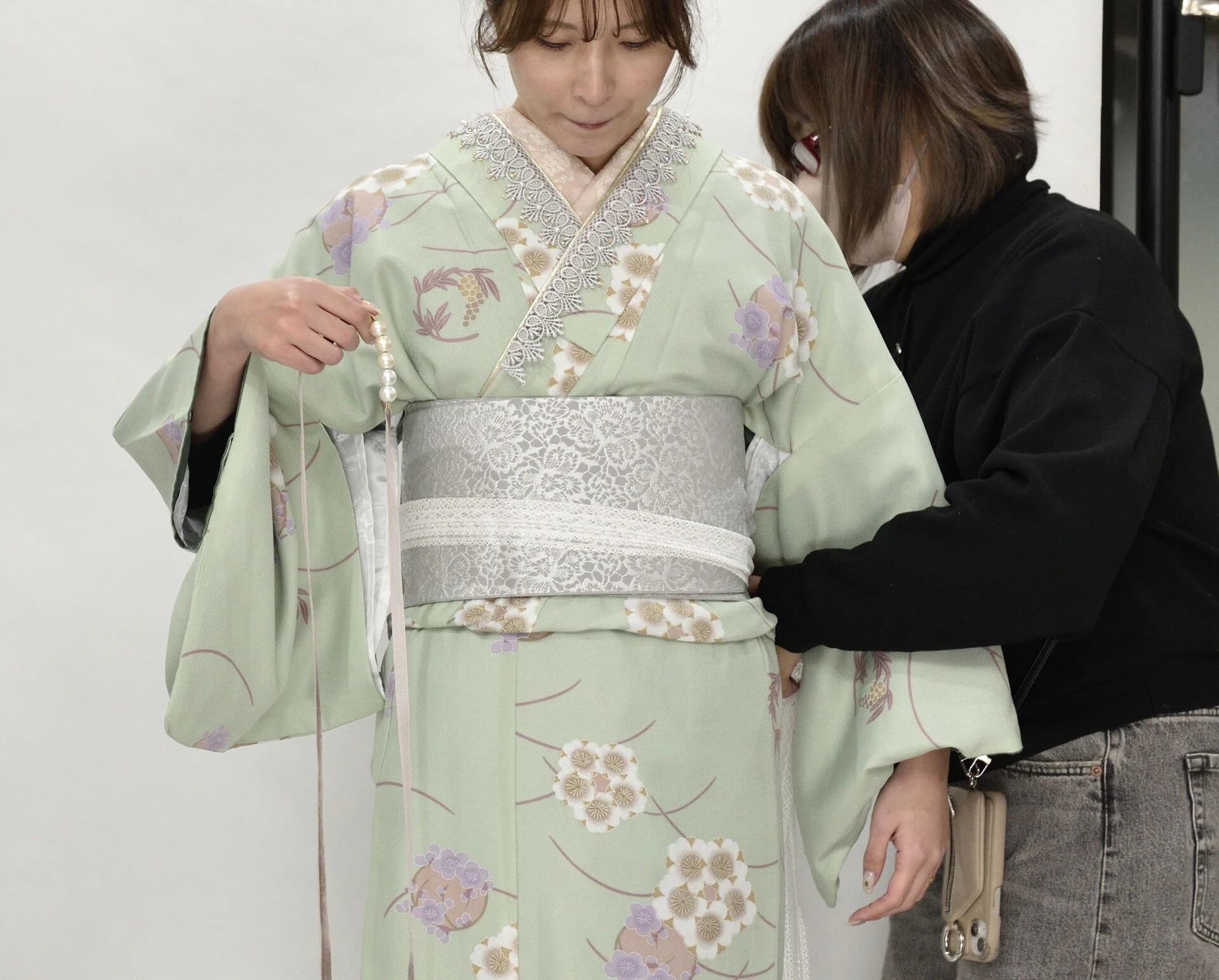
Professional dressing. This is the core of it. A member of staff who dresses people in kimono every day handles the full layering and fitting process — collar position, panel overlap, ohashori fold (the tuck at the waist that adjusts the length), and obi tying. They work with your specific kimono and adjust for your body proportions. The result is a properly fitted look that you could not achieve alone regardless of how many YouTube tutorials you watched beforehand.
Obi tying. If you have brought an obi with your kimono, the staff will tie it in the appropriate style for the formality of the garment. If you do not have an obi, or if yours is not suitable for the kimono you have, the shop can provide one from their inventory to complete the look. The obi is one of the most technically demanding elements of the kimono — getting it tied correctly, in a style that matches the occasion and the garment, is skilled work.
Supplementary accessories. If your kimono is missing accessories — obi-jime cord, obi-dome clip, tabi socks, zori sandals — the shop can supply what is needed to complete the outfit. You do not need to arrive with every element of a full kimono coordinate. The staff fills in the gaps.
Hair styling. Kimono no Obebe includes hair styling as part of the dressing experience. A properly styled updo with kanzashi hairpins completes the look in a way that even a well-worn kimono cannot achieve alone. This is one of the elements that makes the difference between wearing a kimono and looking like you are wearing a kimono.
For full details on bring-your-own packages and pricing, check the plans page here or contact the team directly at kimononoobebe.love/contact.
What to Bring — and What You Do Not Need to Worry About
Before your appointment, here is what to prepare.
The kimono itself. Bring it clean and unfolded if possible, or folded in the traditional hon-datami method if you know it. If it has been stored in a bag or suitcase and is creased, that is fine — the staff work with this regularly and will manage the wrinkles during dressing.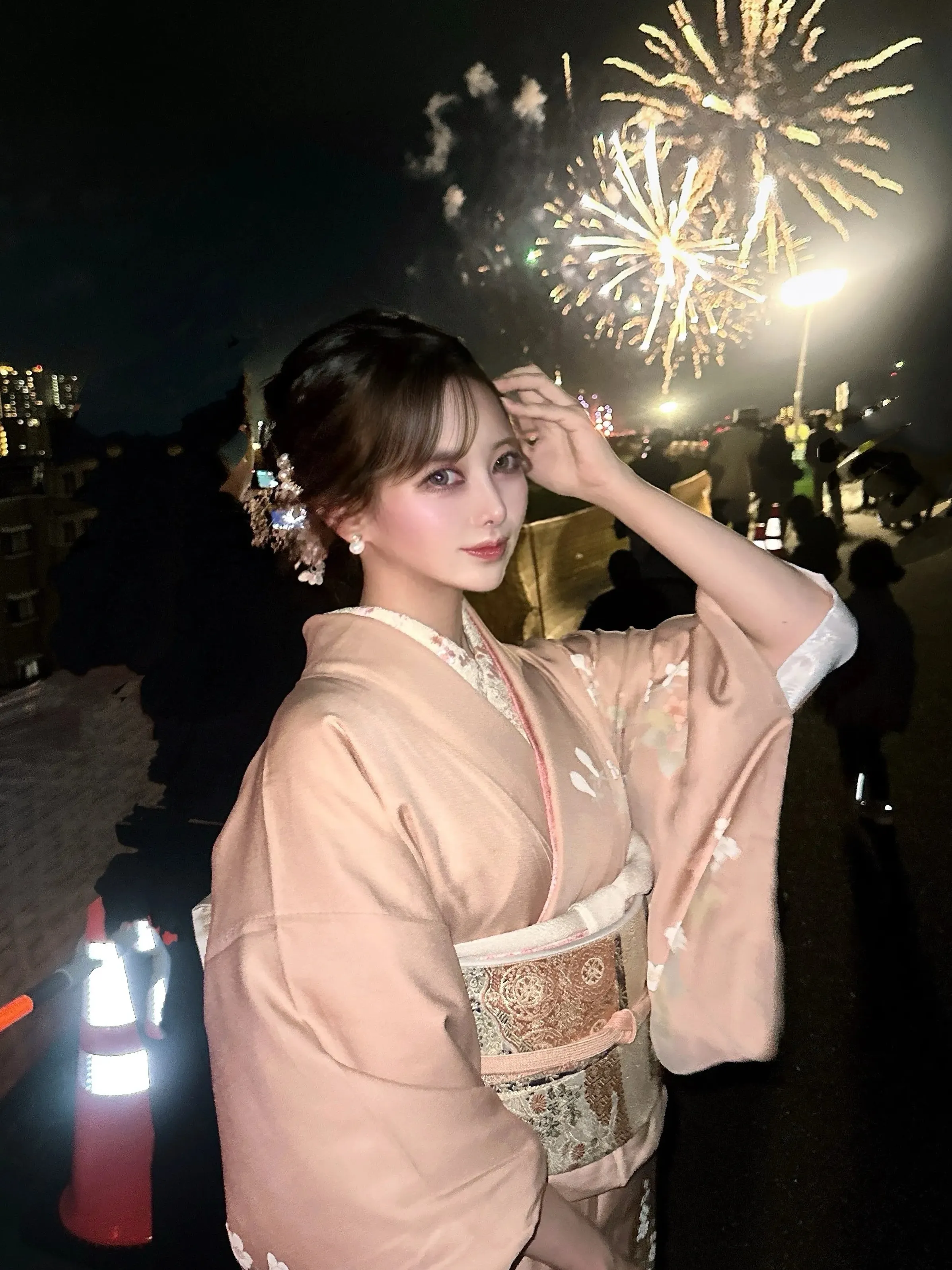
The nagajuban (under-kimono). This is the thin garment worn directly beneath the kimono. It provides the white collar that shows at the neckline and protects the kimono fabric. If you have one, bring it. If you do not, the shop may be able to provide one — confirm in advance when you contact them.
The obi. Bring it if you have one. If your obi does not match well with your kimono or is the wrong width or formality level, the staff will advise you and can provide an alternative from the shop's inventory.
Accessories. Bring whatever you have. Any accessories that belong with your kimono — obi-jime, obi-dome, kanzashi, kinchaku bag — are worth bringing even if you are not sure they match. The staff will sort out what to use and what to set aside.
What you do not need to bring: sandals, tabi socks, or detailed knowledge of what goes where. The staff handles the knowledge. You just need the garment and its main components.
The Most Common Situations — Who Actually Uses This Service
Here is a realistic picture of the kinds of travelers who use bring-your-own kimono dressing services, and why the service solves a specific problem for each.
The market buyer. Kyoto has excellent second-hand kimono markets — Toji Temple Market, the Kitano Tenmangu market, smaller antique dealers around Nishiki. A lot of visitors buy a kimono during their trip with the intention of wearing it, then realize they have no idea how to get it on. The dressing service is the logical next step after the purchase.
The inheritor. Someone who has a family kimono — grandmother's, mother's, an aunt's — that has been stored carefully for years. They are in Kyoto and they want to wear it properly, in the right context, with the right styling. The dressing service handles the technical side so the experience can be about the garment's meaning rather than the logistics of getting it on.
The collector. Someone who owns multiple kimono and knows their value and history, but still cannot tie the obi properly on themselves. Knowing a lot about kimono does not automatically translate into being able to dress in one. The dressing service is not about knowledge — it is about having hands other than your own.
Here is a fictional but realistic example of how this plays out.
Imagine a woman who spent three days in Kyoto earlier in her trip and found a stunning 1960s-era houmongi at a second-hand textile shop near Nishiki Market. Pale green with hand-painted wisteria cascading across the panels. She bought it on impulse, not entirely sure what she was going to do with it. By the end of the trip she had decided: she was going to wear it in Gion before she left. She contacted Kimono no Obebe, explained what she had, and booked a bring-your-own appointment. She arrived with the kimono, a nagajuban she had bought at the same shop, and an obi she was not sure matched. The staff assessed the combination, set the obi aside and provided a better-suited one from their inventory, dressed her in 30 minutes, and styled her hair with silver kanzashi that picked up the wisteria color. She spent the afternoon in Gion in a kimono that was genuinely hers rather than a rental. The photos looked extraordinary.
(This is a fictional example — not a real customer account — but it is the kind of situation this service is specifically designed for.)
Why Location Matters for a Dressing Service
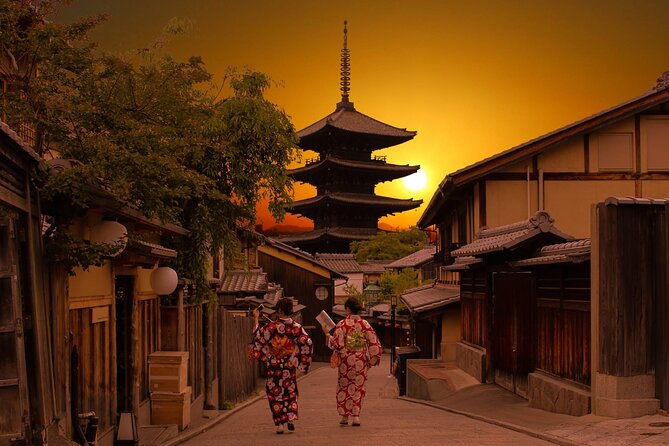
One practical point worth making: the value of a bring-your-own dressing service depends heavily on what you can do once you are dressed. Getting dressed in a shop that is 20 minutes from Gion means you are still spending time and energy getting to the neighborhood you came for, in sandals, carrying whatever bag you arrived with.
Kimono no Obebe is a 2-minute walk from Shijo Station, right at the edge of the Gion district. You arrive with your kimono, you leave properly dressed, and the neighborhood begins immediately. Hanamikoji Street is 10 minutes on foot. Pontocho is 5 minutes. The Shirakawa Canal is 12 minutes. Yasaka Shrine is 15 minutes. You do not need transport. You just walk.
That matters more for bring-your-own customers than for standard rental customers, because you have already invested in the garment itself. Getting the most out of it means spending the maximum time in the neighborhood, not in transit.
Photography: When It Is Especially Worth It for Your Own Kimono
If you are wearing a kimono that has personal meaning — bought yourself, inherited, or collected over time — the photography add-on is worth more than it would be for a standard rental.
Kimono no Obebe offers professional photography sessions starting from 10,000 yen. A photographer takes you through the best spots in Gion and the surrounding area — the angles that work, the light conditions that photograph well, the candidly shot moments of movement that make a kimono look alive rather than static.
For a personally meaningful garment, having good photographs is the point. The session produces images that reflect what the kimono actually looks like when it is worn well, in the right context, with the right styling. That is harder to produce with a phone camera and a stranger on Hanamikoji. See the guest gallery here to get a realistic sense of what that looks like.
Seasonal Considerations for Bring-Your-Own Dressing
The season you choose changes the backdrop significantly, and for guests wearing their own kimono — which may have specific colors and patterns — matching the garment to the seasonal environment is worth thinking about.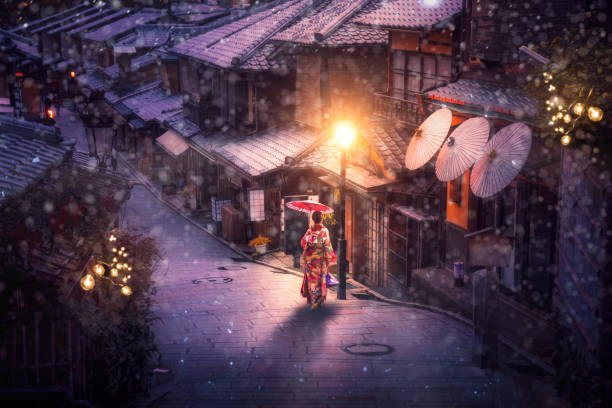
Spring (March-May) with cherry blossoms suits lighter-colored kimono particularly well — ivory, pale gold, soft green, dusty pink all photograph cleanly against sakura. If your kimono is in these tones, spring is the strongest backdrop match. Book well in advance for April.
Autumn (October-November) suits deeper, richer colors — burgundy, navy, forest green, deep gold — that contrast beautifully against red and amber maple leaves. If your kimono is in these tones, autumn is arguably the best season to wear it in Kyoto. The Shirakawa Canal and the Gion backstreets in November provide exactly the right backdrop.
Summer (June-August) is worth noting specifically for guests with yukata rather than full kimono. If you have purchased a yukata — lighter, more casual, appropriate for summer — the Gion Matsuri festival in July is the ideal context. Wearing your own yukata during Gion Matsuri is genuinely participatory.
Winter (December-February) brings quieter streets and a calm atmosphere that works well for formal kimono in deeper colors. New Year in Kyoto, with traditional dress at shrines and parks, is a particularly resonant time to wear a personally meaningful kimono.
Pricing at Kimono no Obebe is flat year-round. No seasonal surcharge regardless of when you visit. Reach the team through the contact page here to discuss your specific garment and book your appointment. Follow @kyoto_kimonorental_noobebe on Instagram for a look at what professionally dressed kimono looks like across different styles and seasons.
You bought the kimono. Wearing it properly — dressed by someone who knows what they are doing, in the right neighborhood, at the right time of year — is how the story completes itself.