Kimono Rental in Kyoto: What Is Actually Included vs. What Gets Added at Checkout?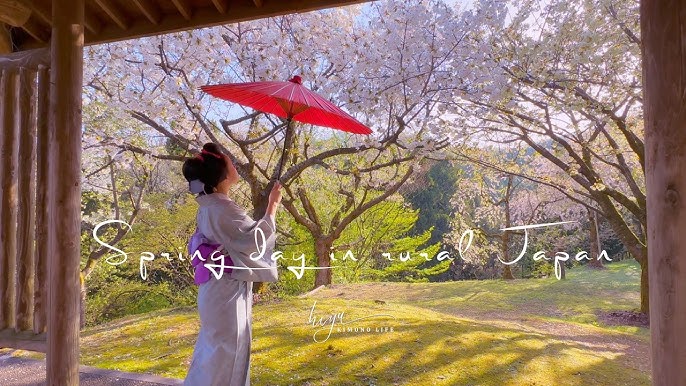
Here is a situation a lot of travelers run into with kimono rental in Kyoto — and it is worth knowing about before you book anywhere.
You find a rental shop with a great starting price. You book. You arrive, pick your kimono, and start the dressing process. Then the accessories come out. The obi. The kanzashi hairpins. The bag. The sandals. Each one is a small extra charge. By the time you walk out the door, what started as a 3,000 yen rental has become 6,500 yen, and you feel like you got played.
It is a genuine frustration and it is common enough that a lot of experienced Kyoto travelers specifically search for shops that include accessories upfront rather than itemizing them at the end.
This post is for the traveler who wants to understand exactly what a complete kimono accessories package includes, why each element matters for the final look, and what you get when you rent from Kimono no Obebe near Shijo Station. No surprises, no fine print. Just a clear picture of what a complete kimono experience looks like from the inside out.
this video is done by kimono no obebe team
Why Accessories Are Not Optional — They Are the Outfit
This is the part that first-time kimono renters often underestimate.
A kimono without its accessories is like a suit without a tie, shoes, or a belt — technically present, but missing the elements that pull it together. The accessories are not decorative add-ons. They are structural and aesthetic components of the outfit itself. Without them, the whole look is incomplete in a way that reads immediately in photos.
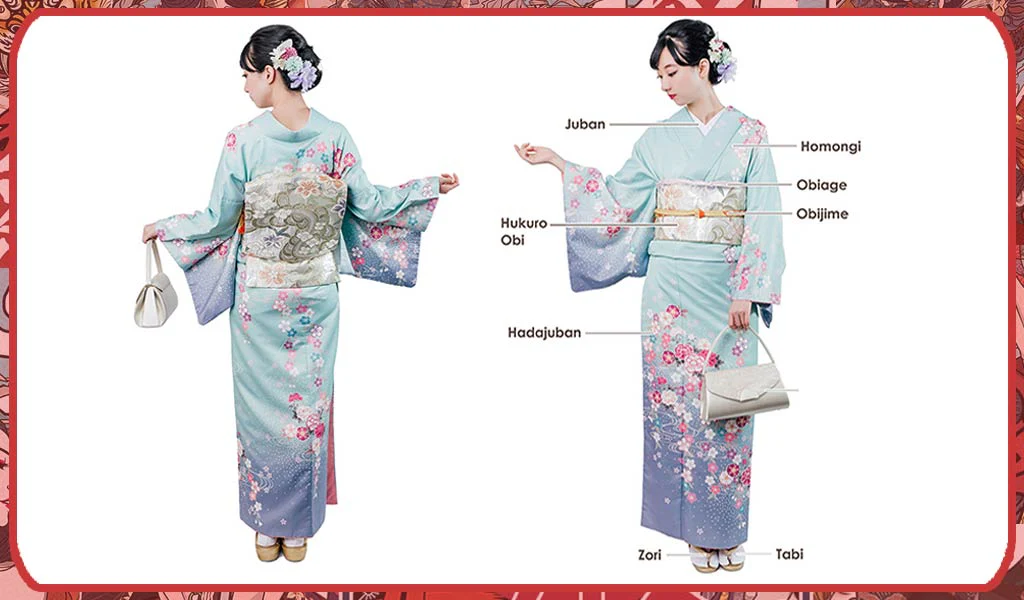
Here is what a complete accessories package actually includes and what each element does.

Obi sash — the wide fabric band that wraps around the waist and is tied at the back. This is the central visual element of the kimono from behind, and the pattern and color of the obi determines whether the whole outfit coheres or clashes. Choosing the right obi for your kimono is as important as the kimono itself.
Obi-dome and obi-jime — the decorative cord and clasp that sit across the front of the obi. Small details, but they add a finishing layer of formality and intentionality to the look that is visible in every frontal photo.
Tabi socks — the split-toe white socks worn with kimono and sandals. These are included in every plan at Kimono no Obebe — they are not an afterthought, they are part of the traditional outfit.
Zori sandals — the flat traditional sandals that complete the footwear. Provided as part of the rental in your size. Walking in zori takes about 10 minutes to adjust to; after that, they are comfortable enough for a full day of wandering Gion and Pontocho.
Kanzashi hairpins — decorative hairpins used in the upswept hair styling. These are the detail that most people notice and remember. A well-chosen kanzashi set complements the kimono and obi colors and adds the finishing touch that makes the hair styling feel traditional rather than generic.
Kimono bag (kinchaku) — a small drawstring bag that holds your essentials while you are dressed. You cannot use a regular handbag with a kimono without it looking wrong. The kinchaku is the accessory that solves that problem.
Every one of these elements is part of the standard rental experience at Kimono no Obebe. The price you see on the plans page is the price for the complete outfit — not the kimono alone with accessories sold separately.
Hair Styling and Makeup: Included, Not Extra

At a lot of Kyoto kimono rental shops, hair styling is available but treated as an add-on that comes with its own price tag. It gets offered during checkout, after you have already committed to the rental, which puts you in the position of either paying more than you expected or walking out with an incomplete look.
At Kimono no Obebe, hair styling is included in the rental experience. The staff styles your hair using the kanzashi accessories that come with your plan — an upswept traditional style that matches the formality of the kimono. Makeup services are also available for guests who want the full look.
This matters for a practical reason: the finished look of a kimono depends heavily on the hair. A perfectly fitted kimono with a messy bun or loose hair reads as a rental. The same kimono with properly styled hair and kanzashi reads as intentional and traditional. One of them photographs well. The other one is fine.
What the Full Package Experience Looks Like in Practice
Here is a fictional but realistic scenario that shows what a complete accessories package changes about the experience .
Imagine two friends visiting Kyoto for the first time in October. One of them researched rental shops in advance and booked Kimono no Obebe specifically because she had read that accessories were included. The other one had booked a different shop with a lower listed price. They compare notes afterward. At the first shop, the price on the website was the final price — kimono, obi, hairpins, sandals, bag, and hair styling all included. At the second shop, the base rental was cheaper but the obi, kanzashi, and sandals were itemized separately. The final bills were almost identical, but the first friend knew what she was paying before she arrived. The second friend felt surprised and slightly annoyed, even though the final experience was similar. The difference was not the money. It was the feeling of being dealt with honestly upfront.
(This is a fictional example — not a real account — but it reflects a genuinely common dynamic in how Kyoto kimono rental shops handle pric
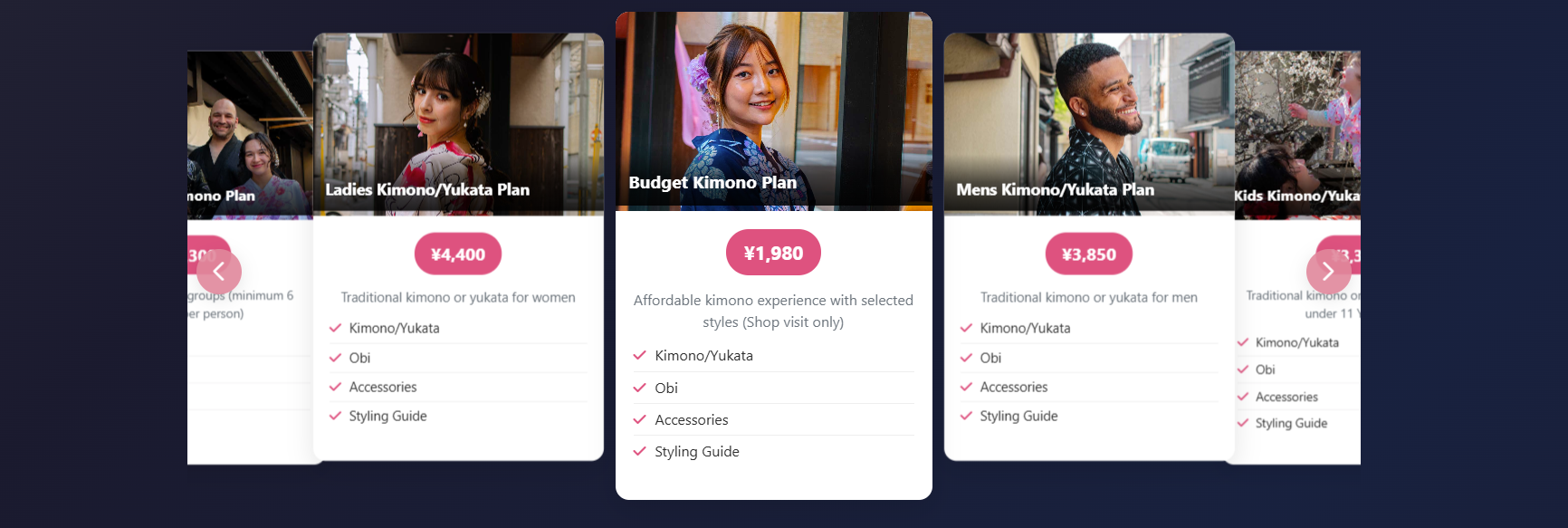
for kimono prices Click here
The Bring Your Own Kimono Option

One more thing worth knowing: Kimono no Obebe also offers bring-your-own-kimono packages for guests who own a kimono or have one they want to wear. If you have a kimono but no accessories — or if you have the kimono and accessories but need help with the dressing and hair — the shop can work with what you have and fill in what you are missing.
This is particularly useful for guests who picked up a kimono at a second-hand market (Kyoto has excellent ones), inherited a family kimono, or bought one online before the trip. Getting dressed alone without proper accessories is difficult. Having staff who know what they are doing, and who can supplement your outfit with the right pieces, makes the difference between a kimono that looks right and one that does not.
What the Accessories Package Looks Like Across Plans

Plans at Kimono no Obebe start from 1,900 yen for the budget option and go up to 15,000 yen for the furisode — the long-sleeved formal kimono with the most elaborate accessory coordination. At each price point, the accessories are appropriate to the formality of the kimono. The higher the plan, the more elaborate the obi style, the more premium the kanzashi options, and the more considered the overall coordination.
For most first-time visitors, a mid-range plan in the 3,000 to 8,000 yen range provides a complete, well-coordinated look without the full formality of the furisode. For guests visiting during cherry blossom season or autumn foliage, or for couples wanting impressive photos, the furisode plan produces results that are hard to match at any price point.
Photography sessions are available from 10,000 yen — a professional photographer joins you after dressing and takes you through the best spots in Gion and the surrounding area. When the accessories are properly coordinated and the hair is styled, the photos reflect that. Browse the guest gallery here to see what fully coordinated rental looks like across different seasons and plan levels.
When to Book and What to Expect by Season

Kimono no Obebe keeps pricing flat year-round — no seasonal surcharges during cherry blossom or autumn foliage season. The accessories package is the same regardless of when you visit. That consistency is part of what makes advance planning easier: you know what you are getting and what it costs before you arrive.
Spring (March-May) is the most in-demand period. Sakura season fills rental slots quickly, especially morning slots. Book at least two to three weeks in advance for April visits, earlier if possible.
Summer (June-August) offers lighter yukata options with simplified accessories — the coordination is slightly less elaborate than full kimono, but the styling is still handled by the staff and the accessories are still included. The Gion Matsuri in July is one of the best times to experience Kyoto in traditional dress.
Autumn (October-November) is the season where rich kimono fabrics and carefully coordinated accessories photograph best. Deep colors against maple leaves, warm afternoon light, and a complete accessories package that reads clearly in photos even from a distance.
Winter (December-February) is quieter across Kyoto. Longer rental windows are easier to arrange, the neighborhood is less crowded, and the full accessories package against a calm winter Gion backdrop has a quiet elegance that peak seasons do not always allow for.
Getting Here
Kimono no Obebe is a 2-minute walk from Shijo Station on the Hankyu Kyoto Line or Keihan Main Line. Five minutes from Kyoto Station via the Karasuma subway line. For plan questions, availability, and bookings, reach the team at the contact page here. For a real-time look at coordinated accessories and finished rental looks across seasons, follow @kyoto_kimonorental_noobebe on Instagram.
The accessories are not extras. They are the outfit. Knowing that before you book saves you from surprises at checkout — and sets you up for a kimono day that actually looks the way it should.