You Want to Walk Pontocho in a Kimono. Here's How to Make That Actually Work.
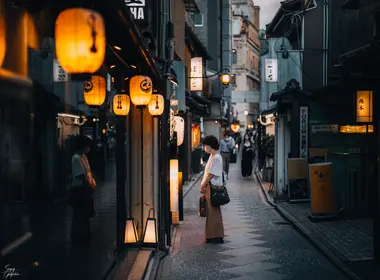
Pontocho is one of those Kyoto experiences that sounds almost too good to be true until you're actually there. A narrow alley barely wide enough for two people, running parallel to the Kamo River, lined with wooden restaurants and small bars, paper lanterns casting warm light on old stone walls. It photographs like a film set. It feels nothing like one.
And yes — walking Pontocho in a kimono is exactly as good as it sounds.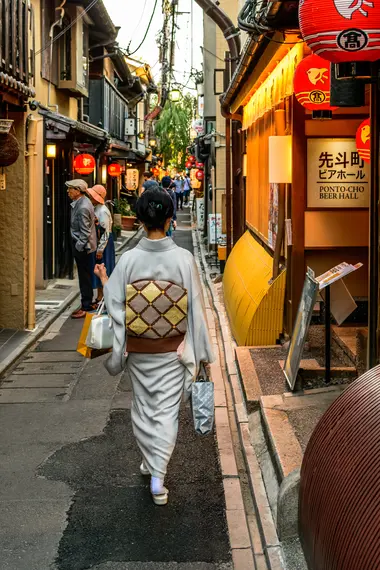
The challenge is logistics. A lot of travelers who want to do this end up renting a kimono somewhere on the other side of Kyoto, spending time and energy getting to the neighborhood, and arriving already slightly worn down before the good part starts. Or they rent near Arashiyama or Higashiyama and have to figure out transport back in sandals at the end of the day.
This post is specifically about solving that problem. By the end, you'll know exactly why renting from Kimono no Obebe near Shijo Karasuma is the closest and most practical option for a Pontocho kimono day, what the walk looks like, what else is nearby, and how each season changes the experience. Clean and simple.
How Close Is Shijo Karasuma to Pontocho, Exactly?
Let's be specific, because vague promises about proximity are frustrating when you're planning a real day.
Kimono no Obebe is a 2-minute walk from Shijo Station. Pontocho alley runs from Shijo-dori north to Sanjo-dori, with its southern entrance right at the Kamo River end of Shijo Street. From the shop to the entrance of Pontocho is approximately 5 minutes on foot — walking east along Shijo-dori toward the river, then turning north into the alley.
Five minutes. Dressed. In the right neighborhood already.
There's no train connection. No bus. No figuring out which exit of which station puts you closest to the alley entrance. You walk out of the shop and five minutes later you're standing at the entrance to one of the most atmospheric lanes in Japan, wearing a kimono, ready to go.
What Pontocho Actually Looks Like — And Why Kimono Works So Well There
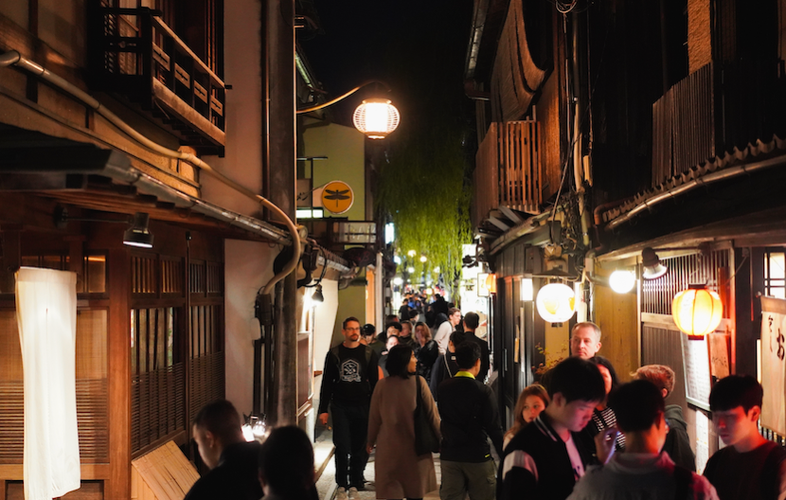
Pontocho is about 500 meters long and genuinely narrow. The buildings on both sides are old wooden structures — some of them hundreds of years old — pressed close together. Restaurants and small bars occupy most of them, many with tiny sliding doors and paper menus outside. In summer, the restaurants extend wooden platforms called yuka out over the Kamo River, giving guests a view over the water while they eat.
The atmosphere is intimate in a way that wider streets aren't. You're not walking through a crowd — you're moving through a space that feels designed for two or three people at a time, even when it's busy.
Wearing a kimono here works for a specific reason: the alley's visual vocabulary is entirely traditional. Wooden walls, paper lanterns, stone pavement, the narrow blue strip of sky overhead. A person in a kimono fits that context in a way that Western clothes simply don't. You're not wearing a costume against an incongruous backdrop. The backdrop and the outfit belong to the same world.
That's the combination people are chasing when they plan a kimono day in Kyoto — and Pontocho, reached on foot from Shijo Karasuma, delivers it more cleanly than almost anywhere else.
A Realistic Pontocho Kimono Day — What It Looks Like in Practice
Here's a fictional but grounded picture of how this day tends to unfold.
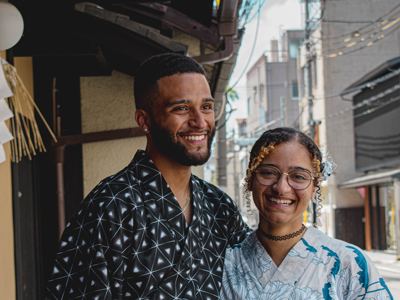
Imagine a couple visiting Kyoto for three days in early November. They've booked a 10am slot at Kimono no Obebe. By 10:35 they're dressed — she's in a deep burgundy kimono with a cream obi, he's in a navy haori set — and they walk east along Shijo-dori toward the river. They turn north into Pontocho at 10:40. The alley is quiet at this hour, the light falling between the buildings in thin strips, the wooden walls still damp from overnight rain. They walk the full length north to Sanjo, stop for matcha at a small counter bar, and loop back south. Then they head east into Gion's backstreets for another hour. By 1pm they're at Nishiki Market. They return to the shop at 5pm. The autumn maple leaves were just starting to turn. The photos are extraordinary.
(This is a fictional example — not a real account — but it's the kind of day this location makes straightforwardly possible.)
for kimonphotography prices go though this link - https://kimononoobebe.love/other_services.php
Everything Else Walkable From Shijo Karasuma in a Kimono
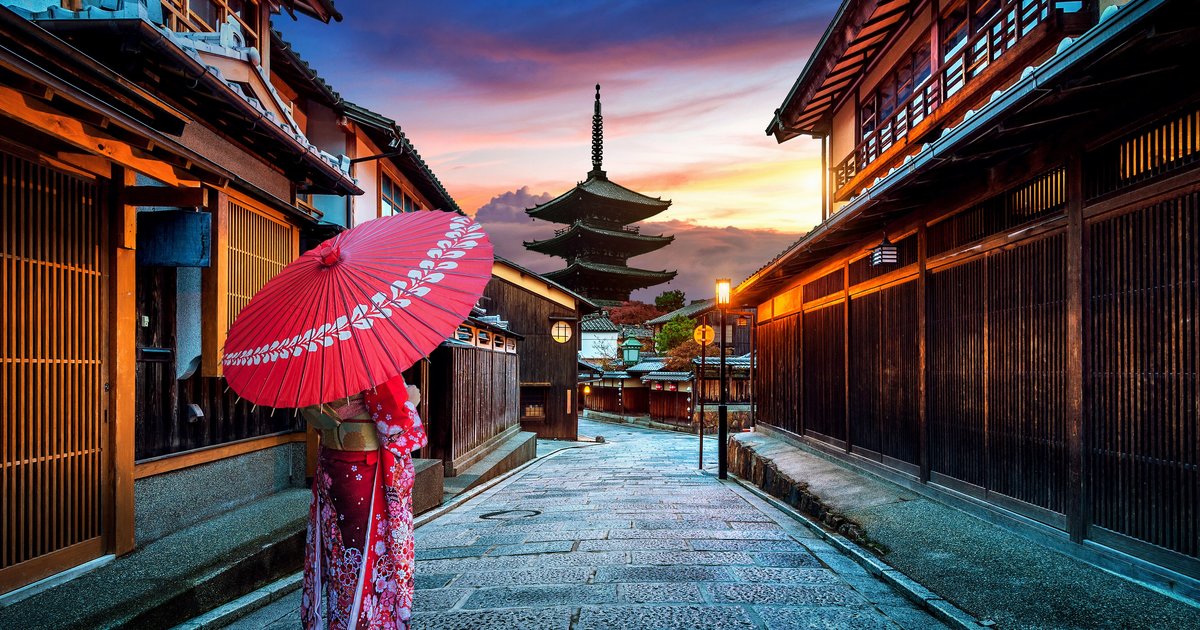
Pontocho is the focus here, but it's worth knowing what else is within easy reach once you're dressed. The neighborhood rewards wandering.
Kamo River banks — 5 minutes west of Pontocho. Wide, flat, easy to walk. In spring the banks are lined with cherry trees. In summer, the yuka dining platforms extend over the water from the Pontocho restaurants. Any time of year, the river walk is a good place to slow down.
Gion — Hanamikoji Street — 10 minutes east from the shop. The stone-paved lane with the traditional machiya townhouses and red lanterns. The single most photographed street in Kyoto, and for good reason. Morning is the best time — before the tour groups arrive and the light is still directional.
Nishiki Market — 5 minutes northwest. Kyoto's famous covered food market, narrow and long, full of vendors selling local food. Walking Nishiki in a kimono is a particularly good experience because you blend into the visual fabric of the place rather than standing out against it.
Yasaka Shrine — 15 minutes east along Shijo-dori. One of Kyoto's most significant shrines, with a stone torii gate entrance and an open courtyard. The approach along Shijo Street in a kimono is a good walk in every season.
Shirakawa Canal — 12 minutes east, north of Gion. A small canal lined with willow and cherry trees, quieter than Hanamikoji and more intimate. One of the most beautiful spots in Kyoto during cherry blossom season.
What the Full Rental Experience Includes
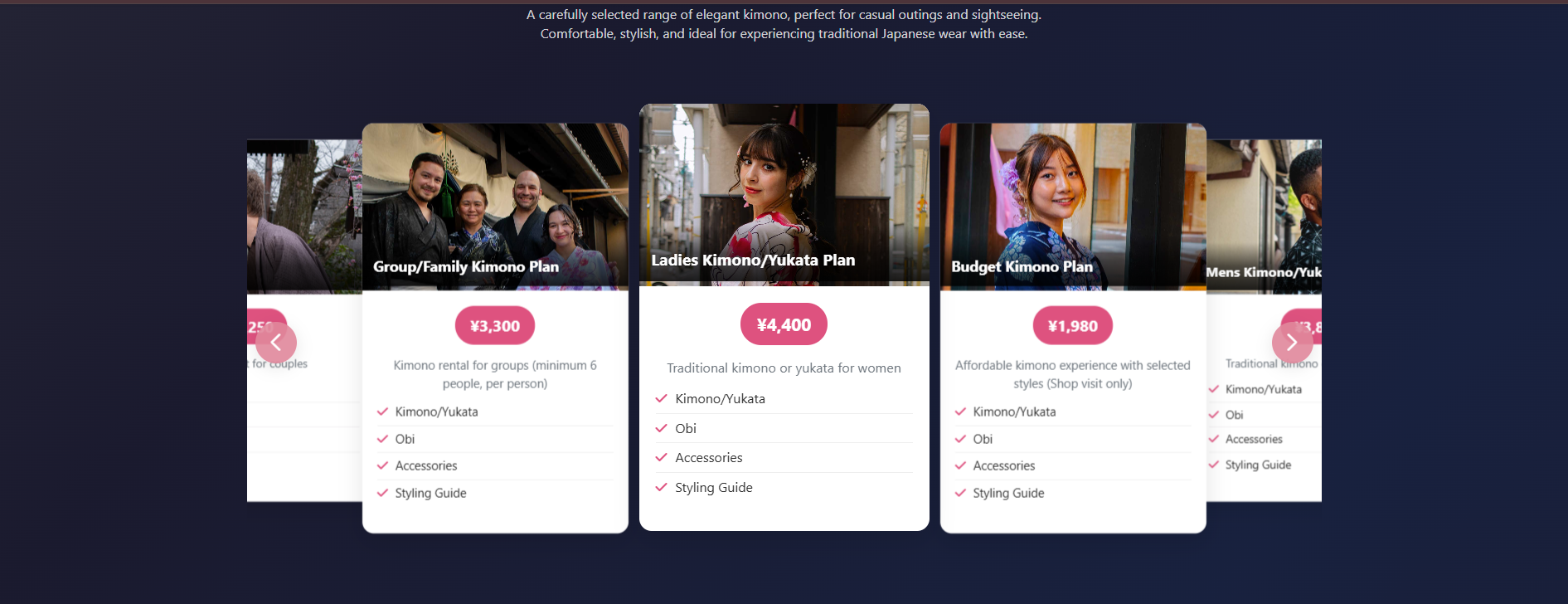
At Kimono no Obebe, the rental includes the full kimono outfit — obi, accessories, tabi socks, zori sandals — with staff handling the dressing properly. Hair styling is included, and makeup is available too. The English-speaking team means you can communicate throughout the process without a language gap making things awkward.
Plans start from 1,900 yen for a budget option and go up to 15,000 yen for the furisode — the long-sleeved formal kimono that photographs beautifully in Pontocho's light. Full pricing is on the plans page here. Pricing is the same year-round — no peak season surcharge during cherry blossom or autumn foliage.
Professional photography sessions are available from 10,000 yen. A photographer joins you after dressing and takes you through Pontocho, Gion, and the best nearby spots — knowing which corners of the alley catch the light at what time of day, and how to shoot in the compressed space of a narrow lane. See the guest gallery here for a realistic preview of results.
Pontocho by Season — What Changes and What Stays the Same
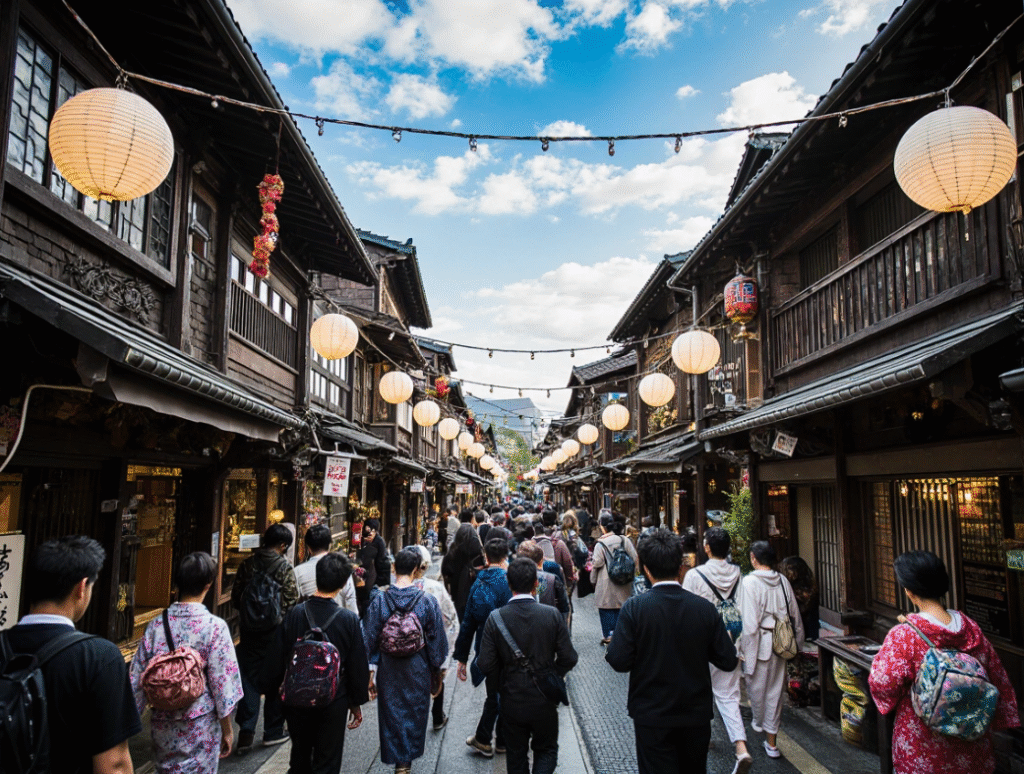
The alley itself doesn't change much. The atmosphere around it does, season by season, and that shapes the experience significantly.
Spring (March-May) brings cherry blossoms to the Kamo River banks right alongside Pontocho. The combination of the alley's lantern-lit atmosphere and sakura trees visible from the river end of the lane is genuinely special. This is peak season for all of Kyoto — book your rental slot well in advance if you're visiting in April.
Summer (June-August) is yuka season. From late May through September, the restaurants along Pontocho extend their wooden platforms over the Kamo River. Having dinner or drinks on a yuka platform in kimono, overlooking the river in summer evening light, is one of Kyoto's most specific pleasures. The Gion Matsuri in July adds the festival's energy to the whole neighborhood. Lighter yukata options are available for guests who want to stay comfortable in the summer heat.
Autumn (October-November) is when the light changes. Warm, low, golden in the afternoons. The maple trees along the nearby Shirakawa Canal and in Gion's backstreets turn red and gold. Walking Pontocho in a deep-colored kimono in early November morning light, when the alley is quiet and the air is cool, is a different experience entirely from peak tourist season — calmer, more atmospheric, and photographically stronger.
Winter (December-February) brings Pontocho down to its essential self. Fewer tourists, quiet evenings, the lanterns warm against cold air. A kimono walk through the alley in January, when most of Kyoto's crowds have thinned out, has an intimacy that the busier seasons can't match. Cold enough to layer — the shop can accommodate winter kimono layering — but not prohibitively so for a few hours of walking.
Getting Here and Booking
Shijo Station is on the Hankyu Kyoto Line and the Keihan Main Line — two of the main lines connecting Kyoto, Osaka, and the wider region. From Kyoto Station, the Karasuma subway line gets you to Shijo in five minutes. From Osaka, the Hankyu limited express is about 45 minutes to Kyoto-Kawaramachi, one stop from Shijo-Karasuma.
For questions about availability, plan options, or to arrange a photography session, reach the team through the contact page here. The about page here has more on the shop's setup and approach. And for real guest photos from Pontocho, Gion, and the surrounding area across different seasons, @kyoto_kimonorental_noobebe on Instagram is the most useful preview you'll find.
Pontocho in a kimono is one of those Kyoto experiences that lives up to what you imagined. Getting the logistics right — renting close, walking there directly, having time to actually enjoy the alley rather than rush through it — is what turns a good idea into a good day.