Summer Kimono Kyoto: Your Complete Guide to Yukata and Festival Season
Summer kimono in Kyoto opens a window into Japan's most vibrant and festive season. While heavy silk kimono dominate other seasons, summer brings the yukata—a lightweight cotton kimono that combines comfort with cultural elegance. From spectacular festivals illuminating ancient streets to peaceful evening walks along the Kamogawa River, experiencing Kyoto's summer in traditional dress creates unforgettable memories while keeping you surprisingly comfortable in the warm weather.
Understanding Summer Kimono: Yukata vs. Traditional Kimono
Summer kimono culture in Kyoto revolves around the yukata, a garment specifically designed for warm weather comfort while maintaining traditional aesthetics.

What Makes Yukata
Different
Yukata differs from traditional kimono in several important ways:
- Fabric weight: Lightweight cotton or synthetic blends versus heavy silk
- Layers: Single layer worn directly over undergarments, not multiple layers
- Formality: Casual garment appropriate for festivals, evening walks, and summer events
- Ease of wear: Simpler construction allows for quicker dressing
- Breathability: Open weave cotton provides air circulation
- Price point: More affordable to rent and purchase than formal kimono
When to Wear Yukata in Kyoto
Yukata appropriateness follows seasonal and situational guidelines:
 Season: Late May through September, with peak season July-August
- Time of day: Traditionally evening wear, though daytime festival wear is acceptable
- Occasions: Summer festivals (matsuri), fireworks displays, bon odori dances, riverside dining
- Locations: Outdoor summer events, traditional neighborhoods, hotel stays at ryokan
During Kyoto's intense summer heat, you'll see locals and visitors alike embracing yukata as practical yet beautiful attire for evening activities.
Traditional Kimono in Summer
While yukata dominates summer, lightweight summer kimono (ro or sha) exists for formal occasions:
- Ro kimono: Gauze-like weave with spaces between threads for ventilation
- Sha kimono: Fine, translucent silk for extremely hot days
- Hitoe kimono: Unlined single-layer kimono for June and September
These formal summer kimono appear less frequently at rental shops, which focus on the more popular and practical yukata for visitors.
Kyoto's Summer Climate and What to Expect
Temperature and Humidity Reality
Kyoto's summers are notoriously hot and humid:
- June: Rainy season (tsuyu) brings 75-85% humidity, temperatures 22-28°C
- July-August: Peak summer heat reaches 32-38°C with 70-80% humidity
- September: Gradually cooling but still warm, 25-32°C
- Evening relief: Temperatures drop 5-8°C after sunset, making evening activities more comfortable
The basin geography traps heat and humidity, creating conditions that even locals find challenging. However, yukata's design specifically addresses these conditions.
Why Yukata Works in Summer Heat
Despite high temperatures, yukata remains practical:
- Cotton breathes better than synthetic Western clothing
- Single layer prevents heat-trapping found in multi-layered outfits
- Loose fit allows air circulation around the body
- Traditional footwear keeps feet cooler than closed shoes
- Light colors reflect rather than absorb heat
Many visitors report that well-fitted yukata feels more comfortable than jeans and t-shirts in Kyoto's oppressive summer humidity.
Staying Comfortable in Summer Kimono
Smart strategies maximize comfort:
- Timing: Schedule activities for early morning (before 10 AM) or evening (after 5 PM)
- Hydration: Carry water constantly; dehydration occurs quickly
- Cooling products: Japanese cooling towels, portable fans, and body cooling sheets help
- Shade seeking: Plan routes with covered walkways and shaded temple grounds
- Indoor breaks: Ducking into air-conditioned shops or cafes prevents overheating
- Realistic expectations: Accept that you'll feel warm; it's part of the authentic summer experience
Kyoto's Summer Festivals: When Yukata Shines
Gion Matsuri: Japan's Most Famous Festival
Gion Matsuri dominates July with a month of events:
- Dates: Entire month of July, with main parades on July 17 and 24
- Yoiyama nights: July 14-16 and 21-23 feature evening street festivals with lantern-lit yamaboko floats
- Yukata everywhere: Locals and visitors alike dress in yukata for festival participation
- Closed streets: Car-free zones create pedestrian festival atmosphere
- Food stalls: Traditional festival foods line the streets
- Atmosphere: Magical blend of ancient tradition and contemporary celebration
Gion Matsuri represents the perfect time to experience summer kimono in Kyoto, as you'll blend seamlessly into crowds of yukata-clad festival participants.
Other Major Summer Festivals
Beyond Gion Matsuri, summer brings numerous celebrations:
- Mitarashi Festival (July/August): Wade through sacred waters at Shimogamo Shrine wearing yukata
- Kifune Shrine Water Festival (June 1): Traditional celebration in mountain setting
- Gozan no Okuribi (August 16): Five mountain bonfires bid farewell to ancestral spirits
- Tanabata (Early July): Star festival celebrated at various shrines with wish-writing traditions
- Local bon odori dances: Neighborhood festivals throughout August invite participation
Fireworks and Evening Events
Summer evenings bring spectacular displays:
- Miyazu Bay Fireworks (late July)
- Ujigawa Fireworks (early August)
- Various temple night illuminations and special viewings
- River terraces (kawadoko and noryo-yuka) along Kamogawa and Kibune
These evening events represent ideal yukata-wearing occasions, as cooler temperatures combine with festive atmospheres.
Festival Etiquette in Yukata
Participating respectfully enhances your experience:
- Follow crowd flow patterns to avoid blocking narrow festival streets
- Remove shoes when entering temple grounds for special events
- Eat festival foods standing at designated areas, not while walking
- Ask permission before photographing people in traditional dress
- Participate in bon odori dances if invited—locals appreciate cultural exchange
Choosing Your Summer Kimono Style
Selecting the right yukata involves understanding color theory, pattern traditions, and personal style preferences.
Traditional Summer Color Palettes
Summer yukata follows specific color conventions:
- Cool blues and indigo: Traditional summer colors evoking water and cooling sensations
- Crisp whites: Pure and refreshing, perfect for hot weather
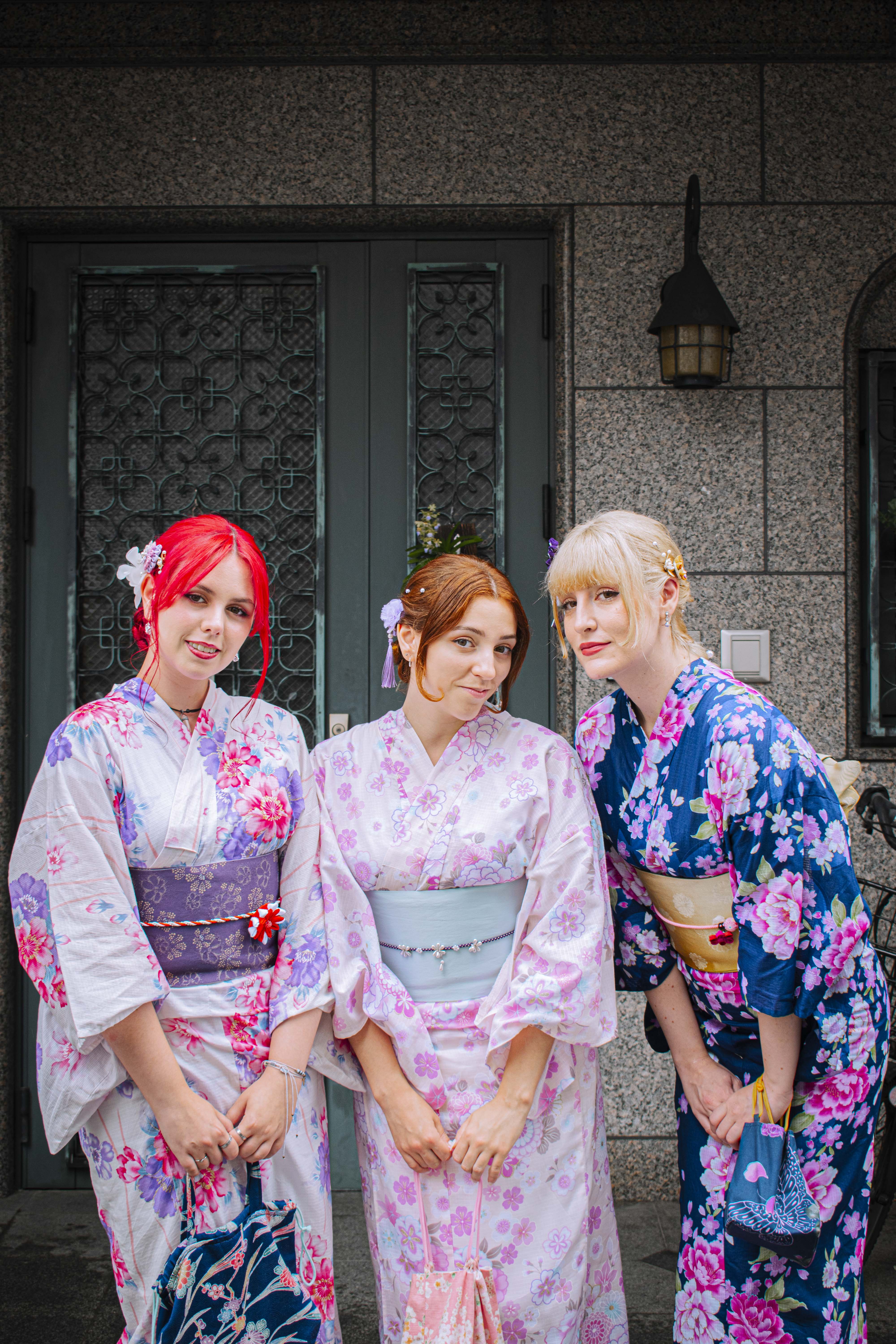
- Soft pastels: Pink, lavender, mint green create gentle, feminine looks
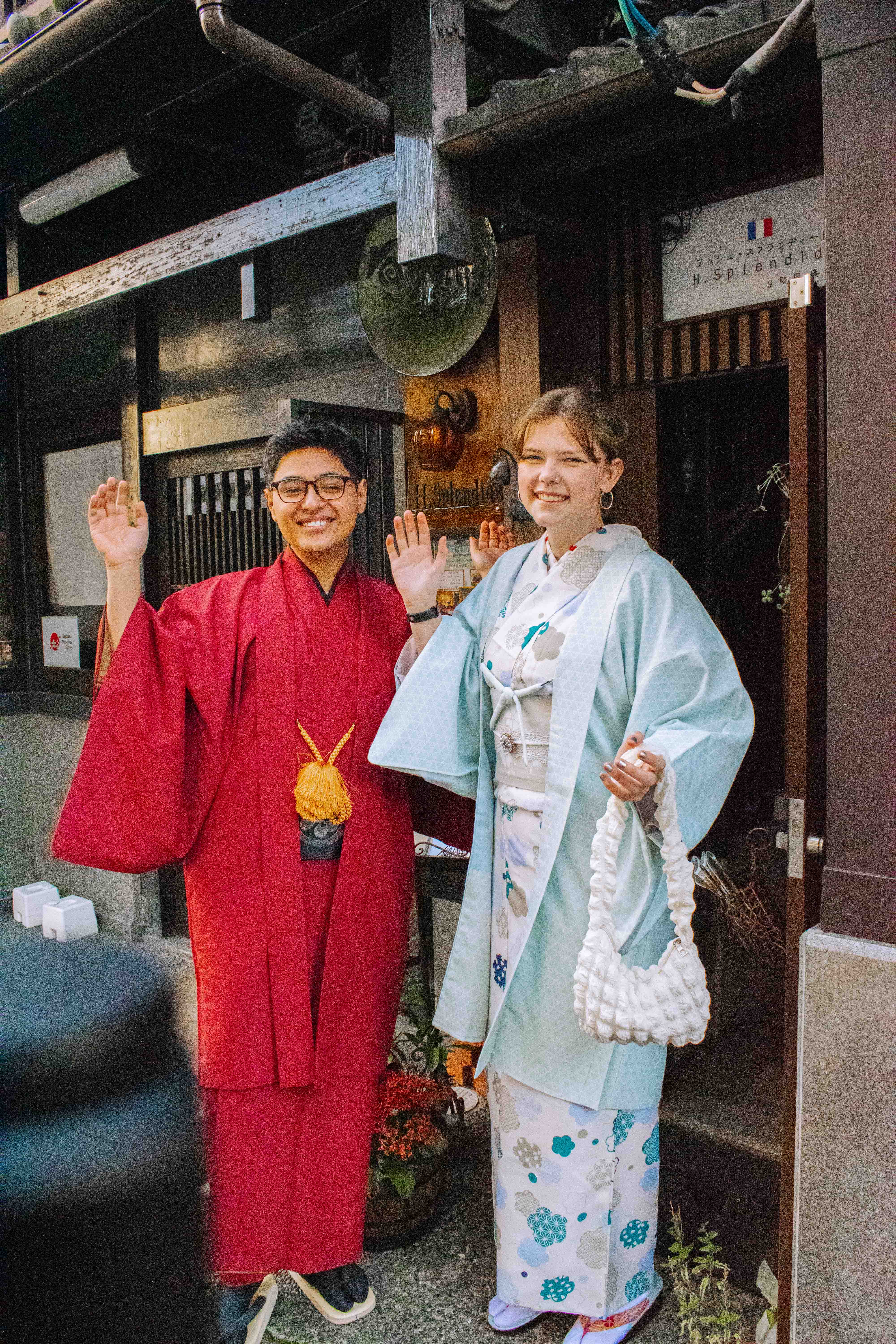
- Bold primary colors: Red, navy, bright yellow make strong statements at festivals
- Black and dark colors: Surprisingly popular for evening wear, creates sophisticated contrast
Lighter colors traditionally dominate because they reflect heat, though modern fashion has expanded acceptable options.
Summer-Appropriate Patterns
Yukata patterns reflect summer themes:
- Goldfish (kingyo): Quintessential summer motif representing cool water
- Fireworks (hanabi): Explosive bursts of color celebrate festival season
- Morning glories (asagao): Flowers that bloom in summer heat
- Waves and water: Flowing patterns suggest refreshing coolness
- Dragonflies (tonbo): Summer insects in artistic arrangements
- Bamboo and leaves: Evergreen patterns appropriate year-round
- Geometric designs: Modern takes on traditional motifs
Modern vs. Traditional Aesthetics
Yukata styles range from classical to contemporary:
- Traditional style: Indigo and white patterns, classic motifs, time-honored designs
- Retro-modern: Vintage-inspired patterns with updated color schemes
- Contemporary fusion: Bold graphics, unconventional colors, artistic prints
- Minimalist: Solid colors or subtle patterns for sophisticated simplicity
Rental shops stock diverse options, allowing you to match personal style while respecting tradition.
Coordination with Obi and Accessories
Complete your summer look thoughtfully:
- Obi color: Contrasting or complementary tones create visual interest
- Obi width: Summer often features narrower, lighter obi than other seasons
- Hair accessories: Flowers, ribbons, or simple pins coordinate with yukata colors
- Bags: Woven or lightweight pouches match casual yukata aesthetic
- Footwear: Geta (wooden clogs) or zori (flat sandals) in coordinating colors
Best Summer Locations for Kimono Experiences
Kyoto's geography offers diverse settings perfect for summer yukata adventures.
Riverside Areas: Natural Cooling
Water proximity provides refreshing relief:
- Kamogawa River: Wide riverbanks perfect for evening strolls; locals gather for picnics and socializing
- Kamo River Delta: Where Kamo and Takano rivers merge, popular relaxation spot
- Pontocho Alley: Traditional entertainment district along the river with noryo-yuka terraces
- Kibune: Mountain village north of Kyoto famous for kawadoko dining platforms over streams
Evening river walks in yukata represent quintessential Kyoto summer experiences, as cool breezes from the water provide natural air conditioning.
Temple Gardens with Summer Features
Certain temples offer special summer beauty:
- Kenninji Temple: Rock gardens and peaceful courtyards stay relatively cool
- Nanzenji Temple: Aqueduct and spacious grounds provide photogenic backdrops
- Shimogamo Shrine: Ancient forest creates natural canopy and cooler microclimate
- Fushimi Inari: Early morning or evening visits to lower shrine areas avoid peak heat
Historic Districts Ideal for Summer
Traditional neighborhoods come alive in summer:
- Gion: Peak atmosphere during festival season with lantern lighting
- Nishiki Market area: Covered arcade provides shade while offering cultural immersion
- Sannen-zaka and Ninen-zaka: Sloped historic streets with shops and teahouses
- Arashiyama: Bamboo grove stays cooler than open areas; river views add to appeal
Modern Summer Attractions
Contemporary Kyoto offers yukata-appropriate activities:
- Shopping districts: Shijo and Kawaramachi areas feature air-conditioned breaks between outdoor walking
- Cafes and restaurants: Many establishments welcome yukata-clad visitors
- Museums: Indoor cultural activities provide heat relief while maintaining cultural engagement
- Kyoto Station area: Modern architecture with cooling systems and observation deck
Renting Summer Kimono: Practical Guide

Summer kimono rental follows slightly different procedures than other seasons.
Yukata vs. Full Kimono Rental
Understand what you're booking:
- Standard yukata package: Cotton yukata, obi, accessories, footwear—typically ¥3,000-¥4,500
- Premium yukata: Designer patterns, higher quality fabrics—¥5,000-¥7,000
- Couple sets: Coordinating yukata for romantic photos—often discounted packages
- Light summer kimono: Rare formal option if needed for special occasions—¥8,000-¥12,000
Most visitors choose standard yukata packages, which provide authentic experiences at accessible prices. Shops maintaining consistent year-round pricing offer particularly good value during summer, as some competitors increase rates during festival season.
Rental Duration Considerations
Summer timing differs from other seasons:
- Evening-focused rentals: Many choose 3 PM-9 PM slots for festival participation
- Full-day options: Start morning, return evening after festivals
- Overnight rental: Some shops allow next-day return for multi-day festival experiences
- Flexible timing: Shops understand that summer activities often run later than daytime sightseeing
What's Included in Summer Rentals
Complete packages typically provide:
- Yukata (main garment)
- Obi (decorative sash) with all necessary ties
- Koshihimo (internal ties for proper fit)
- Obijime or obi-ita (decorative cord or board)
- Geta or zori (traditional footwear)
- Tabi socks (optional in summer, many go without)
- Small handbag or drawstring bag
- Hair accessories
- Professional dressing service
- Hair styling (often included or small additional fee)
Special Summer Services
Enhanced offerings for summer season:
- Festival packages: Shops near Gion may offer special rates or extended hours during Gion Matsuri
- Group discounts: Friends attending festivals together often receive better rates
- Photography services: Summer festivals and evening riverside scenes create magical photo opportunities
- Cooling accessories: Some shops provide or recommend cooling products
- Emergency services: Obi retying or garment adjustments if you get overheated
Hair Styling for Summer Kimono
Traditional hairstyles complete your summer yukata transformation while keeping you cooler.
Popular Summer Hairstyles
Summer favors updo styles that keep hair off the neck:
- Classic chignon: Elegant bun at the crown or nape, decorated with ornaments
- Braided updo: Contemporary braids incorporated into traditional shapes
- Side swept: Asymmetrical styles with hair falling over one shoulder
- Half-up styles: Upper portion styled, lower hair flows freely
- Simple ponytail: Casual option decorated with ribbons or flowers
Hair Accessories for Summer
Decorations match yukata patterns and colors:
- Kanzashi: Traditional hair ornaments, often featuring flowers
- Ribbons and bows: Colorful accents that coordinate with obi
- Hair pins: Simple or decorative depending on overall aesthetic
- Fresh flowers: Occasionally used for special occasions or photos
Men's Summer Hair Styling
Simple approaches work best:
- Clean, neat appearance most important
- Longer hair can be tied back discreetly
- Product keeps hair controlled in humidity
- Traditional topknot style available for those interested
Photography in Summer Kimono
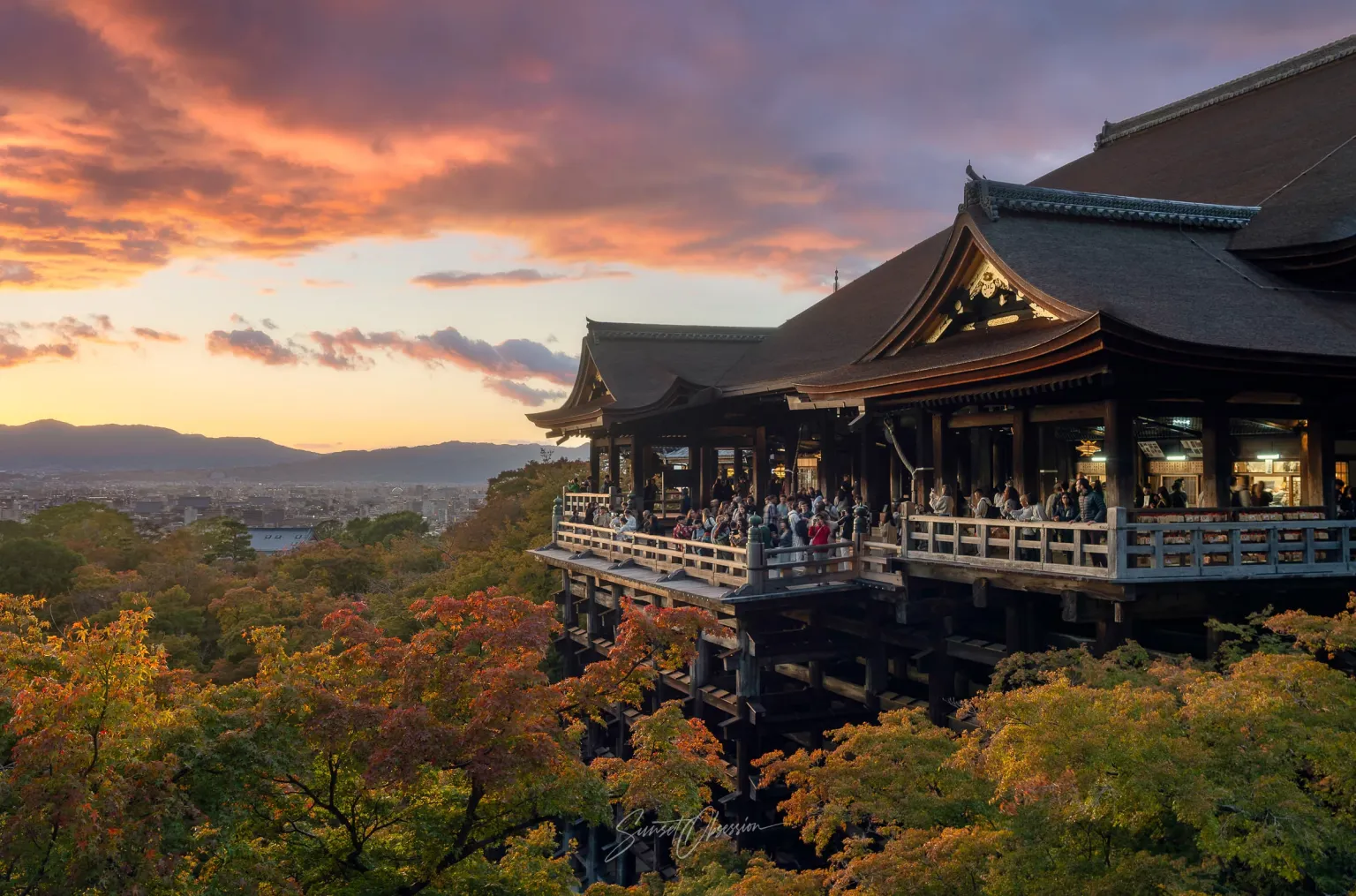
Golden Hour in Summer
Extended daylight changes optimal timing:
- Morning golden hour: 6:00-7:30 AM, soft light before oppressive heat
- Evening golden hour: 6:30-8:00 PM, warm tones as festivals begin
- Blue hour: 8:00-9:00 PM, twilight creates magical lantern-lit festival scenes
- Night photography: Festival illuminations and lanterns provide atmospheric lighting
Summer-Specific Photo Opportunities
Seasonal elements enhance compositions:
- Festival lanterns: Glowing paper lanterns create bokeh effects and warm ambient light
- Fireworks: Challenging but spectacular when captured with yukata in foreground
- River reflections: Evening lights reflect in Kamogawa waters
- Food stalls: Colorful festival foods add cultural context
- Green foliage: Lush summer vegetation contrasts with yukata patterns
- Rain scenes: Umbrellas and rain create atmospheric, uniquely Japanese imagery
Festival Photography Tips
Capturing crowds and celebrations requires strategy:
- Arrive early: Less crowded backgrounds before peak festival hours
- Embrace crowds: Festival atmosphere includes other people; incorporate them naturally
- Wide shots: Capture festival scale and energy
- Detail shots: Close-ups of yukata patterns, accessories, festival decorations
- Candid moments: Natural interactions often outshine posed shots
Professional Summer Photography Services
Hiring photographers during summer offers advantages:
- Knowledge of best festival photography locations and timing
- Professional equipment handles challenging night lighting
- You can participate in festivals without camera management
- Guided posing creates natural-looking festival participation shots
Photography packages starting around ¥10,000 for 30-minute sessions capture professional-quality memories during this special season. Many rental shops offer integrated services, coordinating yukata rental with photography for seamless experiences.
Staying Cool and Comfortable

Strategic planning and smart choices maximize comfort during Kyoto's intense summer.
Before You Dress
Preparation prevents discomfort:
- Shower and cool down: Start with lowered body temperature
- Minimal undergarments: Wear light, moisture-wicking layers
- Apply cooling products: Japanese cooling gels or sprays on neck and wrists
- Hydrate thoroughly: Drink water before heading out
- Sun protection: Apply sunscreen to exposed areas (face, neck, hands)
During Your Yukata Experience
Active management maintains comfort:
- Continuous hydration: Carry water bottle, drink every 15-20 minutes
- Seek shade: Plan routes through covered areas when possible
- Use fans: Traditional uchiwa or modern handheld fans provide personal cooling
- Cooling towels: Wet and wring traditional Japanese cooling towels
- Take breaks: Enter air-conditioned shops or restaurants regularly
- Monitor yourself: Watch for dizziness, excessive fatigue, or other heat stress signs
Japanese Cooling Products
Local stores stock effective summer survival items:
- Cooling sheets: Adhesive patches for forehead or neck
- Cooling spray: Instant evaporative cooling for skin or clothing
- Ice packs: Small frozen packs placed in yukata pockets or along spine
- Electrolyte drinks: Pocari Sweat or Aquarius prevent dehydration
- Salt tablets: Replace minerals lost through sweating
Adjusting Your Plans
Flexibility prevents misery:
- Schedule outdoor activities for early morning or after 5 PM
- Shorten walking routes if feeling overheated
- Choose shaded temple grounds over open parks
- Consider indoor cultural activities during peak heat hours
- Don't feel obligated to wear yukata all day—even locals limit wearing time
Special Considerations for Summer Kimono
Unique aspects of summer kimono culture require understanding.
Bathroom Logistics in Yukata
Yukata's simpler construction makes bathroom use easier than formal kimono:
- Single-layer design simplifies gathering fabric
- Looser fit provides more movement room
- Staff provide specific instructions during dressing
- Western-style toilets much easier to navigate
- Emergency safety pins help with minor adjustments
Yukata and Public Transportation
Traveling in summer kimono requires awareness:
- Subway and trains: Perfectly acceptable; many locals commute in yukata during festival season
- Seating: Sit carefully to avoid wrinkling obi or exposing too much leg
- Rush hour: Avoid if possible, as crowds can dishevel clothing
- Bicycles: Generally not recommended in yukata for safety and garment preservation
- Taxis: Excellent option, drivers accustomed to yukata passengers
Eating and Drinking in Yukata
Festival foods and summer dining require care:
- Small bites: Take modest portions to avoid spills
- Napkins ready: Keep tissues or napkins accessible
- Careful drinking: Hold bottles and cups with both hands for stability
- Stain awareness: Light-colored yukata show spills easily
- Seated dining preferred: Restaurant meals safer than walking while eating
Emergency Adjustments
Minor issues have simple solutions:
- Loose obi: Return to rental shop for retying if nearby, or ask hotel staff for assistance
- Overheating: Remove to air-conditioned space immediately, loosen obi slightly
- Rain: Many shops provide or rent traditional umbrellas; yukata cotton handles light rain well
- Footwear discomfort: Carry band-aids for blisters; some people switch to comfortable shoes temporarily
Men's Summer Kimono Experience

Male yukata offers distinctive style and comfort for summer adventures.
Men's Yukata Characteristics
Masculine styles follow different conventions:
- Colors: Navy, gray, black, brown, indigo dominate
- Patterns: Geometric designs, subtle stripes, small repeated motifs
- Length: Typically shorter than women's yukata, ending mid-calf
- Obi: Narrower sash tied in simple, functional knots
- Overall aesthetic: Subdued, dignified, less decorative than women's styles
Men's Styling and Accessories
Simpler accessories maintain masculine elegance:
- Basic obi in coordinating dark colors
- Minimal hair styling—neat and clean appearance most important
- No hair ornaments (except occasional topknot cord for traditional styles)
- Simple geta or zori in natural wood or dark colors
- Small shoulder bag or no bag at all
Couples in Summer Kimono
Coordinated yukata creates romantic festival experiences:
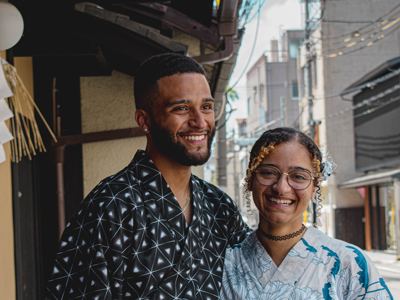
- Rental shops often offer couple packages with complementary colors
- Professional photography highlights coordination
- Walking festivals together in traditional dress creates shared cultural immersion
- Many couples choose yukata dates during summer as casual romantic activity
Choosing the Right Rental Shop for Summer
Summer-specific considerations influence shop selection.
Location Strategy for Festival Season
Shop proximity to summer activities matters:
- Near Gion: Direct access to main festival areas during Gion Matsuri
- Central locations: Shops near Shijo Station provide easy access to multiple summer destinations
- River proximity: Quick walking distance to Kamogawa evening activities
- Transportation access: Well-connected to reach outlying festivals or fireworks
Essential Summer Services
Look for these important features:
- Air-conditioned facilities: Cool environment for dressing prevents overheating before you start
- Multilingual staff: English speakers help with summer-specific advice on staying cool and festival participation
- Extended hours: Some shops offer later returns during festival season
- Hair styling included: Updos keep you cooler in summer heat
- Luggage storage: Secure your belongings during extended evening activities
- Photography services: Integrated packages capture festival magic professionally
Pricing During Peak Summer
Summer pricing varies among shops:
- Some shops increase prices during Gion Matsuri peak days
- Others maintain consistent year-round pricing
- Shops with stable pricing offer better value during high-demand periods
- Photography packages starting around ¥10,000 provide excellent value for festival memories
Unique Service: Delivery Options
Innovative rental services now offer hotel delivery:
- Convenience: Yukata delivered to your accommodation with professional dressing assistance
- Comfort: Dress in air-conditioned privacy rather than walking to shop in heat
- Flexibility: Start your evening activities at your preferred time
- Ideal for families: Children dress more comfortably in familiar surroundings
- End-of-day pickup: Return yukata at your hotel after late-night festivals
This service proves particularly valuable during summer when walking to rental shops in heat can be exhausting before your kimono experience even begins.
Cultural Immersion Beyond Clothing
Yukata opens doors to deeper summer cultural experiences.
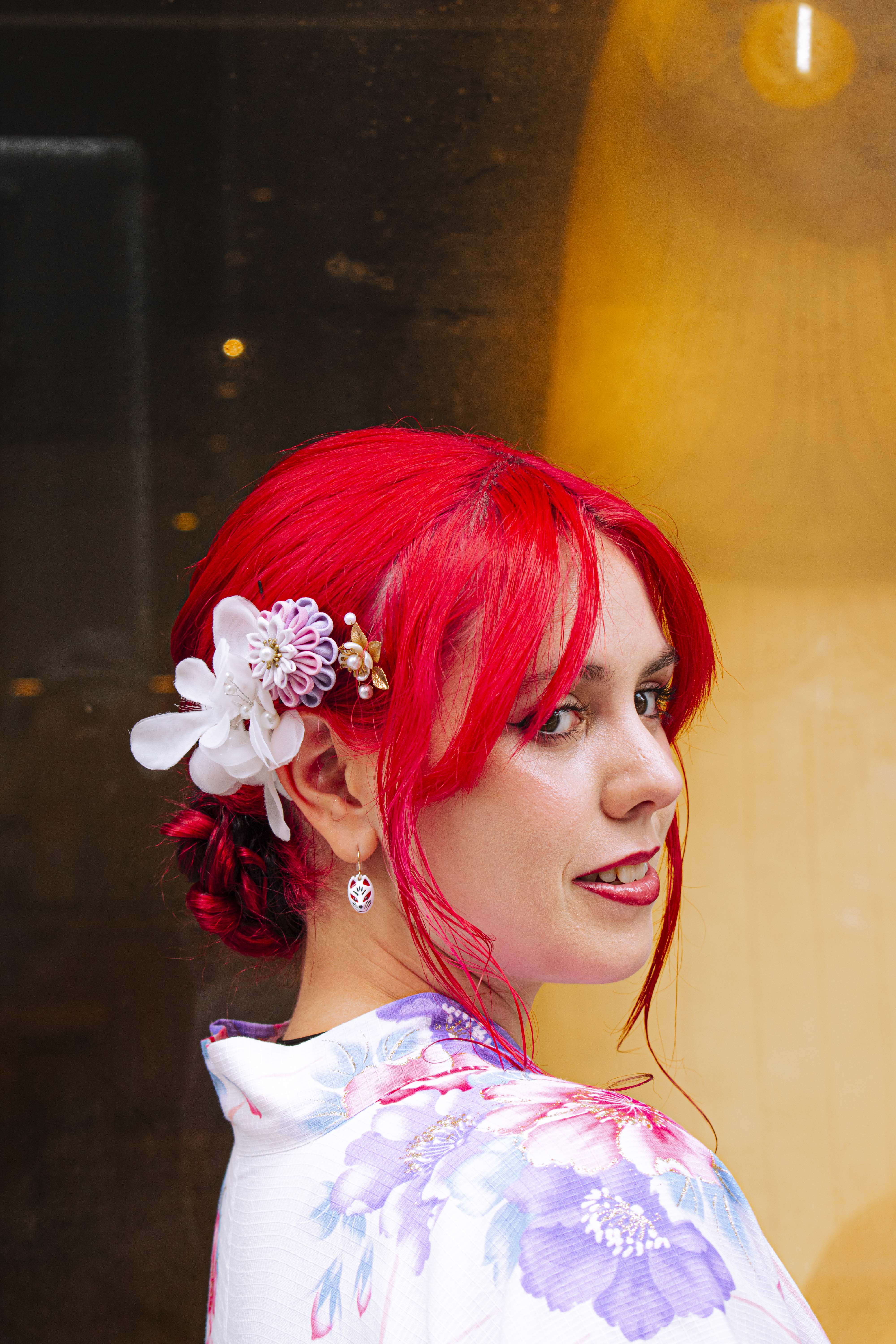
Traditional Summer Activities
Participate in authentic seasonal customs:
- Noryo (cooling off): Traditional practice of seeking cool environments, like riverside dining
- Hanabi viewing: Organized fireworks watching with groups of yukata-clad friends
- Bon odori participation: Learn simple folk dances at neighborhood festivals
- Evening temple visits: Special summer opening hours and illuminations
- Kawadoko dining: Enjoy meals on platforms built over streams in mountain areas
Summer Festival Foods
Traditional festival cuisine enhances the experience:
- Kakigori: Shaved ice with flavored syrups, quintessential summer treat
- Yakitori: Grilled chicken skewers, festival staple
- Takoyaki: Octopus balls, Osaka specialty ubiquitous at Kyoto festivals
- Yakisoba: Fried noodles served in festival settings
- Ramune: Traditional lemon soda with marble seal
- Beer and sake: Adults enjoy chilled alcoholic beverages riverside or at festivals
Engaging with Local Culture
Respectful participation creates meaningful connections:
- Greet locals with simple Japanese phrases
- Show appreciation when locals compliment your yukata
- Participate in festival games and activities
- Support local vendors at festival stalls
- Observe how locals wear and behave in yukata
- Ask questions about customs and traditions
Photography Packages for Summer Memories
Professional photography services capture summer's unique magic.
Benefits of Professional Festival Photography
Experts handle challenging conditions:
- Low-light expertise: Evening festivals require professional equipment and skills
- Crowd navigation: Photographers know how to find clear backgrounds in crowded festivals
- Location knowledge: Guide you to best festival photography spots
- Action shots: Capture candid festival participation naturally
- Technical handling: Manage complex lighting from lanterns, fireworks, and ambient sources
Photography Package Options
Flexible offerings match different needs:
- Quick sessions (30 minutes, ¥10,000): Perfect for capturing festival atmosphere before enjoying activities independently
- Extended coverage (4 hours, ¥25,000): Comprehensive documentation from pre-festival preparations through evening events
- Full-day packages (¥50,000): Complete coverage including daytime riverside scenes and nighttime festival participation
Integrated yukata rental and photography services eliminate coordination stress, ensuring your styling remains perfect throughout the shoot.
Self-Photography Tips
Capturing your own memories effectively:
- Smartphone settings: Use night mode for evening festival shots
- Tripod or selfie stick: Stable shots in dim festival lighting
- Ask locals: Many Japanese people happy to take photos if asked politely
- Multiple angles: Shoot from various perspectives to capture scene variety
- Video clips: Short videos capture festival energy that photos miss
Planning Your Summer Kimono Day
Strategic scheduling maximizes comfort and enjoyment.
Sample Itinerary: Festival Day
Optimal summer yukata experience timing:
- 3:00 PM: Arrive at rental shop or receive hotel delivery, dress in air-conditioned comfort
- 4:00 PM: Begin activities as temperatures start dropping
- 5:30 PM: Early dinner at kawadoko or traditional restaurant
- 7:00 PM: Arrive at festival as lanterns are lit
- 7:30-9:30 PM: Explore festival, enjoy foods, participate in activities
- 9:30 PM: Return yukata or keep until next-day return option
Alternative: Riverside Evening
Relaxed summer experience without festivals:
- 5:00 PM: Dress in yukata
- 5:30 PM: Stroll along Kamogawa as heat subsides
- 6:30 PM: Photography session at scenic riverside locations
- 7:30 PM: Dinner at noryo-yuka terrace restaurant
- 9:00 PM: Continue riverside walk or return yukata
Booking Considerations
Reserve appropriately for summer:
- Festival peak days: Book 2-3 weeks ahead for Gion Matsuri main events
- Regular summer weekends: 5-7 days advance reservation recommended
- Weekdays: Often available with 2-3 days notice
- Photography services: Book separately or as package 1-2 weeks ahead
Conclusion: Embracing Kyoto's Summer Culture
Summer kimono in Kyoto offers one of Japan's most authentic and accessible cultural experiences. While the heat and humidity challenge even locals, the lightweight yukata combines comfort with elegance, allowing you to participate in centuries-old festival traditions while staying surprisingly cool. From vibrant Gion Matsuri celebrations to peaceful riverside evening strolls, wearing traditional summer dress transforms your relationship with Kyoto's seasonal culture.
The key to a successful summer kimono experience lies in smart planning: choosing appropriate timing for activities, selecting comfortable yukata styles that match your aesthetic, and understanding how to stay cool in Kyoto's intense heat. Whether you photograph festivals professionally, join bon odori dances spontaneously, or simply walk riverside paths at sunset, yukata provides the perfect blend of cultural authenticity and practical comfort.
Modern conveniences like hotel delivery services, integrated photography packages, and multilingual support make summer kimono rental accessible for international visitors while maintaining traditional authenticity. Services offering professional photography starting at ¥10,000, comprehensive styling including hair and accessories, and flexible timing accommodating late-night festivals ensure you can focus on experiencing the magic rather than managing logistics.
As you stand among thousands of yukata-clad festival participants, lanterns glowing against the evening sky, you'll understand why summer kimono culture endures in modern Japan. It's not nostalgia for the past but a living tradition that connects people to seasons, community, and aesthetic beauty that transcends time. Your summer in Kyoto, experienced in traditional dress, becomes not just a vacation but a genuine participation in Japanese cultural life—creating memories that capture both the spectacular visual beauty and the deeper feeling of belonging to something ancient and ongoing.
Quick Reference: Summer Kimono Essential Information
| Aspect | Details | Important Notes |
|---|---|---|
| Best Season | Late May through September | Peak July-August for festivals |
| Temperature Range | 28-38°C daytime, 23-30°C evening | Humidity 70-85% |
| Typical Rental Cost | ¥3,000-¥7,000 | Year-round pricing best value |
| Recommended Duration | 3-8 hours, typically evening | Extended hours for festivals |
| Photography Packages | ¥10,000-¥50,000 | 30-minute to full-day options |
| Major Festival | Gion Matsuri (July 1-31) | Book well in advance |
| Best Activity Time | After 5:00 PM | Cooler and more atmospheric |
Summer Kimono Checklist
- Book yukata rental 5-14 days ahead (more during festival peak)
- Request evening-focused rental times (3 PM-9 PM or later)
- Choose cooling color palettes (blues, whites, pastels)
- Select summer-appropriate patterns (goldfish, fireworks, morning glories)
- Request hair styling in updo to keep neck cool
- Bring water bottle for constant hydration
- Purchase Japanese cooling products (sheets, spray, towels)
- Plan festival activities or riverside evening strolls
- Consider professional photography to capture festival magic
- Wear light, moisture-wicking undergarments
- Apply sunscreen to face, neck, and hands
- Schedule indoor breaks in air-conditioned spaces
- Arrive at festivals as they begin (around 7 PM) for best atmosphere
- Embrace the heat as part of authentic summer experience
- Share photos respectfully on social media, tag rental shops
Connect and Learn More: