Kimono Rental Kyoto: Your Complete Guide to Traditional Japanese Dress Experience
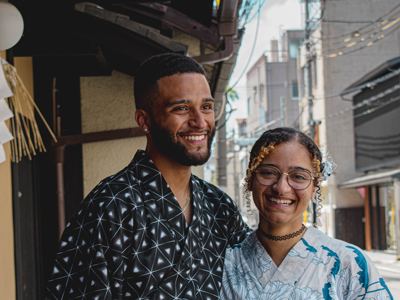
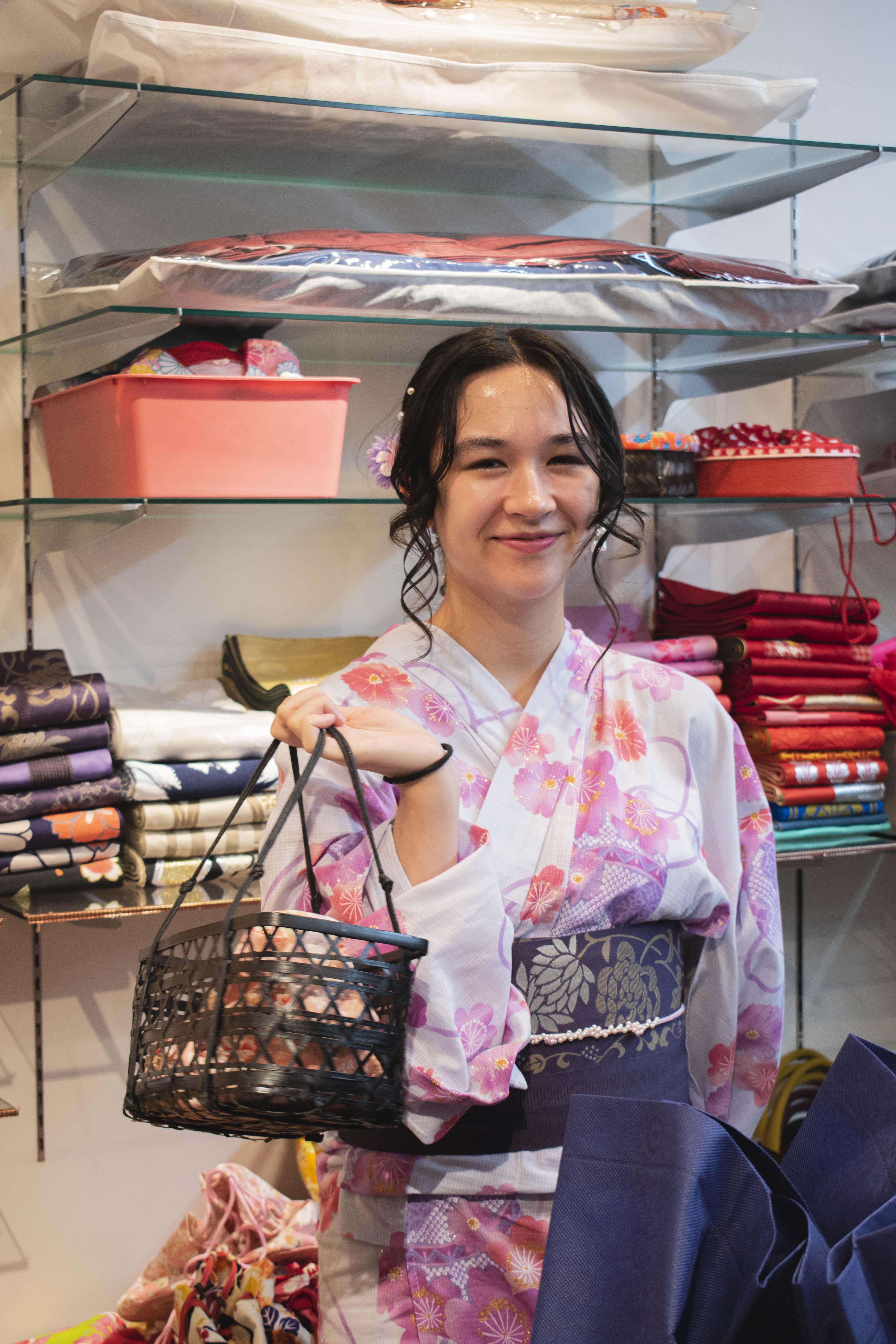
Kimono rental in Kyoto offers one of the most immersive ways to experience Japanese culture. Walking through ancient temples, strolling along historic streets, and posing for photos in traditional attire creates memories that last a lifetime. Whether you're planning your first visit to Japan's cultural capital or returning for another adventure, understanding how kimono rental works ensures you get the most from this unique experience.
Why Rent a Kimono in Kyoto?
Kyoto stands as Japan's cultural heart, where centuries-old traditions blend seamlessly with modern life. The city's preserved historic districts, traditional architecture, and seasonal beauty provide the perfect backdrop for wearing kimono.
Cultural Immersion Through Traditional Dress
Wearing a kimono transforms your Kyoto visit from sightseeing to cultural participation. The experience goes beyond costume rental—it's an opportunity to understand Japanese aesthetics, seasonal awareness, and the careful attention to detail that defines traditional culture. Many visitors find that locals respond differently when they see tourists making the effort to embrace Japanese traditions, often resulting in warmer interactions and unexpected cultural exchanges.
Perfect Photography Opportunities
Kyoto's photogenic locations become even more spectacular when you're dressed in traditional attire. The contrast of vibrant kimono fabrics against ancient temple architecture, bamboo groves, or seasonal landscapes creates stunning photographs that capture both place and experience. Popular photo spots like the Fushimi Inari shrine gates, Arashiyama bamboo forest, and Gion's traditional streets take on new meaning when you're part of the living tradition rather than just observing it.
Seasonal Beauty in Every Visit
Kimono rental in Kyoto offers year-round appeal, with each season providing unique aesthetics:
- Spring: Cherry blossom patterns complement the sakura season
- Summer: Lightweight yukata keeps you cool during festivals
- Autumn: Deep reds and golds harmonize with fall foliage
- Winter: Rich fabrics and layered accessories provide warmth and elegance
Understanding Kimono Rental Services in Kyoto

Kyoto's kimono rental industry has evolved to serve international visitors, offering various service levels and packages to match different needs and budgets.
What's Included in Standard Kimono Rental
Most kimono rental packages in Kyoto include comprehensive services:
- Kimono selection: Choose from hundreds of patterns and colors
- Complete undergarments: All necessary foundational layers
- Obi (decorative sash): Professionally tied in traditional styles
- Footwear: Traditional tabi socks and zori sandals or geta wooden clogs
- Accessories: Bag, hair ornaments, and seasonal additions
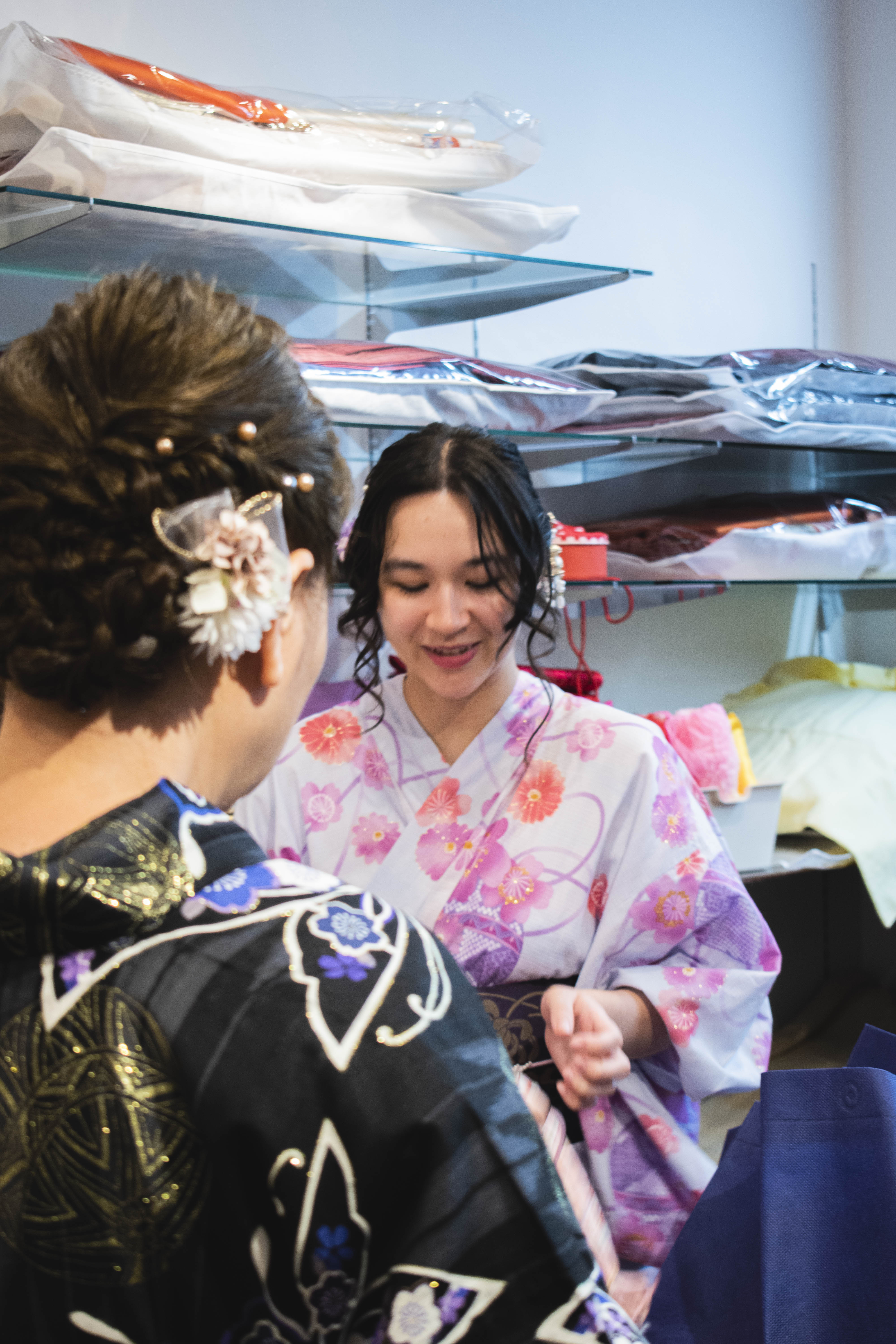
- Professional dressing: Expert staff ensure proper wearing and comfort
Rental Duration and Flexibility
Understanding rental timeframes helps you plan your day effectively:
- Half-day rentals (4-5 hours): Perfect for afternoon temple visits or evening district strolls
- Full-day rentals: Typically 9:00 AM to 5:30 PM, allowing comprehensive exploration
- Extended rentals: Some shops offer overnight options for multi-day experiences
- Next-day return: Convenient for those staying near rental locations
Types of Kimono Available
Rental shops typically offer several categories to match different preferences and occasions:
- Standard kimono: Polyester fabrics, wide variety of patterns, comfortable for walking
- Premium kimono: Silk or silk-blend materials, more elaborate designs, luxurious feel
- Antique/vintage kimono: Historical pieces with unique character and authentic patina
- Formal kimono: Elegant styles for special occasions or professional photography
- Couple sets: Coordinating designs for romantic photos
- Men's kimono: Subtle colors and patterns in traditional masculine styles
- Children's kimono: Adorable options for family experiences
How to Choose the Perfect Kimono Rental Shop
Kyoto has hundreds of kimono rental shops, particularly concentrated around tourist areas. Selecting the right one significantly impacts your experience.
Location Considerations
The shop's location affects your entire day:
- Near major stations: Convenient access but potentially crowded areas
- Historic district locations: Immediate access to photogenic neighborhoods
- Close to accommodation: Easy for morning preparation and evening returns
Shops near Shijo Station offer particular advantages, providing central access to Kyoto's main attractions while being well-connected by public transportation. This location allows you to easily reach Gion, Kiyomizu-dera Temple, and other popular destinations without extensive travel time in traditional footwear.
Service Quality Indicators
Look for these signs of quality service:
- Multilingual support: English-speaking staff ensure clear communication about styles, proper wear, and return procedures
- Professional dressing services: Experienced staff can dress you properly in 15-20 minutes
- Hair styling included: Traditional hairstyles complete your transformation
- Makeup options: Some shops offer full makeup services
- Varied inventory: Large selection accommodates different sizes, styles, and preferences
- Clean, well-maintained garments: Quality shops maintain high hygiene standards
Pricing Transparency
Understanding the full cost prevents surprises:
- Standard rental: ¥3,000-¥5,000 for basic packages
- Premium options: ¥6,000-¥10,000 for silk or special designs
- Hair styling: Often included, sometimes ¥500-¥1,500 extra
- Photography services: Available at some shops starting around ¥10,000
- Seasonal pricing: Some shops maintain consistent pricing year-round, offering better value during peak seasons
Special Services That Enhance Experience
Advanced rental shops offer additional conveniences:
- Luggage storage: Secure your belongings during your rental period
- Photography packages: Professional photographers who understand kimono aesthetics
- Delivery services: Some shops deliver kimono directly to your accommodation, allowing you to dress in comfort and privacy
- Reservation systems: Online booking prevents disappointment during busy periods
- Weather accommodations: Umbrellas, shawls, and weather-appropriate accessories
Step-by-Step: Your Kimono Rental Experience
Before Your Visit: Preparation
Smart planning ensures smooth rental experience:
- Make reservations: Book 2-3 days in advance during regular seasons, 1-2 weeks during peak periods (cherry blossom, autumn foliage)
- Check weather forecast: Prepare for temperature and precipitation
- Wear appropriate undergarments: Light colors, form-fitting layers work best
- Plan your route: Identify destinations accessible with comfortable walking
- Bring identification: Some shops require passport or ID for rental
Arrival and Selection Process
Your rental experience typically unfolds like this:
- Check-in (5-10 minutes): Confirm reservation, complete paperwork, discuss preferences
- Selection (10-20 minutes): Browse kimono options with staff guidance on colors and patterns that suit your style and the season
- Accessory coordination (5 minutes): Choose obi, bags, and ornaments that complement your kimono
- Dressing service (15-20 minutes): Professional staff dress you in proper layers and tie your obi
- Hair styling (10-15 minutes): Traditional updos or simple elegant styles
- Final checks (5 minutes): Staff ensure comfort, explain care instructions, provide return details
During Your Rental Period
Tips for enjoying your kimono experience:
- Walk naturally: Take smaller steps than usual; the kimono's construction encourages graceful movement
- Stay mindful of the obi: Avoid leaning back heavily on benches or walls
- Bathroom considerations: Use Western-style toilets when possible; staff can provide specific instructions
- Adjust as needed: Minor adjustments are normal; staff often provide safety pins for emergencies
- Stay hydrated: Carry a small water bottle, though avoid drinking messily in the kimono
- Rest periodically: Find cafes or rest areas to prevent fatigue
Return Process
Concluding your rental is straightforward:
- Return by specified time (typically 5:00-6:00 PM for same-day rentals)
- No need to fold or arrange the kimono—staff handle all cleaning and storage
- Return accessories with the kimono
- Retrieve stored luggage
- Some shops offer next-day hotel return services for late-night exploration
Best Locations to Visit in Kimono

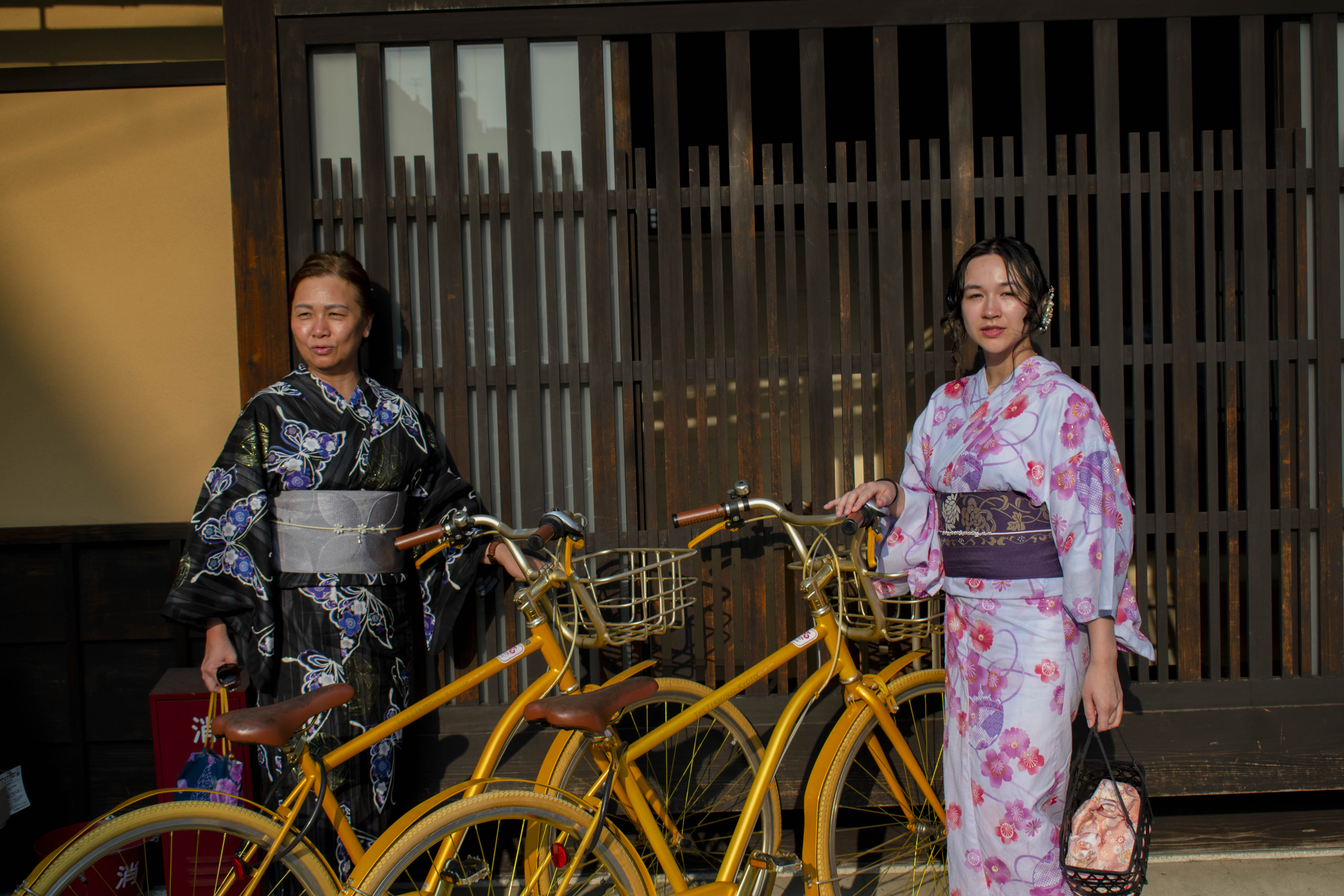
Certain Kyoto locations offer particularly magical experiences when visited in traditional dress.
Historic Districts
These neighborhoods transport you to historical Japan:
- Gion District: Kyoto's most famous geisha district features traditional wooden machiya houses and narrow stone-paved lanes. Evening visits offer chances to spot real geisha or maiko heading to appointments
- Higashiyama District: Preserved streets like Ninenzaka and Sannenzaka lead to Kiyomizu-dera Temple, lined with traditional shops and teahouses
- Pontocho Alley: Narrow atmospheric lane parallel to the Kamo River, especially beautiful at dusk
Temples and Shrines
Sacred sites provide stunning backdrops:
- Kiyomizu-dera Temple: Wooden stage overlooking the city, especially spectacular during cherry blossom and autumn foliage seasons
- Fushimi Inari Shrine: Thousands of vermillion torii gates create ethereal tunnel effects perfect for photography
- Kinkaku-ji (Golden Pavilion): Glittering gold leaf structure reflects beautifully in its mirror pond
- Yasaka Shrine: Central Gion location with vibrant red buildings and seasonal decorations
Natural Beauty Spots
Seasonal landscapes enhance kimono aesthetics:
- Arashiyama Bamboo Grove: Towering green bamboo creates otherworldly atmosphere
- Philosopher's Path: Cherry tree-lined canal path particularly beautiful in spring
- Maruyama Park: Central location perfect for hanami (cherry blossom viewing) or autumn leaf appreciation
- Kamogawa River: Peaceful riverside walks with mountain views
Cultural Experiences in Kimono
Enhance your cultural immersion:
- Traditional tea ceremonies: Many tea houses welcome kimono-clad visitors
- Japanese gardens: Stroll through carefully designed landscapes
- Museum visits: Historical and cultural museums provide context for your attire
- Traditional restaurants: Enjoy kaiseki dining or casual izakaya in period-appropriate dress
Kimono Rental for Special Occasions
Beyond casual sightseeing, kimono rental serves various special purposes in Kyoto.
Wedding and Pre-Wedding Photography
Kyoto's romantic settings attract couples worldwide:
- Formal wedding kimono (shiromuku, uchikake) available at specialized shops
- Professional photography packages combine rental, styling, and photoshoot services
- Popular locations include temple gardens, traditional inns, and historic districts
- Many couples choose kimono for engagement photos or post-wedding celebrations
Festival Participation
Japanese festivals (matsuri) welcome traditionally dressed participants:
- Gion Matsuri (July): Kyoto's most famous festival sees locals and visitors in yukata
- Jidai Matsuri (October): Historical costume parade celebrating Kyoto's heritage
- Hanami season (March-April): Cherry blossom viewing traditionally done in kimono
- Summer fireworks: Yukata is the preferred summer festival attire
Coming-of-Age and Family Celebrations
Foreign residents and long-term visitors sometimes mark special occasions:
- Shichi-Go-San (7-5-3 ceremony) for children
- Coming-of-age celebrations for 20-year-olds
- Family portrait sessions in traditional attire
- Cultural milestone photography
Photography Tips for Kimono Experiences
Capturing beautiful memories requires understanding both kimono aesthetics and photography basics.
Posing in Kimono
Traditional garments influence flattering poses:
- Angle your body: Stand at 30-45 degrees to camera rather than straight-on
- Display the obi: Side angles show the decorative sash's beauty
- Hand placement: Gently hold your bag, touch your hair ornament, or adjust your collar
- Walking shots: Small steps create graceful movement; trailing shots capture kimono flow
- Seated poses: Kneel with legs to one side in traditional seiza-adjacent positions
Lighting Considerations
Kyoto's varied lighting requires adaptation:
- Golden hour magic: Early morning (7:00-9:00 AM) and late afternoon (4:00-6:00 PM) provide warm, soft light
- Shade seeking: Harsh midday sun creates unflattering shadows; find dappled shade or covered areas
- Overcast advantages: Cloudy days offer even lighting perfect for color accuracy
- Night photography: Illuminated temples and lantern-lit streets create atmospheric evening shots
Smartphone Photography Tips
Professional cameras aren't necessary for beautiful results:
- Use portrait mode to blur backgrounds and emphasize the subject
- Enable grid lines for balanced composition
- Take multiple shots from various angles
- Include environmental context to tell the story of your location
- Edit conservatively—enhance colors without oversaturating
When to Hire a Professional Photographer
Professional photography services offer significant advantages:
- You can fully experience moments without camera management
- Professional equipment captures superior quality, especially in challenging lighting
- Photographers know best locations and angles
- Posing guidance ensures flattering, natural-looking images
- Edited photos delivered within days or weeks
Photography packages starting around ¥10,000 for 30-minute sessions provide excellent value for special occasions or once-in-a-lifetime visits.
Practical Considerations for Kimono Rental
Understanding practical details ensures comfortable, enjoyable experiences.
Size and Fit
Kimono sizing differs from Western clothing:
- Most rental kimono fit heights 145-175cm comfortably
- Kimono's wrapping nature accommodates various body types
- Staff adjust length and fit during dressing
- Plus-size options available at many shops, though selection may be more limited
- Very tall individuals should inquire about size availability when booking
Comfort and Mobility
Kimono restricts movement compared to Western clothing:
- Walking: Take shorter strides; the narrow hem limits leg movement
- Stairs: Hold lower kimono slightly to prevent tripping; use handrails
- Sitting: Lower yourself straight down keeping knees together; avoid Western-style leg crossing
- Arms and shoulders: Sleeves add weight and restrict arm raising
- Temperature: Multiple layers can feel warm; choose lightweight options in summer
Weather Adaptations
Kyoto's climate varies significantly by season:
- Summer heat: Choose yukata (lighter cotton kimono) instead of full kimono
- Winter cold: Layer thermal undergarments; request haori jackets or shawls
- Rainy days: Most shops provide rain covers or traditional umbrellas
- Windy conditions: Choose sheltered locations to prevent dishevelment
Bathroom Logistics
Using restrooms in kimono requires technique:
- Western-style toilets much easier than Japanese squat toilets
- Gather all layers together before sitting
- Staff provide instructions during dressing
- Some visitors carry small safety pins for emergencies
- Public facilities at temples and tourist sites generally well-maintained
Cultural Etiquette and Respect
Wearing kimono carries cultural significance beyond fashion.
Proper Kimono Wearing
Basic rules ensure respectful representation:
- Left over right: Always wrap left side over right; right over left is only for burial garments
- Maintain modesty: Keep the collar neat, avoid exposing chest or shoulders
- Careful movement: Avoid poses or actions that dishevel the garment
- Respect the garment: Avoid sitting on dirty surfaces or rough handling
Temple and Shrine Etiquette
Sacred sites require particular respect:
- Follow all posted rules about photography restrictions
- Keep voices low and behavior reverent
- Don't block paths or worship areas for photos
- Remove shoes when entering temple buildings
- Bow appropriately at shrines and temples
Interacting with Locals
Respectful behavior enhances cultural exchange:
- Accept compliments on your kimono graciously
- Ask permission before photographing people, especially geisha or maiko
- Be mindful that Gion is a working neighborhood, not a theme park
- Show appreciation for the cultural tradition you're experiencing
Seasonal Recommendations for Kimono Rental

Each season offers unique opportunities and considerations.
Spring (March-May)
Kyoto's most popular season brings cherry blossoms and mild weather:
- Colors: Soft pinks, pastels, floral patterns complement sakura
- Patterns: Cherry blossoms, butterflies, spring flowers
- Timing: Book well in advance; early morning visits avoid crowds
- Best locations: Philosopher's Path, Maruyama Park, Heian Shrine
- Temperature: Mild days (15-20°C), cool mornings and evenings
Summer (June-August)
Hot, humid conditions favor lighter yukata:
- Choose yukata: Cotton kimono designed for summer comfort
- Colors: Cool blues, whites, indigo patterns
- Patterns: Goldfish, fireworks, waves, morning glories
- Festival season: Perfect for Gion Matsuri and summer events
- Temperature: Very warm (28-35°C); stay hydrated and seek shade
Autumn (September-November)
Fall foliage rivals spring's popularity:
- Colors: Deep reds, burgundy, burnt orange, golden yellow
- Patterns: Maple leaves (momiji), chrysanthemums, ginkgo leaves
- Peak timing: Mid-November for Kyoto; check foliage reports
- Best locations: Tofuku-ji Temple, Eikando Temple, Arashiyama
- Temperature: Comfortable days (15-22°C), cool evenings
Winter (December-February)
Cold weather and smaller crowds create intimate experiences:
- Layering: Request haori jackets, choose lined kimono
- Colors: Rich jewel tones, deep navy, elegant black
- Patterns: Snow scenes, pine and bamboo, New Year motifs
- Fewer tourists: More peaceful temple visits and photo opportunities
- Temperature: Cold (3-10°C); thermal layers underneath recommended
Kimono Rental for Men and Children
Kimono experiences aren't limited to women.
Men's Kimono Options
Traditional masculine styles offer subdued elegance:
- Colors: Navy, gray, black, deep green, brown earth tones
- Patterns: Geometric designs, subtle stripes, small repeating motifs
- Hakama: Traditional wide-legged pants add formality
- Haori: Short jackets complete the formal look
- Accessibility: Most rental shops maintain men's kimono selections
Family Kimono Experiences
Children's kimono creates memorable family photos:
- Adorable designs with cartoon characters or traditional patterns
- Simplified dressing process for children's comfort
- Shorter rental periods accommodate children's attention spans
- Family photo packages available at many shops
- Ages 3-12 typically best suited for rental experiences
Couple Coordination
Matching or complementary kimono for romantic photos:
- Color-coordinated sets create visual harmony
- Staff can suggest complementary patterns
- Popular for engagement photos, anniversaries, honeymoons
- Professional photography packages often include couple guidance
Unique Services: Delivery Rental Options
Innovative rental services now offer unprecedented convenience for travelers seeking flexibility and privacy in their kimono experience.
Hotel Delivery Service
Some Kyoto kimono rental shops have revolutionized the traditional experience by delivering kimono directly to your accommodation:
- Morning delivery: Kimono arrives at your hotel or guesthouse at your preferred time
- Privacy and comfort: Dress in your own space without time pressure
- Professional assistance: Staff arrive to help with dressing, ensuring proper wear
- Flexible timing: Start your day when it suits your schedule
- Convenient return: Kimono collected from your hotel at end of day
Benefits of Delivery Service
This service model offers several advantages:
- Saves time: No need to travel to shop location before starting your day
- Better for families: Dress children in comfortable, familiar environment
- Weather protection: Don't walk to shop in rain or heat before getting dressed
- Personalized attention: One-on-one service without shop crowds
- Photo opportunities: Capture getting-ready moments in your accommodation
Bring Your Own Kimono Packages
For travelers who own kimono or want to use family heirlooms:
- Professional dressing services for your personal kimono
- Hair styling and makeup to complete the look
- Photography packages without rental charges
- Perfect for special occasions or meaningful family garments
Choosing Kimono no Obebe for Your Kyoto Experience
When selecting a kimono rental shop in Kyoto, several factors distinguish exceptional service from standard offerings. Understanding what makes a rental experience truly memorable helps you make informed choices.
Location and Accessibility
Strategic location near Shijo Station provides:
- Easy access to major Kyoto attractions
- Well-connected public transportation hub
- Central position for exploring both historic and modern districts
- Quick reach to Gion, Kiyomizu-dera, and Arashiyama
- Convenient for travelers staying anywhere in central Kyoto
Multilingual Support
English-speaking staff members eliminate communication concerns:
- Clear explanations of kimono styles and seasonal appropriateness
- Detailed instructions on proper wear and care
- Easy coordination for photography services
- Cultural context and recommendations for your itinerary
- Comfortable environment for questions and special requests
Comprehensive Services
Full-service offerings include:
- Professional dressing: Expert staff ensure proper, comfortable wear
- Hair styling: Traditional and modern styles to complement your kimono
- Makeup options: Complete your transformation with appropriate makeup
- Photography services: In-house professional photographers available
- Flexible packages: Options from quick sessions to full-day experiences
Year-Round Value Pricing
Consistent pricing structure offers advantages:
- No premium charges during peak cherry blossom or autumn seasons
- Transparent pricing without hidden fees
- Excellent value compared to seasonal price fluctuations at other shops
- Budget-friendly options for extended rental periods
- Photography packages starting at accessible ¥10,000 rates
Innovative Delivery Service
As one of few Kyoto shops offering hotel delivery:
- Unique convenience unavailable at most traditional rental shops
- Perfect for families, elderly travelers, or those prioritizing comfort
- Flexibility to start your experience without rushing to a shop location
- Professional dressing service comes to you
- Hassle-free return pickup from your accommodation
Complete Photography Integration
Coordinated rental and photography services provide:
- 30-minute sessions (¥10,000): Quick professional photos near the shop
- 4-hour packages (¥25,000): Extended shoot at multiple locations
- Full-day coverage (¥50,000): Comprehensive photography experience
- Photographers experienced with kimono aesthetics
- No need to coordinate separately with multiple vendors
- Guaranteed kimono maintenance throughout the shoot
Booking Your Kimono Rental Experience
Securing your reservation ensures availability and allows for customization.
How to Make a Reservation
Multiple booking methods accommodate different preferences:
- Online booking: Many shops offer website reservation systems
- Email contact: Detailed inquiries about special requests
- Phone reservations: Direct communication for complex needs
- Instagram direct messages: Some shops accept bookings via social media
- Walk-in availability: Possible during off-peak seasons, but risky during busy periods
Booking Timeline
Advance reservations recommended:
- Peak seasons (cherry blossom, autumn foliage): 2-4 weeks ahead
- Regular seasons: 3-7 days ahead
- Photography packages: Book 1-2 weeks advance to secure preferred photographers
- Large groups: Contact as early as possible for coordinated availability
What to Specify When Booking
Provide clear information for best service:
- Preferred date and approximate arrival time
- Number of people (specify adults, children, genders)
- Desired rental duration
- Interest in photography services
- Special size requirements (very tall, petite, plus-size)
- Color preferences or occasion (casual touring, special event)
- Any physical limitations or mobility concerns
Cancellation and Rescheduling Policies
Understanding policies prevents complications:
- Most shops require 24-48 hours notice for cancellation
- Weather-related changes often accommodated with flexibility
- Deposits may be required during peak seasons
- Travel insurance should cover pre-paid services if trip cancellation necessary
Making the Most of Your Kimono Experience
Maximizing your kimono rental goes beyond simply wearing traditional clothing.
Mindful Cultural Engagement
Approach the experience with genuine interest:
- Learn basic information about kimono history and significance
- Ask staff about your kimono's pattern meanings
- Understand seasonal appropriateness of designs
- Appreciate the craftsmanship in kimono construction
- Share your experience respectfully on social media
Creating Lasting Memories
Beyond photographs, engage all senses:
- Notice how the fabric feels and how it changes your posture
- Experience moving differently through space
- Observe how others respond to you in traditional dress
- Visit a traditional tea house or restaurant
- Participate in a cultural activity (tea ceremony, calligraphy) while in kimono
Sharing Your Experience
Document and share thoughtfully:
- Tag your rental shop in social media posts
- Leave honest reviews to help future travelers
- Share tips and recommendations from your experience
- Credit photographers and services appropriately
- Respect others' privacy in shared photographs
Frequently Asked Questions About Kimono Rental
Common questions addressed to ease planning concerns:
Is kimono rental suitable for plus-size visitors?
Most shops accommodate various body types as kimono's wrapping nature provides flexibility. However, very large sizes may have limited pattern selection. Contact shops directly about size availability when booking.
Can I rent kimono if I'm traveling alone?
Absolutely! Solo travelers frequently rent kimono. Staff assist with dressing, and many visitors enjoy the meditative experience of exploring Kyoto alone in traditional attire.
What happens if it rains during my rental period?
Most shops provide rain covers or umbrellas. Some locations are accessible via covered walkways. Consider rescheduling for better photos, or embrace rainy-day atmosphere for unique images.
Do I need to bring anything for kimono rental?
Shops provide everything necessary. Bring comfortable shoes for traveling to/from the shop, appropriate undergarments (light colors, form-fitting), and identification if required.
Can men rent kimono or is it only for women?
Men's kimono is widely available at rental shops. Traditional masculine styles offer elegant, distinguished appearance perfect for cultural exploration.
Is professional photography worth the extra cost?
For special occasions, once-in-a-lifetime visits, or if you want to fully experience moments without camera management, professional photography provides excellent value. Casual visitors often find smartphone photos sufficient.
How physically demanding is wearing kimono for several hours?
Kimono restricts movement and multiple layers can feel warm. However, most people adapt quickly. Take breaks, stay hydrated, and communicate with staff if adjustments needed.
Conclusion: Embracing Japanese Culture Through Kimono
Kimono rental in Kyoto offers more than a costume experience—it provides a gateway to understanding Japanese aesthetics, seasonal awareness, and cultural traditions that have evolved over centuries. Whether you spend a few hours exploring Gion's historic streets or invest in a full-day photography experience, wearing traditional dress transforms your relationship with Kyoto's landscape and culture.
The key to a successful kimono rental experience lies in thoughtful preparation: choosing a shop that aligns with your needs, selecting appropriate styles for the season and your plans, and approaching the experience with cultural respect and genuine curiosity. Services like comprehensive styling, multilingual support, flexible photography packages, and innovative delivery options enhance convenience without diminishing authenticity.
As you walk through bamboo groves, pose before temple gates, or simply sit in a traditional garden watching maple leaves drift past, you'll discover that kimono rental is less about the destination photos and more about the journey itself—the way fabric restricts and guides your movement, how strangers respond to your cultural participation, and the brief but meaningful connection you establish with Japanese tradition.
Your kimono experience in Kyoto will become a cherished memory, captured not just in photographs but in the sensory details: the weight of silk, the rustle of fabric with each step, the appreciation in a shopkeeper's eyes, and the profound satisfaction of participating—even briefly—in a living cultural tradition. This is the true gift of kimono rental in Japan's ancient capital.
Quick Comparison: Kimono Rental Options
| Service Type | Best For | Approximate Cost | Key Features |
|---|---|---|---|
| Standard Rental | Budget travelers, casual experience | ¥3,000-¥5,000 | Basic kimono, dressing service, accessories |
| Premium Rental | Special occasions, quality seekers | ¥6,000-¥10,000 | Silk fabrics, elaborate designs, enhanced styling |
| With Photography | Professional memories, first-time visitors | ¥15,000-¥30,000 | Rental + 1-2 hour photo session |
| Full-Day Package | Comprehensive experience, celebrations | ¥50,000+ | Extended rental, professional photography, multiple locations |
| Hotel Delivery | Families, convenience seekers, privacy | Standard rental + delivery fee | Dressing service at accommodation, flexible timing |
Essential Checklist: Preparing for Your Kimono Rental
- Research and book rental shop 3-7 days in advance (2-4 weeks for peak seasons)
- Check weather forecast and seasonal conditions
- Plan your route considering walking distances in traditional footwear
- Wear appropriate undergarments (light colors, form-fitting layers)
- Bring comfortable shoes for travel to/from shop
- Charge phone and camera fully
- Review basic cultural etiquette for temples and shrines
- Consider booking photography services for professional memories
- Identify must-visit locations along your planned route
- Arrive at rental shop with time flexibility for selection and dressing
- Communicate any special requests or concerns when booking
- Prepare to embrace the experience with openness and cultural respect
Explore More: