You Want the Real Thing. Not the Tourist Version.
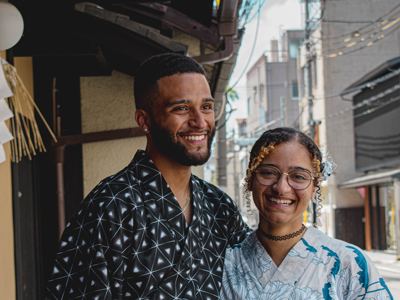
There is a version of kimono rental in Kyoto that is technically correct but culturally hollow. You put on a garment, take some photos, hand it back. Nobody explains what the different elements are, why the obi is tied the way it is, what the pattern on the fabric means, or what the relationship between the outfit and the neighborhood you are walking through actually is.
You come away with photos. You do not come away with understanding.
For a lot of travelers, that is fine. They wanted an experience and they got one.
But for the traveler who has done some reading before arriving in Kyoto — who knows roughly what a furisode is, who is aware that Gion has a specific history tied to traditional arts and geisha culture, who wants the kimono experience to mean something rather than just look good in photos — the hollow version is not what they came for.
This post is for that traveler. By the end, you will have a clear understanding of what makes a kimono experience genuinely authentic, what the cultural context of the garment and the neighborhood actually is, what Kimono no Obebe near Shijo Karasuma offers that goes beyond basic rental, and how the experience changes by season in ways that connect to real Japanese cultural traditions. Not an academic lecture. Just the context that makes the experience make sense.
What Authenticity Actually Means for Kimono Rental
The word gets used loosely, so let's be specific about what it means in practice.
An authentic kimono experience has three components that the hollow version usually skips. First, the garment is properly fitted and tied — not approximated. The obi is in the correct style for the formality of the kimono. The collar sits at the right position. The ohashori (the folded tuck at the waist) adjusts the length properly for the wearer's height. The accessories are coordinated rather than just bundled together. This sounds technical, but the difference is immediately visible — a correctly dressed kimono has a specific visual integrity that an approximated one does not.
Second, the dressing process itself is handled with knowledge rather than speed. The person dressing you understands what each element is and why it goes where it goes. If you have questions — what is this cord called? what does this pattern symbolize? what is the difference between this obi style and the other one? — you can actually ask and get real answers. At Kimono no Obebe, the English-speaking staff can have that conversation with you.
Third, the context matches the garment. Wearing a properly dressed kimono in Kyoto's Gion district — which is still a functioning traditional arts district, where geiko and maiko train and work, where the architecture has been maintained to reflect the Edo period, where the street plan itself has barely changed in centuries — is a fundamentally different experience from wearing the same outfit in a shopping mall or a hotel lobby. The neighborhood is part of the authenticity. That is why location matters as much as it does.
The Cultural Context: What Kimono Actually Represents
Understanding a few things about what you are wearing changes the experience of wearing it.
The kimono was the everyday garment of Japan for most of its documented history. What we now call kimono — the T-shaped robe with straight seams and rectangular panels — became the dominant form of Japanese dress during the Heian period (794 to 1185 CE) and remained central to Japanese fashion until the Meiji Restoration in the 1860s brought Western clothing into mainstream adoption. The transition was not instant. Kimono remained common for formal occasions, festivals, ceremonies, and traditional arts throughout the 20th century, and they remain so today.
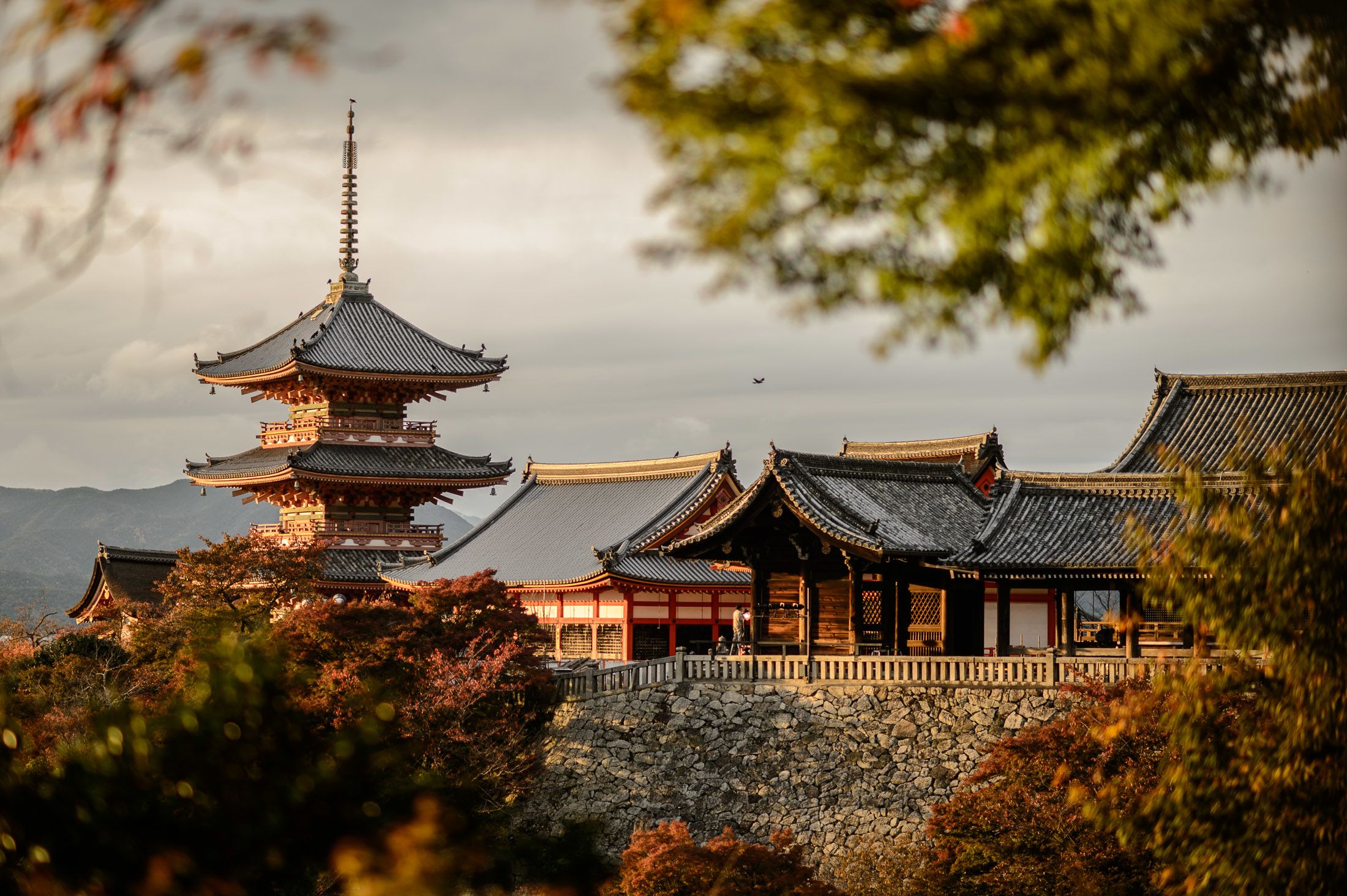
What you are wearing when you rent a kimono in Kyoto is not a costume. It is a garment with over a thousand years of continuous use in Japanese culture, worn in a city where that culture has been more deliberately preserved than almost anywhere else in the country. Kyoto was the imperial capital for over a millennium. The Gion district where you will walk in your kimono has been associated with traditional performance arts — kabuki, tea ceremony, flower arranging — since the 17th century. The streets you walk through were designed for pedestrian movement in kimono and wooden sandals, not for cars.
None of this requires you to have a degree in Japanese history to appreciate. It just requires knowing it. And knowing it changes how the walk through Hanamikoji feels.
The Neighborhood as Part of the Experience
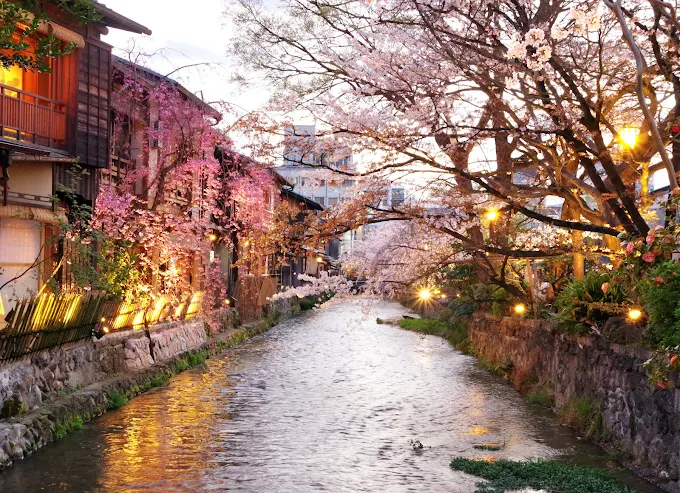
Gion is not just a photogenic backdrop. It is a functioning traditional district — and this distinction is worth understanding before you walk through it.
The tea houses (ochaya) on Hanamikoji and in the Gion Kobu and Gion Higashi sub-districts are genuine working establishments where geiko and maiko entertain private clients in the traditional manner. You will not be admitted to one as a tourist — these are private, invitation-based, and maintained at significant expense precisely to preserve their traditional character. But the women you may see moving quickly between establishments in the evening — fully dressed in kimono, moving with deliberate speed to avoid tourist cameras — are not performers or models. They are professionals, in the middle of their working day.
Understanding this shifts how you experience the neighborhood. You are not visiting a theme park. You are walking through a living district that has maintained its traditional character through deliberate effort and community commitment over centuries. Being dressed in a proper kimono in that context is not appropriation — it is participation. Wearing the garment with knowledge of what it is and where you are wearing it is exactly the kind of engagement that the district's cultural continuity is built on.
The Shirakawa Canal area, just north of Hanamikoji, is the quieter and more intimate side of Gion. Old willow trees line the canal. Traditional stone bridges cross it. Quiet restaurants and small tea houses sit along the bank. This part of the district is where the cultural character of Gion is most legible to visitors — and where a properly dressed kimono in good light looks most fully at home.
A Fictional Example: What Depth Adds to the Experience
Imagine two visitors arriving in Kyoto on the same day, staying in the same hotel near Shijo. They both rent kimonos from Kimono no Obebe and spend the morning in Gion. One of them read about Gion beforehand — knows roughly that it is a surviving geisha district, knows that the architecture on Hanamikoji is deliberately maintained, knows something about what the seasonal patterns on kimono fabric typically represent. The other arrived with no particular background knowledge. They take the same walk. They take many of the same photos. But the first visitor experiences the neighborhood as a place with a history they are temporarily participating in. The second experiences it as a beautiful backdrop. Neither is wrong. But they are having meaningfully different trips.
(This is a fictional example — not a real account — but it captures a genuine difference in how background knowledge changes the experience of a place.)
Kimono Fabric Patterns and What They Mean
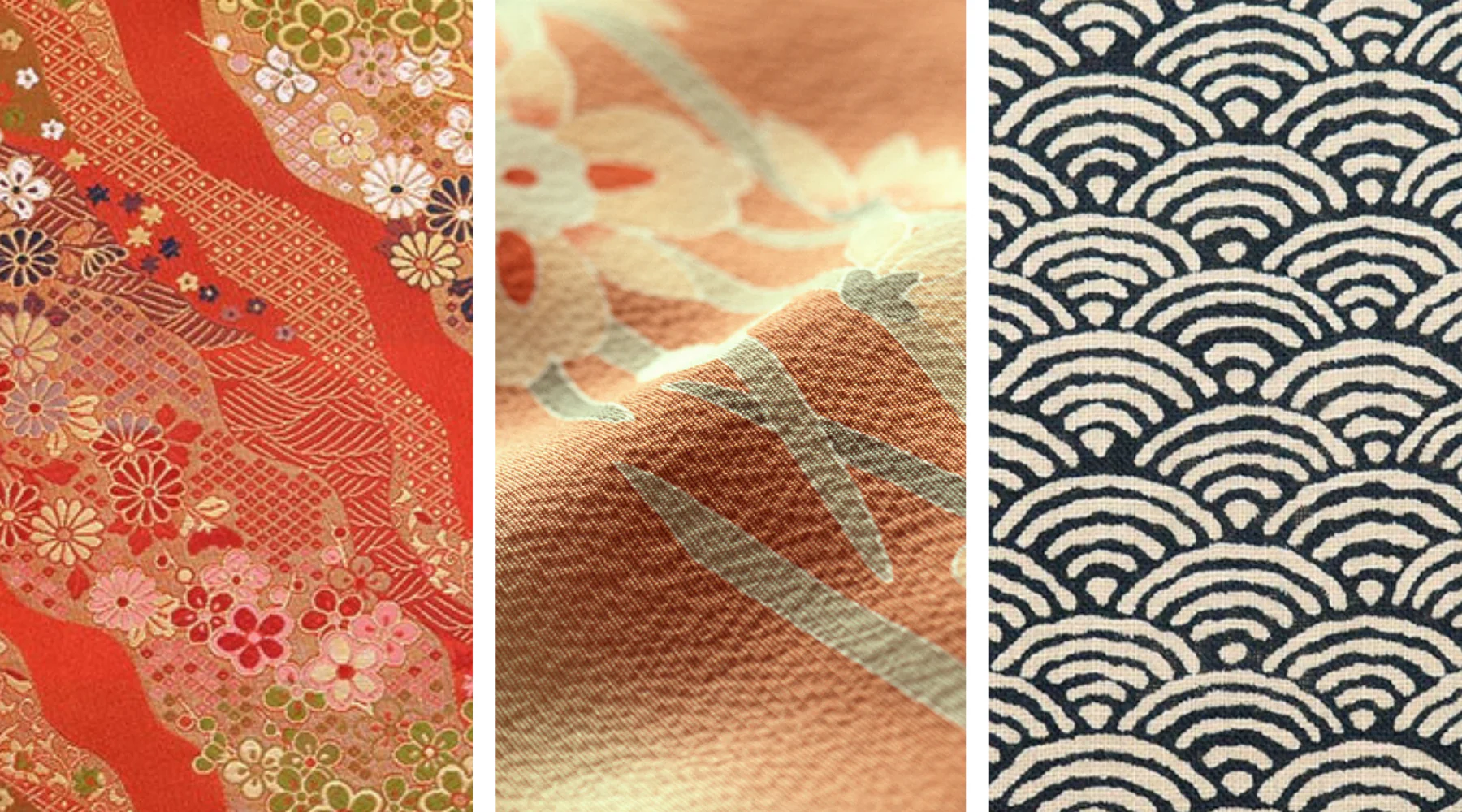
The pattern on a kimono is not decorative in the way a print on a Western garment is. Traditional kimono patterns carry seasonal, cultural, and symbolic meaning that connects the garment to the time of year it is worn and the occasion it is worn for.
A few common patterns and their meanings, since knowing them changes how you look at the garments available to you when choosing.
Crane (tsuru). One of the most common and recognized patterns. Cranes symbolize longevity, fidelity, and good fortune in Japanese tradition. They appear on formal garments across all seasons but are particularly associated with celebrations and auspicious occasions. A kimono with cranes is not just beautiful — it carries a wish embedded in the fabric.
Cherry blossom (sakura). Technically a spring pattern, strictly speaking. Wearing sakura-patterned kimono during cherry blossom season has a specific resonance — the garment and the world around it are in conversation. The Japanese concept of mono no aware — the bittersweet awareness of impermanence — is closely tied to sakura, which bloom intensely for a brief window and then fall.
Maple leaves (momiji). The autumn equivalent of sakura. Maple leaf patterns on kimono are particularly associated with autumn visits and have been depicted in Japanese art since the Heian period. Wearing a momiji-patterned kimono during autumn foliage season in Gion creates a visual dialogue between the garment and the environment that is specific to the season.
Pine, bamboo, plum (sho-chiku-bai). A grouping that appears on formal garments and is associated with New Year celebrations. The three plants are chosen because they remain strong through winter — pine holds its color, bamboo bends without breaking, plum blooms in the cold. Together they symbolize resilience, integrity, and renewal.
When you choose a kimono at Kimono no Obebe, the English-speaking staff can tell you what the patterns on the garments mean — which ones are seasonally appropriate for your visit and which carry specific cultural resonance. That conversation is available if you want it. Most guests do not ask. But it changes the experience when you do.
Cultural Etiquette Worth Knowing Before You Go
A few simple things that demonstrate respect for the neighborhood and for the garment — not an exhaustive rulebook, just the basics that matter.
Do not photograph working geiko and maiko without permission. This is a genuine issue in Gion, significant enough that the Gion district introduced ordinances around it. If you see someone in professional kimono moving quickly through the streets, they are working. Pointing a camera at them is the equivalent of photographing a professional in their workplace without asking. Do not do it.
Stay on public streets and paths. Some of Gion's narrow alleys are residential. The traditional-looking lanes that look photogenic are sometimes people's homes and workplaces. Wandering onto private property for a better shot is not appropriate, regardless of how photogenic it looks.
Walk, do not rush. Kimono were not designed for speed. The garment is part of a slower pace of movement, and moving through Gion quickly in a kimono looks wrong in a way that is hard to describe but immediately visible. Slow down. The neighborhood is designed to be experienced at walking pace.
Eat carefully. Kimono fabric marks easily. If you are stopping for food — and you should, because Kyoto's Gion area has excellent places to eat — be careful with anything saucy or particularly messy. Matcha, mochi, tofu-based dishes, and most Japanese sweets are all fine. Ramen at full pace in a furisode is a calculated risk.
Each Season Connects to a Different Cultural Tradition
One of the most interesting things about the kimono experience in Kyoto is how closely the garment is tied to the seasonal calendar of Japanese culture. Each season brings a different cultural context to the experience.
Spring (March-May) is hanami season — the tradition of gathering under flowering cherry trees to appreciate the blossoms. Hanami is not a tourist activity. It is one of Japan's most deeply embedded cultural practices, documented in court poetry going back to the 8th century. Wearing a kimono during sakura season places you within this tradition — participating in a practice that the people around you have been doing, in various forms, for over twelve centuries.
Summer (June-August) brings the Gion Matsuri — one of Japan's oldest and most significant festivals, dating to the 9th century when it was established as a ritual to appease the gods during an epidemic. The festival runs throughout July, with the main procession of decorated yamaboko floats on July 17th and 24th. Wearing yukata — the lighter summer kimono — during Gion Matsuri is not a tourist activity. It is the traditional dress for the festival. You are dressed the way people in this neighborhood have dressed for this festival for over a thousand years.
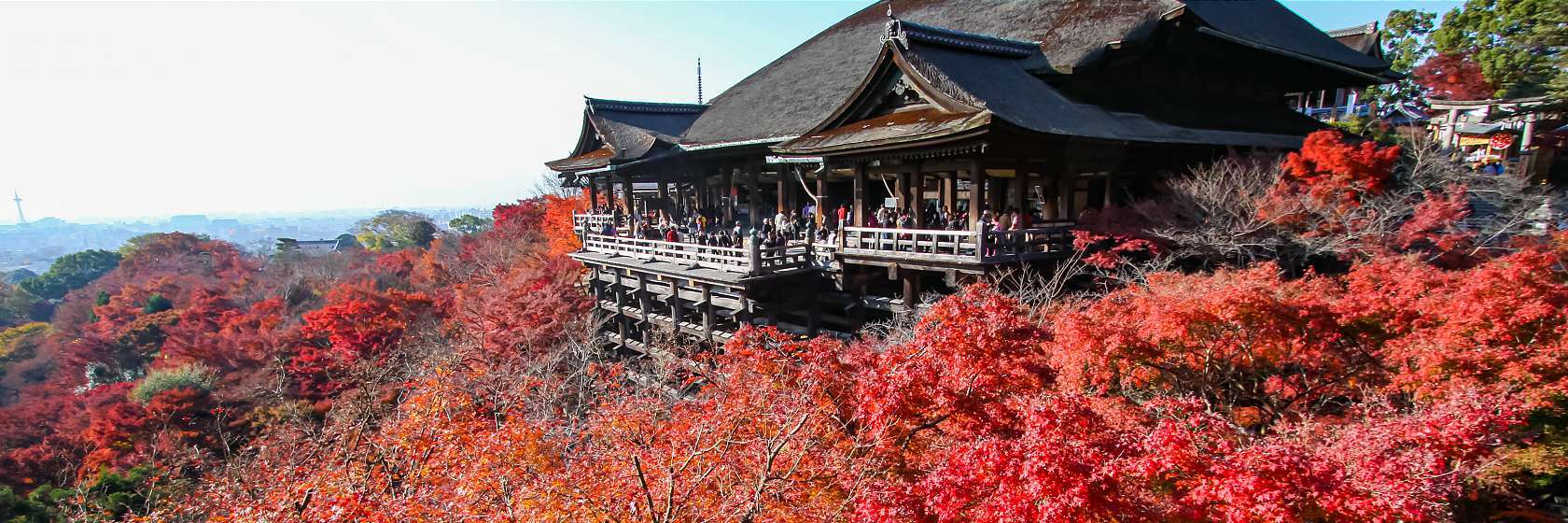
Autumn (October-November) connects to the momijigari tradition — viewing autumn maple leaves with the same deliberate appreciation that hanami brings to spring blossoms. The Japanese practice of engaging seasonally with the natural world — finding meaning and beauty in the ephemeral — runs through both traditions. Wearing a deep-colored kimono during autumn foliage season in Gion, walking the Shirakawa Canal under red and gold maple trees, is a participation in this tradition rather than an observation of it.
Winter (December-February) brings the New Year period and Hatsumode — the first shrine visit of the year. Wearing kimono for Hatsumode at Yasaka Shrine, one of Gion's central shrines, is a traditional practice. Visiting Yasaka on January 1st or 2nd in a kimono is participating in the same ritual that people in this neighborhood have performed for generations.
Kimono no Obebe keeps pricing flat across all seasons — no sakura surcharge in April, no autumn premium in November. Plans start from 1,900 yen and go up to 15,000 yen for the furisode. Full details on the plans page here. Professional photography sessions are available from 10,000 yen — see the guest gallery here for results across seasons and garment types.
Booking and What to Expect
For questions about specific garments, patterns, seasonal availability, or cultural context, reach the team through the contact page here. The English-speaking staff are available to have the kind of conversation this post has outlined — what a pattern means, what the etiquette is, what the difference is between the garment options available.
Follow @kyoto_kimonorental_noobebe on Instagram for guest photos and a real sense of the experience across seasons. The about page here has more background on the shop and what it is built around.
Kyoto rewards visitors who arrive with some preparation. The kimono experience, done with knowledge of what you are wearing and where you are wearing it, is one of the most specific and genuine things you can do in Japan. That is what this post is trying to give you access to — not just a booking, but a reason to care about what happens when you put the garment on.