An Ordinary Morning, Suddenly Halted
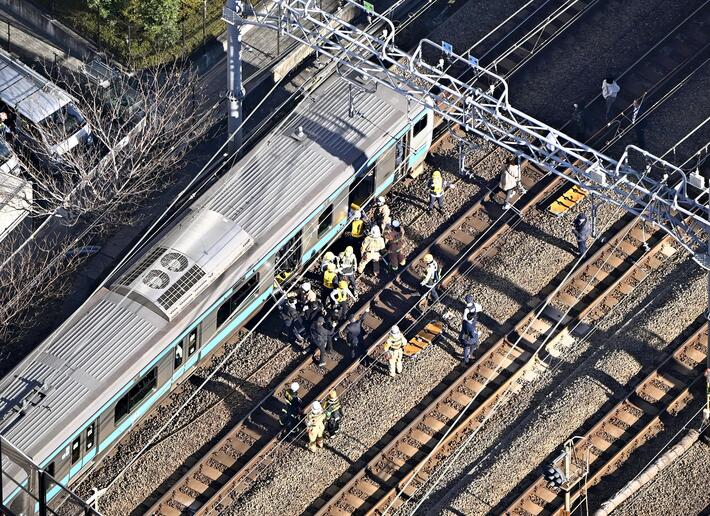
On the morning of January 16th, a major Yamanote Line service suspension caught thousands of Tokyo commuters completely off guard. Many people heading to stations for their daily commute to work or school stopped in their tracks at an unexpected sight. Displayed in front of the ticket gates were the words "Service Suspended." The Yamanote Line and Keihin-Tohoku Line had not been running since the first train of the day, creating widespread chaos across the metropolitan area.
The Yamanote Line and Keihin-Tohoku Line are like the very essence of daily life, supporting transportation throughout Tokyo. These two railway lines carry millions of passengers every single day, connecting major hubs like Tokyo Station, Shibuya, Shinjuku, Ikebukuro, and Ueno. Having both lines stop simultaneously is an extremely rare occurrence, and the station premises were filled with confusion and tension from early in the morning. Commuters who rely on these essential lines for their daily transportation found themselves stranded, desperately searching for alternative routes to reach their destinations.
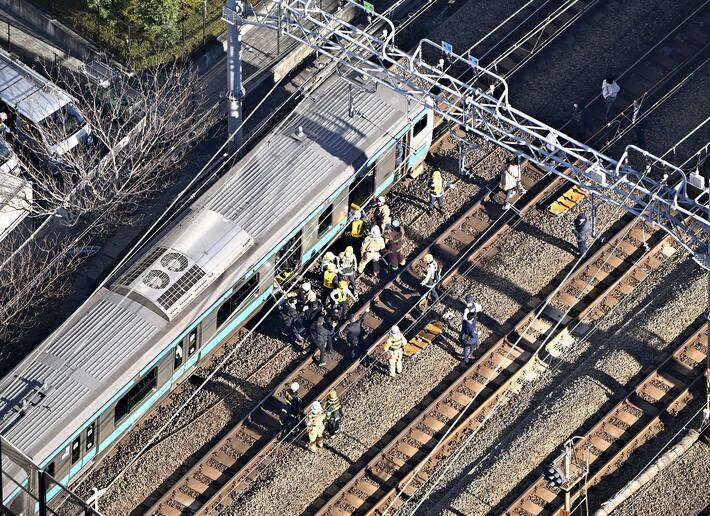
source - https://www.yomiuri.co.jp/national/20260116-GYT1T00168/
At the morning station, many people stopped in their tracks due to the sudden service suspension
The Cause: A Power Trouble Near Tamachi Station
According to JR East's official announcement, the trouble originated at a substation facility located near Tamachi Station. Shortly before 4:00 AM, when railway operators attempted to send power to the overhead lines in preparation for the first train operations of the day, they discovered they were unable to successfully transmit electricity through the system.
The substation facility near Tamachi plays a critical role in the railway infrastructure. It is responsible for converting and distributing electrical power to the overhead catenary wires that power the trains. Without this essential equipment functioning properly, trains simply cannot operate safely. Stable and consistent power supply is absolutely essential for running trains safely. Electric trains depend entirely on the power supplied through the overhead wires, and any interruption or instability in this supply can create dangerous conditions for both passengers and railway staff. Therefore, at this critical juncture, the decision was made to suspend operations on both lines system-wide from the very first train of the day.
Service Resumed Briefly, Then Stopped Again
After the initial suspension, restoration work progressed steadily throughout the morning. Technicians and engineers worked tirelessly to identify and address the electrical issues affecting the system. Around 7:20 AM, their efforts appeared to bear fruit when only the Keihin-Tohoku Line temporarily resumed operations. Many passengers who had been waiting anxiously at stations must have felt some relief at this encouraging news.
However, that sense of relief was tragically short-lived. Around 8:00 AM, when technicians attempted to restore power to the Yamanote Line as well, a new and alarming development occurred. Smoke was observed emanating from electrical equipment near Tamachi Station, creating immediate and serious safety concerns that required urgent attention.

Smoke was observed from electrical equipment near Tamachi Station, and safety confirmation was prioritized
The sight of smoke coming from electrical infrastructure is always cause for serious concern. It can indicate overheating, electrical shorts, or even the potential for fire. Railway safety protocols demand that any such situation be treated with the utmost caution. To prioritize passenger and staff safety above all else, the Keihin-Tohoku Line also suspended operations system-wide once again. The atmosphere was filled with tension and uncertainty as commuters realized their troubles were far from over.
Passengers Walking Along the Tracks to Reach Stations
The prolonged service disruption created an unusual and challenging situation for passengers who were already aboard trains when the second suspension occurred. Due to the timing of the renewed stoppage, there were cases where trains came to a halt between stations, leaving passengers stranded in the middle of their journeys with no immediate way to disembark.
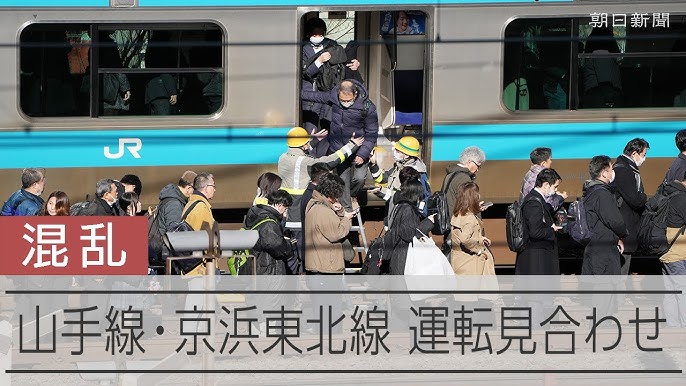
Passengers being guided by staff, walking along the tracks toward a station
Passengers who had been waiting inside the stationary trains were eventually guided by railway staff to evacuate safely. Following careful instructions from trained personnel, these passengers were led to walk along the railway tracks to reach the nearest station platforms. Walking on railway tracks that are normally strictly off-limits to the public was an unusual and somewhat surreal experience for many of the affected passengers. Railway tracks can be hazardous environments, with uneven surfaces and various obstacles. Staff members carefully guided groups of passengers, ensuring their safety throughout the entire evacuation process. Among the evacuating passengers, reactions varied considerably. Some people displayed anxious expressions, clearly uncomfortable with the unfamiliar situation. Others quietly accepted the circumstances with remarkable calm, walking steadily toward safety.
The Impact Spread Throughout the City
The disruption's effects extended far beyond the immediate vicinity of the railway stations. Confusion and congestion spread throughout central Tokyo as hundreds of thousands of commuters sought alternative transportation options simultaneously. In front of some major stations, crowds of displaced commuters overflowed onto sidewalks and even spilled into roadways. Police officers were deployed to manage the unprecedented pedestrian traffic, using ropes and barriers to channel the flow of people and maintain order.
Public buses experienced overwhelming demand as commuters attempted to use them as alternatives. Taxi services also saw a dramatic surge in demand, with long queues forming at taxi stands. The disruption affected road traffic significantly as well, with streets becoming congested throughout the morning. It was a stark reminder of how heavily urban transportation in Tokyo depends on its railway infrastructure.
The "Everyday Scene" Gradually Returned
As the morning gave way to afternoon, restoration work and safety verification procedures continued intensively. The first positive news came when the Yamanote Line's inner loop resumed operations around 12:40 PM. Shortly thereafter, around 12:45 PM, the Keihin-Tohoku Line also resumed service, providing additional relief to waiting commuters.
Finally, around 1:08 PM, the Yamanote Line's outer loop, which had required continued adjustments and safety checks until the very end, also resumed normal operations. After what had been an extraordinarily long and difficult day, regular train service had finally returned to Tokyo's critical railway lines.
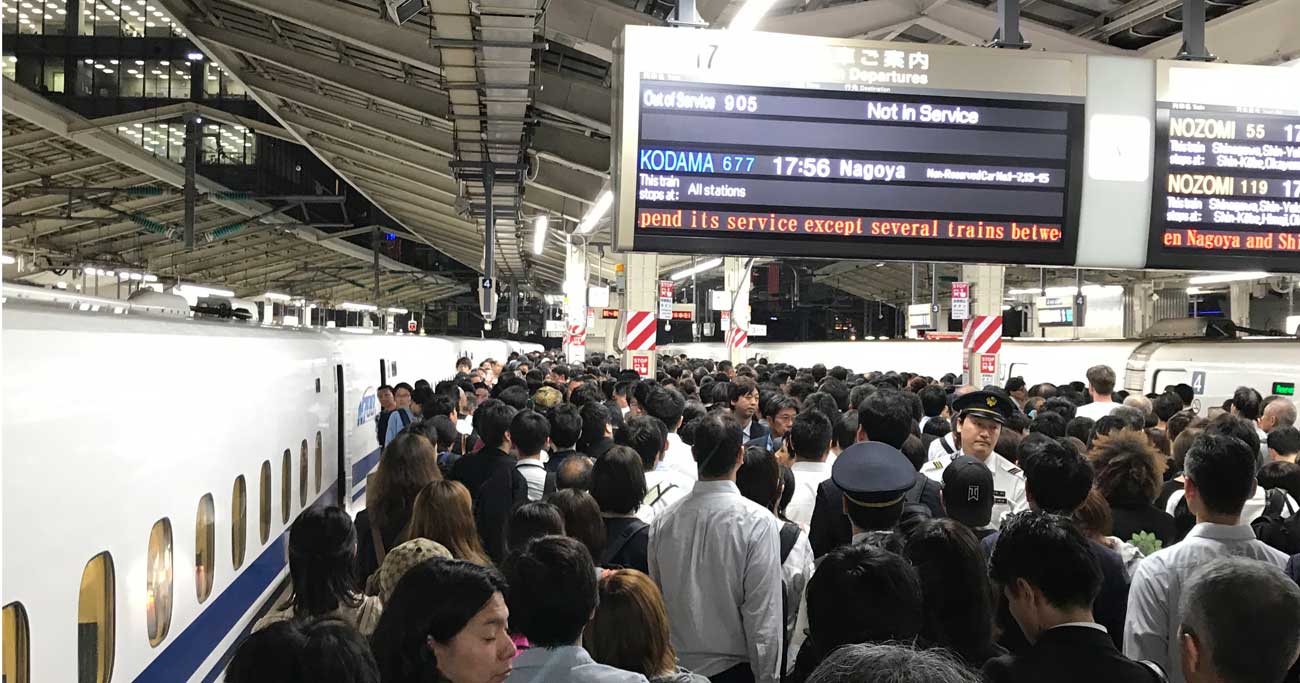
The station gradually returning to normal after service resumption
What Is Needed Going Forward
JR East has announced that it is conducting a thorough investigation into the detailed causes of this significant service disruption. Understanding exactly what went wrong with the substation equipment near Tamachi is essential for preventing similar incidents in the future. The Ministry of Land, Infrastructure, Transport and Tourism has also taken notice of the incident, formally requesting that JR East identify the root cause of the problem and develop comprehensive preventive measures as quickly as possible.
This incident serves as an important reminder that the trains we use every day can have their operations dramatically affected by a single equipment malfunction. Modern railway systems are incredibly complex, with countless components that must work together seamlessly to ensure safe and reliable service. When even one critical element fails, the consequences can cascade throughout the entire network. That reality is precisely why decisions that prioritize safety confirmation are so important.
Those who stopped at stations that morning, those who searched desperately for alternative routes, and those who had to cancel or significantly alter their plans—for each of them, this was undoubtedly a day quite different from usual. Perhaps this challenging experience provided an opportunity for reflection on the railway infrastructure that quietly supports our daily lives behind the scenes.