Potential Disasters in Japan's China-Taiwan Conflict: A Delicate Balance
When it comes to potential disasters in japan's china-taiwan conflict, travelers need to know that Japan's involvement in the Taiwan issue is a high-risk decision with the potential to trigger multiple forms of disaster, from economic collapse to military confrontation.
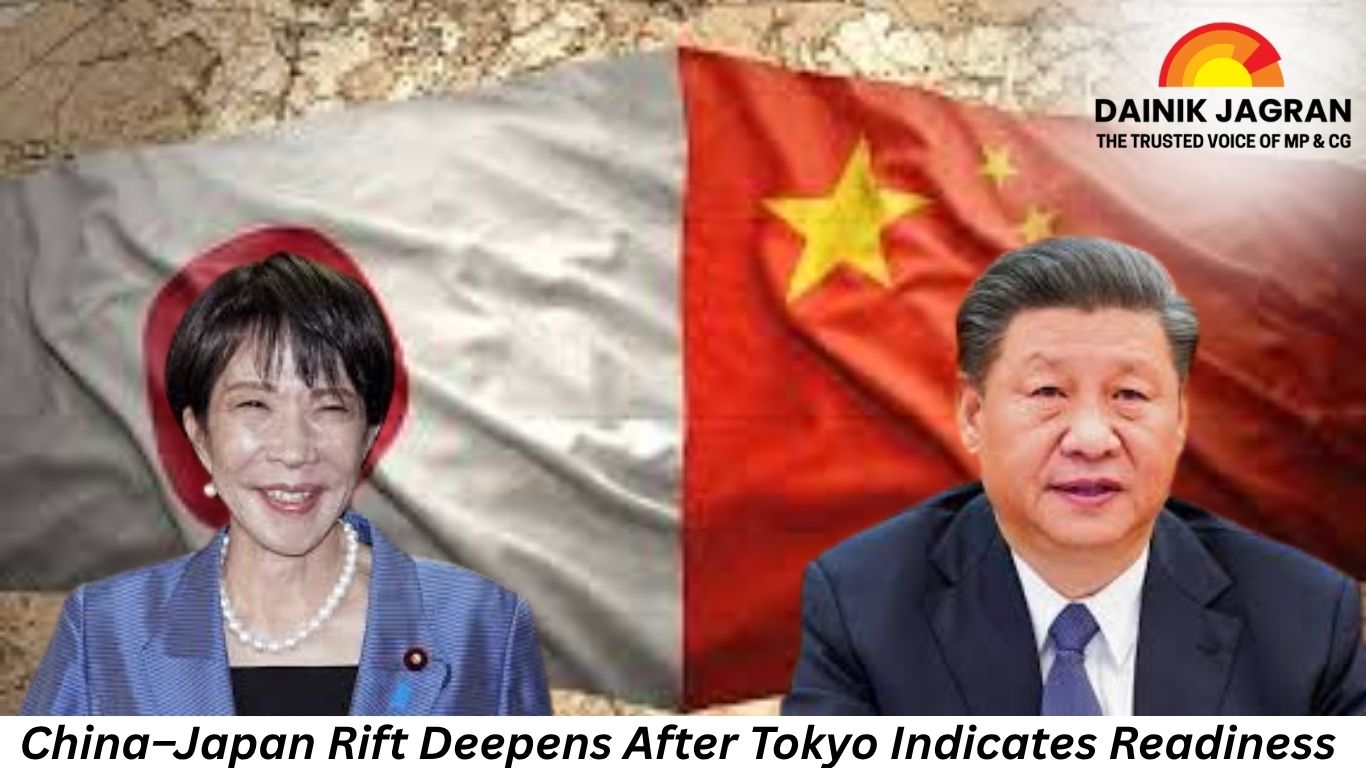
Japan's new prime minister, Sanae Takaichi, has taken an unusually firm stance on the China–Taiwan conflict. Sources suggest that this shift may have intensified after her recent private meeting with former U.S. President Donald Trump. Although the details of their discussion remain unknown, her subsequent policy speeches indicate stronger alignment with U.S. hardline strategies in East Asia.
Experts warn that Japan's deeper involvement in the Taiwan issue could expose the country to a wide range of political, economic, and security disasters. Below is an analysis of the most probable risks.
1. Severe Economic Retaliation From China
China is Japan’s largest trading partner. Any involvement in the Taiwan conflict could trigger immediate economic backlash:
Export and Import Restrictions: China could:
- Block Japanese vehicles and electronics at ports
- Halt shipments of key components (especially semiconductors and rare-earth metals)
- Cancel trade contracts and investment projects
Japan’s manufacturing industry — especially automotive and electronics — would encounter immediate shutdowns, leading to unemployment spikes and supply chain collapse.
Tourism and Service Sector Collapse: China could ban travel to Japan. This would severely impact:
- Hotels
- Restaurants
- Retail businesses
- Local tourism hubs like Hokkaido and Okinawa
Billions of dollars in revenue could vanish in weeks.
2. Cybersecurity Attacks and Infrastructure Disruptions
If Japan openly supports Taiwan or participates militarily, China could respond through cyber warfare rather than conventional weapons.
Potential cyber disasters include:
- Shutdown of Banking Systems
- Attacks on Hospital Networks
- Breaches of Government Databases
- Disruptions to Train Systems and Airports
- Manipulation of Media and Public Communication Channels
Such attacks could cause chaos, loss of public trust, and significant financial damage.
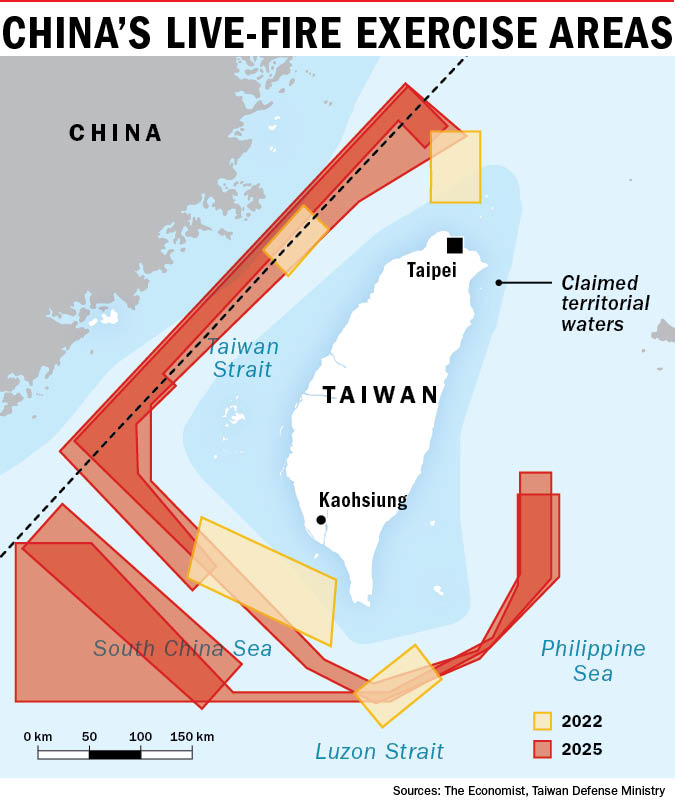
3. Military Tension in the East China Sea
Japan’s Self-Defense Forces could face increased military pressure near the Senkaku Islands.
Possible disasters include:
- Accidental Clashes: Close contact between Chinese and Japanese ships or aircraft increases the risk of:
- Collisions
- Drone incidents
- Warning shots
- Unintended engagements
Even a small incident could escalate rapidly.
4. Domestic Instability and Public Panic
If economic pressure and military tension rise simultaneously, Japan may experience internal instability:
- Panic Buying and Resource Shortages: Blackouts or trade disruptions could lead to shortages of:
- Fuel
- Batteries
- Food
- Medical supplies
Supermarkets could see panic buying similar to major natural disasters.
- Declining Yen and Market Crash: Investors may pull funds out of Japan, leading to:
5. Diplomatic Isolation or Overreliance on the U.S.
By aligning too closely with Donald Trump’s vision for Asia, Japan might:
- Lose diplomatic flexibility
- Face pressure to support U.S. military initiatives
- Damage relationships with regional neighbors
If the conflict worsens, Japan could find itself isolated in Asia and dependent solely on U.S. support — a strategic disadvantage.
Conclusion: A Delicate Balance
Japan’s involvement in the China–Taiwan issue is a high-risk decision with potential to trigger multiple forms of disaster, from economic collapse to military confrontation. While some argue that supporting Taiwan strengthens Japan’s security, critics warn that the timing — especially after Takaichi’s meeting with Trump — may lead the nation into avoidable instability.
Japan now faces a delicate balance: protecting its interests while avoiding the cascade of disasters that could arise from deepening the Taiwan conflict.
Potential Disasters in Japan's China-Taiwan Conflict: A Delicate Balance
When it comes to potential disasters in japan's china-taiwan conflict, travelers need to know that Japan's involvement in the Taiwan issue is a high-risk decision with the potential to trigger multiple forms of disaster, from economic collapse to military confrontation.
Japan's new prime minister, Sanae Takaichi, has taken an unusually firm stance on the China–Taiwan conflict. Sources suggest that this shift may have intensified after her recent private meeting with former U.S. President Donald Trump. Although the details of their discussion remain unknown, her subsequent policy speeches indicate stronger alignment with U.S. hardline strategies in East Asia.
Experts warn that Japan's deeper involvement in the Taiwan issue could expose the country to a wide range of political, economic, and security disasters. Below is an analysis of the most probable risks.
1. Severe Economic Retaliation From China
China is Japan’s largest trading partner. Any involvement in the Taiwan conflict could trigger immediate economic backlash:
Export and Import Restrictions: China could:
- Block Japanese vehicles and electronics at ports
- Halt shipments of key components (especially semiconductors and rare-earth metals)
- Cancel trade contracts and investment projects
Japan’s manufacturing industry — especially automotive and electronics — would encounter immediate shutdowns, leading to unemployment spikes and supply chain collapse.
Tourism and Service Sector Collapse: China could ban travel to Japan. This would severely impact:
- Hotels
- Restaurants
- Retail businesses
- Local tourism hubs like Hokkaido and Okinawa
Billions of dollars in revenue could vanish in weeks.

2. Cybersecurity Attacks and Infrastructure Disruptions
If Japan openly supports Taiwan or participates militarily, China could respond through cyber warfare rather than conventional weapons.
Potential cyber disasters include:
- Shutdown of Banking Systems
- Attacks on Hospital Networks
- Breaches of Government Databases
- Disruptions to Train Systems and Airports
- Manipulation of Media and Public Communication Channels
Such attacks could cause chaos, loss of public trust, and significant financial damage.
3. Military Tension in the East China Sea
Japan’s Self-Defense Forces could face increased military pressure near the Senkaku Islands.
Possible disasters include:
- Accidental Clashes: Close contact between Chinese and Japanese ships or aircraft increases the risk of:
- Collisions
- Drone incidents
- Warning shots
- Unintended engagements
Even a small incident could escalate rapidly.
4. Domestic Instability and Public Panic
If economic pressure and military tension rise simultaneously, Japan may experience internal instability:
- Panic Buying and Resource Shortages: Blackouts or trade disruptions could lead to shortages of:
- Fuel
- Batteries
- Food
- Medical supplies
Supermarkets could see panic buying similar to major natural disasters.
- Declining Yen and Market Crash: Investors may pull funds out of Japan, leading to:
5. Diplomatic Isolation or Overreliance on the U.S.
By aligning too closely with Donald Trump’s vision for Asia, Japan might:
- Lose diplomatic flexibility
- Face pressure to support U.S. military initiatives
- Damage relationships with regional neighbors
If the conflict worsens, Japan could find itself isolated in Asia and dependent solely on U.S. support — a strategic disadvantage.
Conclusion: A Delicate Balance
Japan’s involvement in the China–Taiwan issue is a high-risk decision with potential to trigger multiple forms of disaster, from economic collapse to military confrontation. While some argue that supporting Taiwan strengthens Japan’s security, critics warn that the timing — especially after Takaichi’s meeting with Trump — may lead the nation into avoidable instability.
Japan now faces a delicate balance: protecting its interests while avoiding the cascade of disasters that could arise from deepening the Taiwan conflict.
Sources: