The Sizing Question Nobody Wants to Ask Out Loud — But Everyone Has.
You're planning your Kyoto trip. Kimono rental is on the list. And somewhere in the back of your mind is the question you haven't fully typed into a search bar yet: Will they have my size? Will it actually fit? Is this experience even designed for me?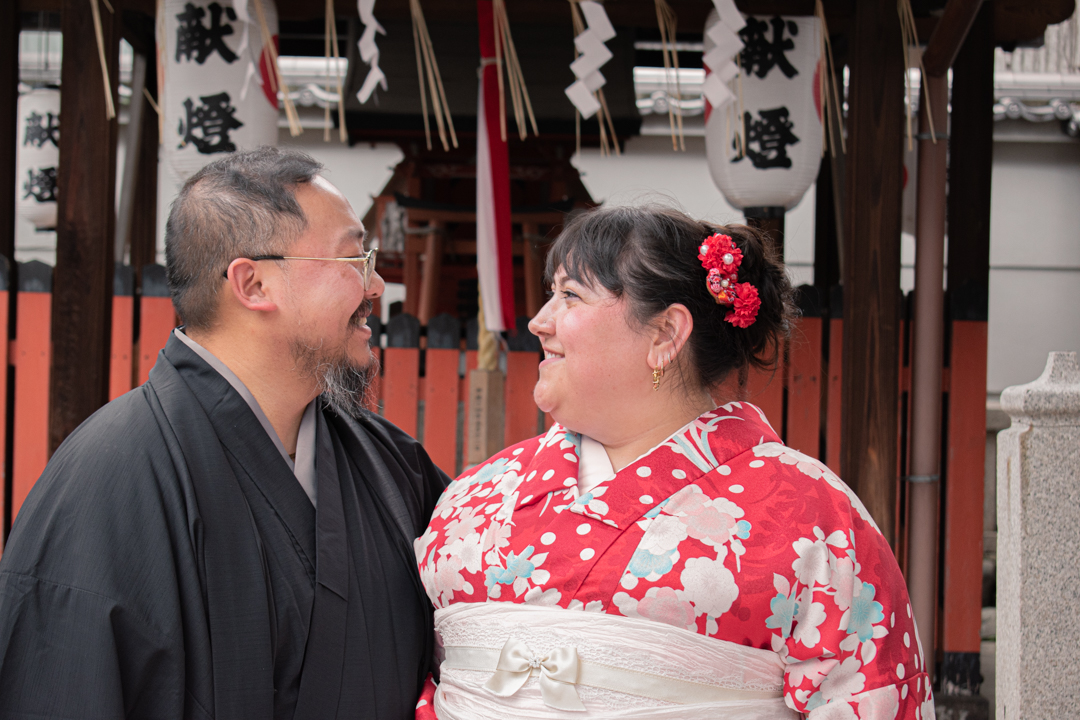
It's a fair concern. And it's more common than the kimono rental industry tends to acknowledge. A lot of shops in Kyoto cater to a narrow size range and don't mention it anywhere on their website — which means travelers either find out on arrival, or talk themselves out of booking altogether because they weren't sure.
Neither of those is a good outcome. So this post is going to answer the question directly.
By the end, you'll know how kimono sizing actually works (and why the traditional construction is more accommodating than Western clothing), what plus size rental looks like at Kimono no Obebe near Shijo Karasuma, what to ask before you book, and how to have a genuinely comfortable and confident kimono day in Kyoto regardless of your size. No vague reassurances. Just honest information.
First: How Kimono Sizing Actually Works
This is the part most people don't know — and it genuinely changes the picture.
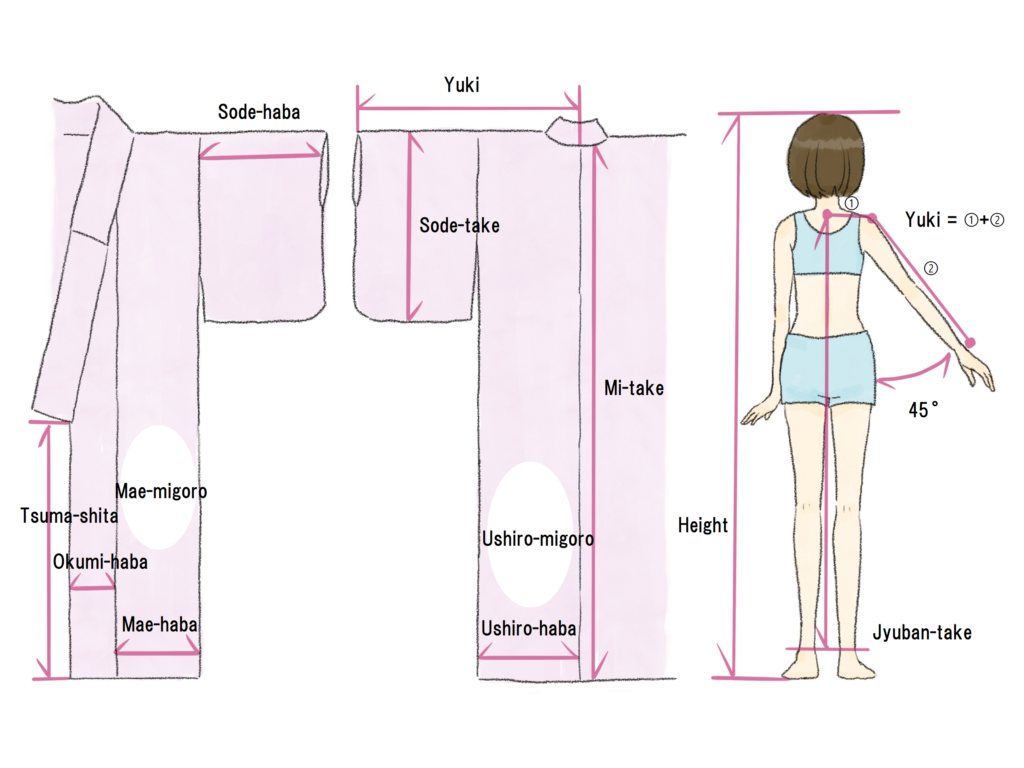
Kimono are not sized the way Western clothing is. They're not cut to hug a specific body shape or hit a particular measurement. The traditional construction is a series of rectangular fabric panels that wrap around the body and are secured with the obi sash. The fit is adjusted through the wrap itself — how the panels overlap, how the obi is tied, how the collar is positioned — rather than through seam placement or stretch.
What that means in practice: the same kimono can fit a range of body sizes, because the fitting is done by the staff during the dressing process, not by the garment's cut. A skilled dresser adjusts the wrap, the overlap, and the obi tension to create a clean, flattering silhouette across a genuinely wide range of body types.
This is not a workaround. This is how kimonos have always worked. The adjustability is built into the design.
That said — and this is the honest part — not every shop stocks fabric panels in sizes that accommodate larger bodies comfortably. The construction is flexible, but the raw fabric dimensions still need to be sufficient. This is why the specific shop you choose matters.
What Plus Size Rental Looks Like at Kimono no Obebe
Kimono no Obebe near Shijo Karasuma stocks kimono in a range of sizes designed to accommodate guests comfortably — not just as a technical workaround, but as an actual considered part of the fitting experience. The English-speaking staff can work with you directly on fit concerns before and during the dressing process, which matters when you're trying to communicate something as specific as sizing preferences in a country where you don't speak the language.
The fitting takes the same 20-30 minutes as any other rental. The staff adjusts the wrap and obi for your body specifically. The result, when done by someone who knows what they're doing, is a clean kimono silhouette that works with your shape rather than against it.
For specific sizing questions before you book, the clearest approach is to reach out directly through the contact page here. The team can confirm availability for your size range and address any fit concerns before you arrive — which is a much better conversation to have in advance than on the day.
Why Kimono Can Be Genuinely Flattering at Any Size
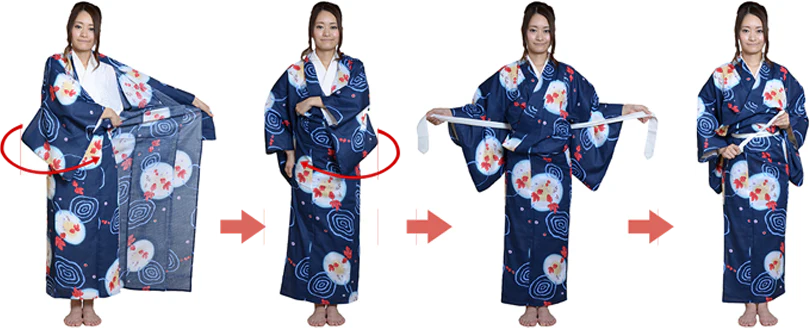
This isn't encouragement for its own sake. There are actual structural reasons why kimono tends to work well across body types.
The vertical line of the front panels creates length. The obi defines the waist without squeezing it. The straight fall of the fabric from the shoulders down creates a clean, unified silhouette rather than emphasizing any single area of the body. And the overall aesthetic is so distinctly different from Western fashion that the usual reference points — the ones that make shopping for Western clothes stressful — don't really apply.
A lot of people who've been anxious about kimono sizing report being genuinely surprised by how the finished look felt. Not just fine. Actually good.
Here's a fictional but realistic scenario that captures this.
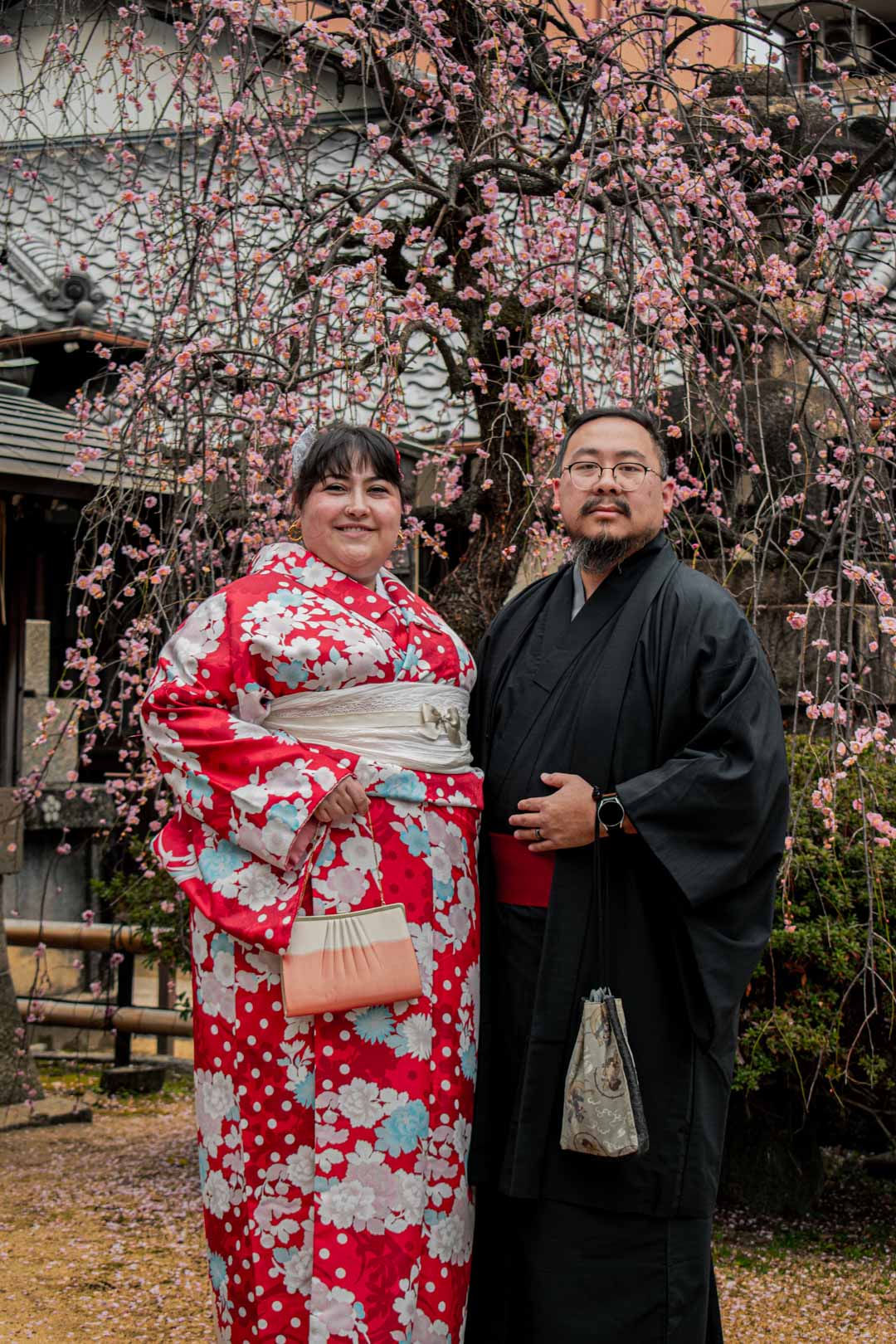
Imagine a woman who almost didn't book a kimono rental in Kyoto because she wasn't sure about sizing. She'd had enough experiences with tourist activities that turned out not to accommodate her properly, and she didn't want to deal with that in the middle of an otherwise good trip. She reached out to Kimono no Obebe before arriving, confirmed her size range was covered, and booked. The dressing took 25 minutes. The staff adjusted the wrap specifically for her body, tied the obi at the right height, and styled her hair with kanzashi pins. She walked out into Gion. The photos from that morning are some of her favorites from the entire trip.
(This is a fictional example — not a real customer account — but it reflects what the experience is designed to be for every guest, regardless of size.)
Hair, Makeup, and the Full Look
Kimono no Obebe includes hair styling as part of the rental experience, with makeup also available. This is worth mentioning specifically in the context of plus size rental because the full look — kimono, properly tied obi, styled hair, kanzashi accessories — is what makes the experience complete.
A lot of the confidence that comes from a kimono day comes from the total picture, not just the garment. When the hair is styled to match the outfit and the accessories are coordinated by someone who knows what they're doing, the result is cohesive in a way that feels intentional. That's true for every guest, and it's particularly true for guests who've been uncertain about how the overall look would come together.
Photography: Getting the Full Experience
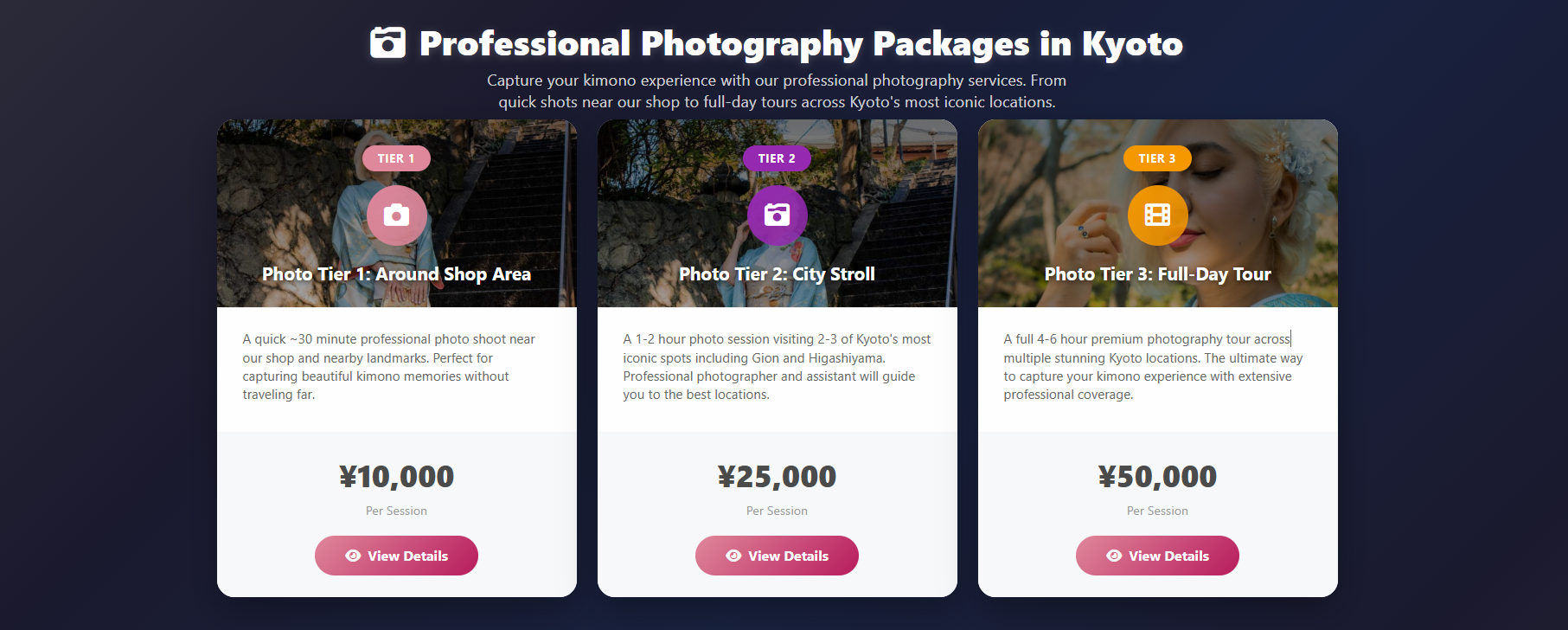
If photos matter to you — and for most people visiting Kyoto, they do — the photography sessions at Kimono no Obebe start from 10,000 yen. A professional photographer joins you after dressing and takes you through the best spots in Gion, shooting while you walk and engage with the neighborhood rather than posing stiffly.
For guests who've been self-conscious about photos in the past, this is worth considering. A photographer who knows how to frame a shot — the right angle, the right light, the right moment of movement — produces images that look like the experience you actually had, not a record of you trying to look comfortable for a camera.
The guest gallery here shows what real results look like across different body types, seasons, and kimono styles. It's the most honest preview of what to expect.
Best Seasons for a Kimono Day Near Shijo Karasuma
Every season in Kyoto has something going for it — and none of them have a body size requirement.
Spring (March-May) is cherry blossom season. The Shirakawa Canal and the backstreets of Gion are lined with sakura, and the soft pink light makes every photo look considered. It's the most popular season for kimono rental — book well in advance if you're visiting in April.
Summer (June-August) offers lighter yukata options that handle the heat better than full kimono. July brings the Gion Matsuri festival, when wearing yukata in this neighborhood feels completely natural rather than performative. The festival atmosphere is unlike any other time of year in Kyoto.
Autumn (October-November) is the most photogenic season for many guests. Deep-colored maple leaves, warm afternoon light, cooler temperatures that make a full day of walking genuinely comfortable. Late November, when the leaves peak around the Shirakawa Canal and Gion's backstreets, is visually dramatic in a way that complements rich kimono fabrics beautifully.
Winter (December-February) is quieter and calmer than any other season. The crowds thin out, the streets near Gion are easy to navigate, and the winter kimono layering has an elegance that lighter seasonal styles don't match. New Year in Kyoto — with Hatsumode at Yasaka Shrine — is a particularly good time to be in traditional dress.
Pricing at Kimono no Obebe stays flat year-round. No seasonal surcharges during cherry blossom or autumn foliage season. The full plans and pricing are here — plans start from 1,900 yen, with the furisode option at 15,000 yen. What you see is what you pay, regardless of when you visit.
Getting Here and What to Do Next
Kimono no Obebe is a 2-minute walk from Shijo Station on the Hankyu Kyoto Line or Keihan Main Line. From Kyoto Station, take the Karasuma subway line to Shijo — five minutes. Once you're dressed, Gion is right outside. Pontocho, Nishiki Market, and Yasaka Shrine are all walkable.
If sizing is on your mind before you book, reach out first. The contact page is at kimononoobebe.love/contact — the English-speaking team can answer specific questions about size availability and fit before you commit to anything. And for a look at the full range of guest experiences across sizes, seasons, and styles, @kyoto_kimonorental_noobebe on Instagram is worth a look.
Kimono rental in Kyoto is for everyone. The outfit is designed to fit a range of bodies, the experience is designed to be comfortable, and the neighborhood outside the door is one of the most beautiful places in Japan. None of that changes based on your size.