Hiring a Professional Photographer in Japan: Your Complete Guide to Kimono Photo Shoots
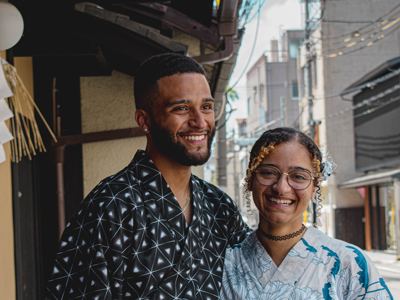
Hiring a professional photographer in Japan transforms your kimono experience from a simple rental into a treasured collection of expertly crafted memories. Whether you're strolling through Kyoto's ancient temples or exploring Tokyo's vibrant streets, professional photography elevates your journey by capturing both the stunning surroundings and the intricate beauty of traditional Japanese attire. This comprehensive guide walks you through everything you need to know about finding, booking, and working with photographers in Japan, with special attention to kimono photography services.
Why Hire a Professional Photographer for Your Kimono Experience
The decision to hire a professional photographer goes beyond simply getting better pictures. When you're wearing a kimono, you're participating in a centuries-old cultural tradition that deserves to be documented with care and expertise.
The Value of Professional Expertise
Professional photographers bring invaluable skills that smartphone cameras simply cannot replicate. They understand how natural light interacts with kimono fabrics, creating images that showcase the garment's rich textures and vibrant colors. Their knowledge of composition ensures that both you and Japan's breathtaking scenery are captured in perfect harmony.
Beyond technical skills, experienced photographers know Japan's best locations intimately. They understand when morning light filters through temple gardens most beautifully, which angles showcase traditional architecture optimally, and how to avoid tourist crowds while still capturing iconic backdrops. This local knowledge proves especially valuable when you have limited time in each destination.
Focus on Your Experience, Not Your Camera
Perhaps most importantly, professional photography allows you to be fully present in the moment. Instead of worrying about camera settings, positioning, and whether you captured the right shot, you can immerse yourself in the experience of wearing kimono and exploring Japan's cultural treasures. The spontaneous smile, the genuine moment of wonder, the natural grace as you walk through a bamboo grove—these authentic expressions emerge when you're not behind the camera.
Finding Professional Photographers in Japan
Locating the right photographer requires understanding the various platforms and resources available, each offering different advantages depending on your needs and preferences.
Online Photography Platforms
Several established platforms connect travelers with professional photographers throughout Japan. Services like Localgrapher and Flytographer operate internationally, providing English-language booking interfaces and standardized pricing structures. These platforms offer convenience and reliability, with vetted photographers and clear cancellation policies.
Japan-specific services like Lovegraph specialize in couples and family photography, with photographers who understand both Japanese aesthetics and international client expectations. Their photographers often have extensive experience with kimono shoots and know how to navigate cultural sites respectfully while capturing stunning images.
Instagram and Social Media Research
Instagram has become an invaluable tool for finding photographers whose style resonates with your vision. Search hashtags like #kyotophotographer, #kimonophotoshoot, #tokyophotographer, or #japanphotography to discover professionals showcasing their portfolios. This approach allows you to see actual work samples before making contact.
When researching photographers on social media, examine consistency in their work quality, their interaction with clients through comments, and whether their portfolio demonstrates experience with kimono photography specifically. The way photographers capture fabric movement, traditional settings, and cultural elements reveals their expertise level.
Kimono Rental Shop Partnerships
Many kimono rental shops have established relationships with professional photographers or offer in-house photography services. This integration provides significant convenience—you can coordinate kimono selection, dressing, and photography through a single point of contact.
Kimono no Obebe, located conveniently near Shijo Station in Kyoto, exemplifies this integrated approach. Their photography packages combine professional kimono rental with expert photo services, eliminating the complexity of coordinating separate vendors. With multilingual support and English-speaking staff, international visitors can communicate their vision clearly and receive guidance on both kimono selection and photography planning.
Hotel Concierge and Local Recommendations
Upscale hotels in major Japanese cities often maintain relationships with reliable professional photographers. Concierge services can arrange photography sessions, sometimes negotiating better rates through established partnerships. Additionally, seeking recommendations from other travelers through forums or social media groups can reveal hidden gems—talented photographers who may not have extensive online presence but deliver exceptional work.
Understanding Photography Pricing in Japan
Photography costs in Japan vary significantly based on session duration, photographer experience, location requirements, and included services. Understanding these pricing structures helps you budget appropriately and identify packages that offer the best value for your needs.
Standard Photography Session Rates
Independent professional photographers in Japan typically structure their pricing around session duration and deliverables. A thirty-minute session generally costs between ¥8,000 and ¥15,000, providing twenty to thirty edited photographs. This option suits travelers wanting beautiful commemorative photos without extensive time commitment.
One-hour sessions, ranging from ¥15,000 to ¥25,000, represent the most popular choice. These sessions provide forty to sixty edited images and allow enough time to visit one or two nearby locations, capture various poses and settings, and create a diverse collection of photographs.
Half-day shoots, spanning approximately four hours, cost between ¥25,000 and ¥40,000. This timeframe accommodates multiple locations, outfit changes, and comprehensive coverage of your kimono experience. You'll receive one hundred or more edited photographs, providing extensive documentation of your journey.
Full-day photography services, priced from ¥50,000 to ¥80,000, cater to special occasions like weddings, proposals, or milestone celebrations. These extensive sessions offer complete flexibility, allowing sunrise to sunset coverage across numerous locations.
Kimono no Obebe's Integrated Photography Packages
Kimono no Obebe offers exceptional value through their combined rental and photography packages, designed specifically for kimono photo experiences:
- 30-Minute Quick Session (¥10,000): Perfect for travelers with limited time, this package includes kimono rental, professional dressing, hair styling, and a focused photo shoot around the shop's scenic neighborhood near Shijo Station. You'll receive beautifully edited digital images capturing your kimono experience without requiring extensive planning or time investment.
- 4-Hour Premium Experience (¥25,000): This comprehensive package provides everything needed for an exceptional kimono photo shoot. Your rental, complete styling, hair arrangement, and professional photography are seamlessly coordinated. The four-hour timeframe allows visits to two or three carefully selected locations, ensuring varied backdrops from traditional temples to picturesque streets. The photographer accompanies you throughout, capturing both posed portraits and candid moments.
- Full-Day Ultimate Package (¥50,000): For those seeking extensive coverage, this all-day experience includes premium kimono rental, full styling services, and a photographer who accompanies you to multiple locations of your choice. This package suits special occasions, allowing you to experience different aspects of Kyoto while maintaining pristine kimono styling and receiving expert photography guidance throughout the day.
These integrated packages eliminate coordination stress and ensure your kimono remains perfectly styled throughout the photography session. The photographers understand kimono aesthetics specifically and know how to capture both the garment's beauty and your unique personality.
Additional Cost Considerations
When comparing photography options, consider potential additional expenses. Independent photographers may charge travel fees for distant locations, especially outside city centers. Some popular tourist sites require photography permits or additional entrance fees for professional equipment. Weather-related rescheduling policies vary—some photographers offer flexible date changes while others may charge rescheduling fees.
Rushed delivery services for edited photos typically incur additional charges. Standard delivery usually occurs within one to two weeks; expedited processing may cost extra. Some photographers offer raw file purchases or extended editing services at additional rates.
What to Look for in a Kimono Photographer
Selecting the right photographer involves evaluating both technical competence and interpersonal compatibility. The following factors ensure you choose someone who will capture your vision while providing an enjoyable experience.
Portfolio Assessment
A photographer's portfolio reveals their style, technical skill, and experience with kimono photography specifically. Look for consistent quality across multiple shoots rather than isolated exceptional images. Examine how they handle lighting in various conditions—harsh midday sun, soft morning glow, or dramatic sunset scenes.
Pay particular attention to how photographers capture fabric details, kimono patterns, and the garment's flow during movement. Experienced kimono photographers know how to position subjects to showcase the obi's intricate tying, highlight seasonal patterns, and capture the graceful silhouette that proper kimono wearing creates.
Diversity in their portfolio demonstrates versatility. Can they shoot equally well in temple gardens, urban environments, and natural settings? Do they capture both formal posed portraits and natural candid moments? This range suggests adaptability to your specific vision.
Communication and Language Skills
Effective communication proves essential for translating your vision into reality. While not all excellent photographers speak fluent English, they should have systems in place for clear communication—translation apps, visual reference sharing, or assistants who can interpret.
Kimono no Obebe addresses this concern directly with multilingual support and English-speaking staff. This ensures nothing gets lost in translation when discussing your preferences, location choices, or specific shots you want to capture. The ability to communicate easily makes the entire experience more relaxed and enjoyable.
Cultural Sensitivity and Knowledge
Photographers working with kimono should demonstrate cultural understanding and respect. They should know appropriate behavior at temples and shrines, understand kimono wearing etiquette, and guide you in avoiding cultural missteps. This knowledge protects both you and the locations you're photographing from unintentional disrespect.
Experienced photographers recognize which poses honor kimono traditions and which might appear inappropriate or culturally insensitive. They guide natural movements that work with the kimono's structure rather than against it, creating images that feel authentic rather than contrived.
Flexibility and Problem-Solving Ability
Weather changes, unexpected crowds, or location closures require photographers who can adapt quickly. The best professionals have backup location lists, contingency plans for rain, and creative solutions when situations don't proceed as planned.
During your initial communication, gauge their responsiveness and willingness to accommodate your specific needs. Do they ask thoughtful questions about your vision? Do they offer suggestions based on their experience? This engagement indicates someone invested in your satisfaction.
Preparing for Your Photography Session
Thorough preparation ensures your photo shoot proceeds smoothly and yields the images you envision. These preparation steps maximize both your comfort and the quality of your final photographs.
Creating Your Vision Board
Visual communication transcends language barriers and clarifies your aesthetic preferences. Create a collection of inspiration images—these might include specific poses, lighting styles, color palettes, or compositional approaches that resonate with you. Pinterest boards work excellently for this purpose, allowing you to organize images by category and share them easily with your photographer.
Include examples of what you don't want as well. This negative reference helps photographers understand your boundaries and avoid styles that don't appeal to you. Be specific about preferences regarding closeup versus wide shots, formal versus candid styles, and whether you want environmental portraits showcasing scenery or intimate portraits with blurred backgrounds.
Discussing Logistics and Expectations
Before your session, confirm all practical details in writing. Clarify the meeting location, start time, and whether the photographer provides transportation between locations or expects you to travel independently. Understand what happens if you arrive late or if weather forces cancellation.
Discuss the number of final edited images you'll receive, delivery timeline, and file formats. Will you receive high-resolution files suitable for printing? Are images provided via download link, USB drive, or cloud storage? Understanding these details prevents disappointment later.
Kimono Selection Strategy
Your kimono choice significantly impacts your photographs' overall aesthetic. When working with shops like Kimono no Obebe, discuss your photography plans during the rental consultation. Their staff can recommend colors and patterns that photograph well, coordinate beautifully with seasonal scenery, and complement your natural coloring.
Consider bringing reference photos showing your planned photography locations. This allows rental staff to suggest kimono that will either harmonize with or provide striking contrast against those backgrounds. For autumn foliage shoots, deep jewel tones or contrasting colors like navy or ivory create stunning visual impact. For spring cherry blossoms, softer pastels or bold contrasts work beautifully.
Personal Preparation
Physical comfort affects how you appear in photographs. Get adequate rest the night before your shoot—fatigue shows in your eyes and posture. Stay hydrated but avoid excessive drinking immediately before, as kimono makes bathroom visits challenging. If you have specific hair or makeup preferences, communicate these when booking your kimono rental, as most shops offer styling services.
Arrive at your kimono rental appointment with extra time. Rushing creates stress that translates into tense shoulders and forced smiles. The dressing process itself can be meditative and enjoyable when you're not watching the clock anxiously.
During Your Photo Shoot: Making the Most of Your Session
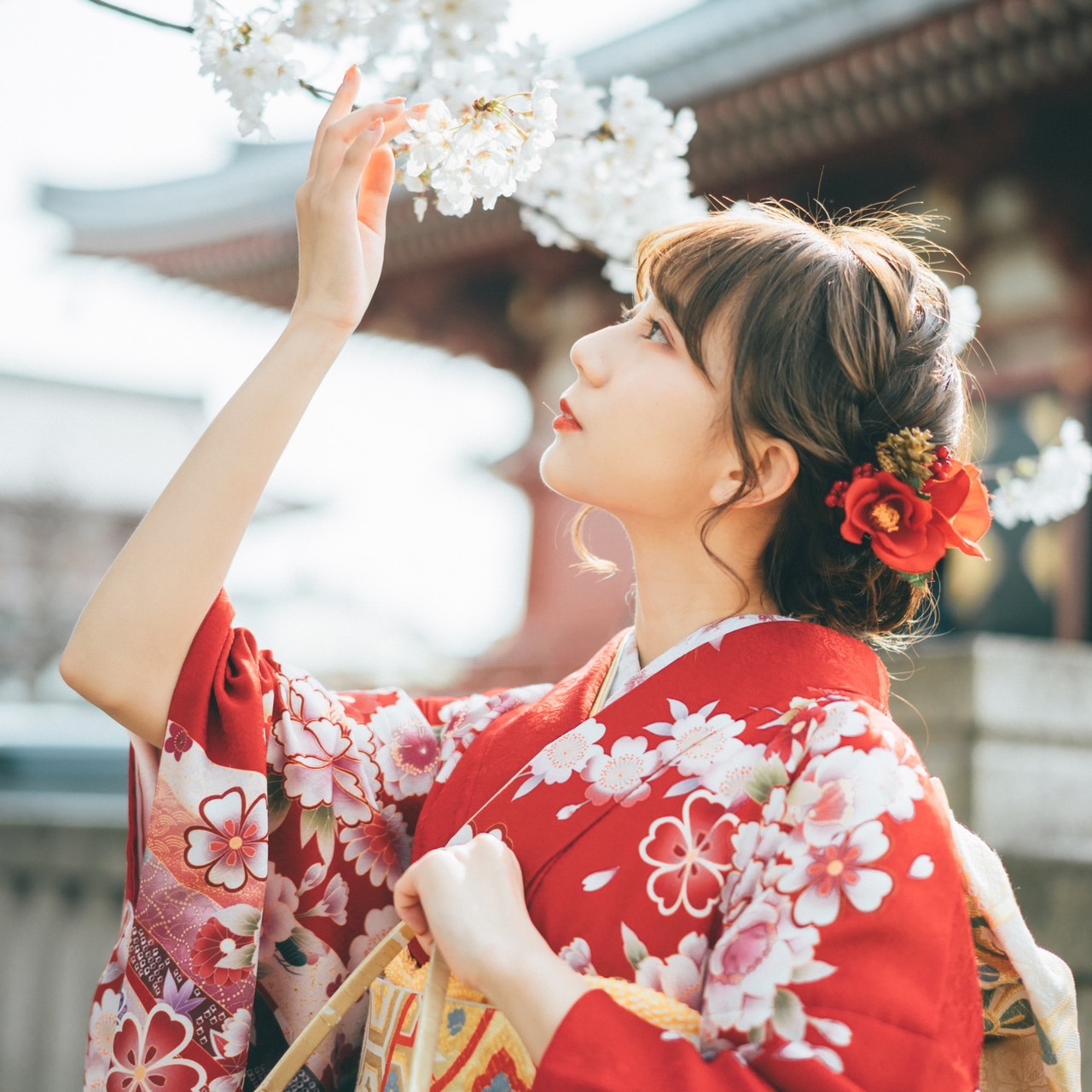
The photo shoot itself offers opportunities to create beautiful images while enjoying a unique cultural experience. These strategies help you remain comfortable, look natural, and collaborate effectively with your photographer.
Posing with Confidence in Kimono
Kimono's structure influences which poses appear most flattering. Unlike Western clothing, kimono creates a cylindrical silhouette that photographs best from certain angles. Position your body at a slight angle to the camera rather than facing directly forward—this creates dimension and showcases the kimono's layers.
Professional photographers will guide your positioning, but understanding basic principles helps you move naturally between poses. Keep your shoulders relaxed and down, elongate your neck by imagining a string pulling from your crown, and allow your arms to rest in gentle positions rather than hanging stiffly at your sides.
Hand placement significantly impacts the overall image. Delicate positions near the obi, gently touching the collar, or holding traditional accessories create visual interest. Avoid clenching fists or letting hands hang limply—soft, natural curves appear most graceful.
Natural Expression and Authentic Emotion
The most memorable photographs capture genuine emotion rather than forced smiles. Your photographer might engage you in conversation, ask you to think about something that makes you happy, or suggest activities that create natural expressions—walking slowly while looking at autumn leaves, turning to admire temple architecture, or sharing a moment with your travel companion.
Don't feel pressured to smile constantly. Contemplative expressions, peaceful gazes, and moments of natural curiosity create diversity in your photo collection. Trust your photographer to capture various moods and expressions throughout the session.
Working with Your Photographer
Professional photographers appreciate collaborative subjects who communicate honestly about their comfort levels. If a pose feels awkward or uncomfortable, say so—they can adjust. If you need a short break to rest or adjust your kimono, request one. Your comfort directly impacts how relaxed and natural you appear in photographs.
Conversely, trust their expertise when they suggest something that feels unfamiliar. Photographers see the scene through the lens differently than you experience it from your position. What feels awkward from your perspective might create a stunning composition in the final image.
Don't constantly ask to review images during the shoot. This interrupts flow and momentum. Instead, perhaps check once or twice mid-session to ensure you're aligned on direction, then trust the process and immerse yourself in the experience.
Managing Your Energy Throughout the Session
Longer photography sessions require energy management. Kimono, while beautiful, can be physically restrictive and warm. Take breaks when needed, especially during hot weather or extended shoots. Your photographer understands that maintaining genuine smiles and graceful posture requires physical and mental energy.
If you're shooting at multiple locations, use travel time between sites to rest, hydrate, and recharge. These moments also provide opportunities to check that your kimono styling remains pristine—ask your photographer or rental shop staff for quick adjustments if anything has shifted.
After Your Photo Shoot: Receiving and Using Your Images
The photography experience continues after the shoot ends, as you receive, review, and share your beautifully crafted images.
Understanding Editing and Delivery Timelines
Professional editing requires time. Photographers typically deliver final edited images within one to two weeks, though timelines vary based on their workload and the number of images requiring editing. Your package determines how many edited photos you'll receive—anywhere from twenty images for brief sessions to hundreds for full-day coverage.
Professional editing includes color correction, exposure adjustment, and subtle retouching. Photographers enhance the natural beauty of both subjects and settings without creating unrealistic appearances. If you have specific editing preferences—perhaps preferring more vibrant colors or softer, more muted tones—communicate these during your initial consultation.
File Formats and Print Considerations
High-resolution files allow you to create beautiful prints in various sizes. Ensure you understand the file specifications you're receiving—sufficient resolution for large prints typically requires files of at least 3000 pixels on the longest side. Ask about printing rights and whether you're permitted to use images commercially if that's relevant to your needs.
Many photographers provide both high-resolution files for printing and web-optimized versions for social media sharing. If you plan to create photo books, canvas prints, or other keepsakes, communicate this upfront so your photographer can ensure appropriate file delivery.
Sharing Your Experience
Beautiful kimono photographs naturally inspire sharing on social media. When posting, credit your photographer and rental shop—this both honors their work and helps other travelers discover these services. Kimono no Obebe's Instagram showcases guest experiences and provides inspiration for future visitors.
Consider leaving reviews on platforms where you found your photographer or rental shop. Detailed, honest reviews help future travelers make informed decisions and provide valuable feedback to businesses.
Special Photography Opportunities: Seasonal Considerations
Japan's distinct seasons create unique photography opportunities throughout the year. Understanding seasonal characteristics helps you plan photo shoots that capture each season's special beauty.
Spring Cherry Blossom Photography
Spring's iconic cherry blossoms provide ethereal backdrops for kimono photography, but their brief bloom period requires precise timing. Peak blossom periods vary by region and year, typically occurring from late March through early April in Kyoto and Tokyo. The delicate pink blooms create romantic, dreamy atmospheres that pair beautifully with pastel kimono or provide striking contrast with darker, more dramatic colors.
Summer Festival Photography
Summer brings yukata season and vibrant festivals. Lightweight yukata provide comfort during warm weather while maintaining traditional aesthetics. Summer photography often features evening festivals, fireworks, and lush green foliage. The casual nature of yukata allows for more dynamic, playful photography compared to formal kimono's elegant restraint.
Autumn Foliage Photography
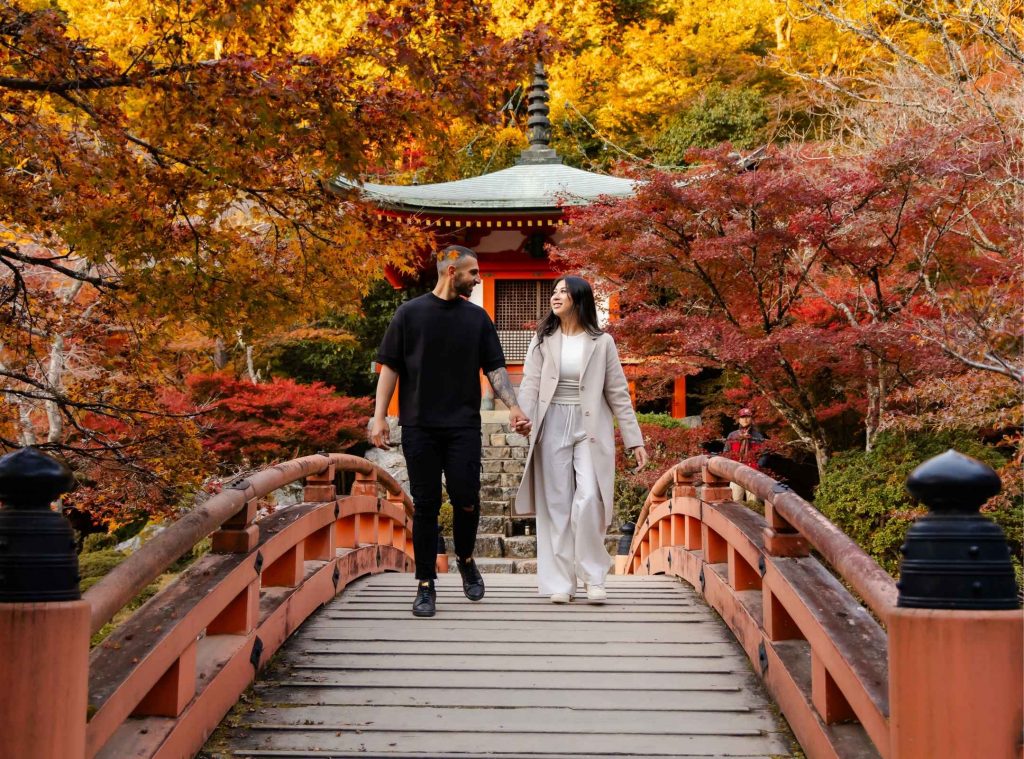
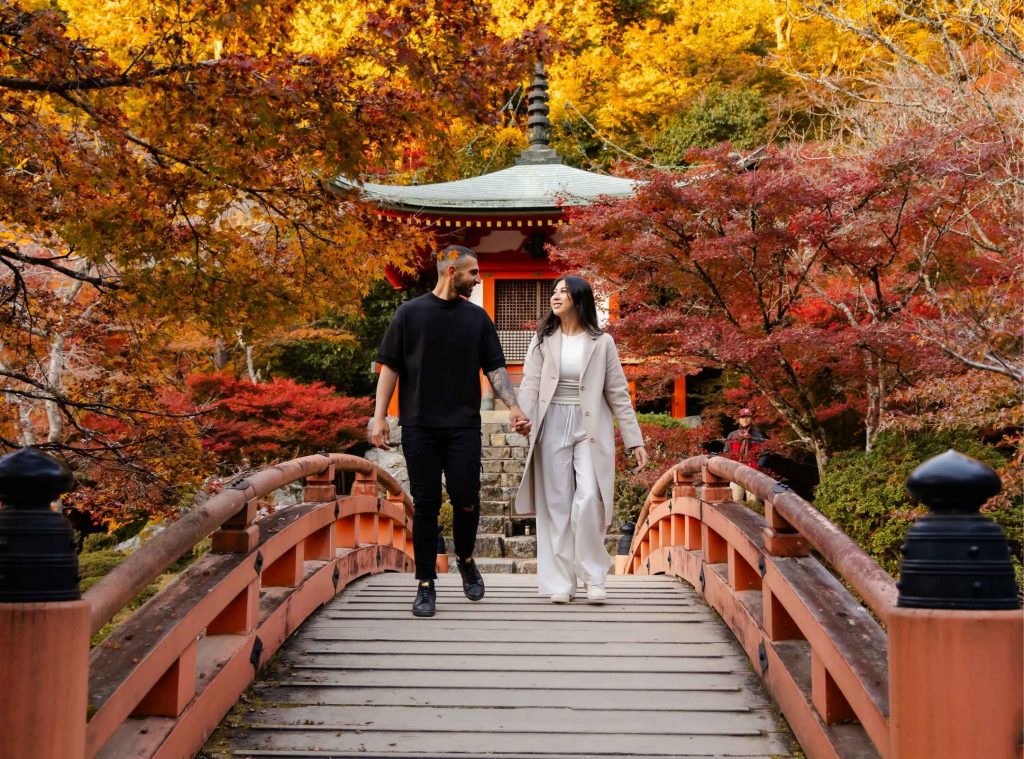
Autumn's spectacular color transformation creates Japan's most photogenic season for kimono photography. The extended foliage period, typically from mid-October through early December, provides flexibility for scheduling. Rich autumn colors—crimson maples, golden ginkgo, amber oaks—complement both harmonious autumn-toned kimono and contrasting deep blues or ivories.
Winter Elegance Photography
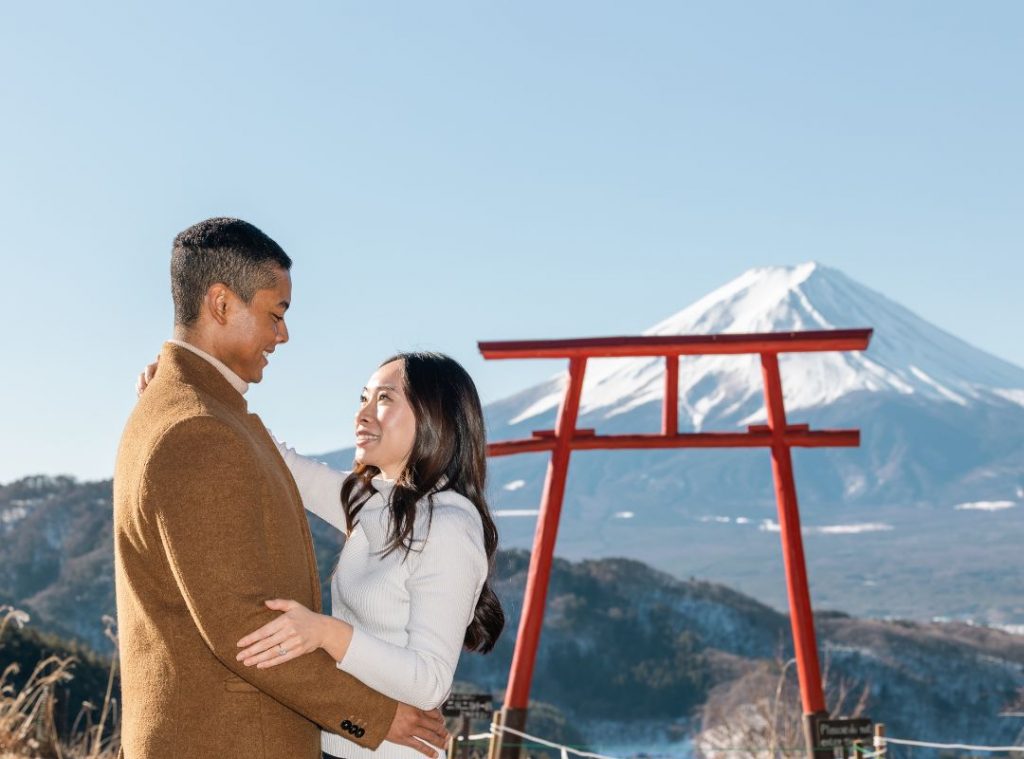
Winter offers unique opportunities for dramatic photography. Snow-dusted temple gardens create serene, monochromatic backdrops that highlight kimono's vibrant colors. Shorter days mean careful timing for natural light, but winter's clear skies often provide brilliant blue backgrounds. Winter kimono photography requires additional planning for warmth—haori jackets and appropriate undergarments ensure comfort during shoots.
Frequently Asked Questions About Hiring Photographers in Japan
Common questions and detailed answers to help you make informed decisions about your kimono photography experience.
Do I need to speak Japanese to hire a photographer?
No, especially when working with international platforms or shops like Kimono no Obebe that offer multilingual support. Many photographers serving tourists have basic English communication skills or use translation apps effectively. Sharing visual references and confirming details in writing helps overcome any language barriers.
How far in advance should I book a photographer?
During peak seasons (cherry blossom season, autumn foliage, and major holidays), book at least two to three months ahead. Popular photographers fill their schedules quickly during these periods. For off-peak times, two to four weeks' advance booking typically suffices, though more notice is always better.
What happens if it rains on my scheduled photo shoot day?
Policies vary by photographer and package. Many offer rescheduling options for severe weather, while some embrace light rain as an opportunity for atmospheric photography with traditional umbrellas. Discuss weather contingency plans during booking, and consider backup indoor locations or covered areas.
Can I request specific locations for my photo shoot?
Absolutely! Photographers appreciate when clients have specific location preferences, though they may offer alternatives based on lighting conditions, crowd levels, or seasonal appropriateness. Some locations require special permits for professional photography or have restrictions on commercial photography equipment.
Are tips expected for photographers in Japan?
Tipping is not customary in Japan and might even cause awkwardness. Your photographer has set their rates to include their services completely. Instead, express appreciation through kind words, positive reviews, and social media tags crediting their work.
Can I bring props or request specific creative direction?
Most photographers welcome creative input and props that enhance your vision. Traditional items like wagasa umbrellas, fans, or seasonal flowers work beautifully. Discuss your ideas beforehand to ensure your photographer can accommodate them and potentially offer professional suggestions for maximizing their impact.
Why Choose Kimono no Obebe for Your Photography Experience
Kimono no Obebe distinguishes itself through several key advantages that streamline the photography and kimono rental experience:
Convenient Location Near Shijo Station
Located steps from Shijo Station in Kyoto's heart, Kimono no Obebe provides easy access via public transportation. This central location connects quickly to major photography sites including Gion's traditional streets, Kiyomizu-dera Temple, and Arashiyama's bamboo groves. The convenient positioning minimizes travel time in kimono, maximizing time for photography.
Competitive All-Season Pricing
Unlike many rental shops that increase prices during peak seasons, Kimono no Obebe maintains consistent, fair pricing throughout the year. This transparency helps with budget planning and ensures excellent value regardless of when you visit.
Complete Styling Services
Professional dressing, hair arrangement, and makeup services ensure you look your absolute best before your photo shoot begins. The staff's expertise in kimono styling means your garment will remain beautifully arranged throughout your photography session, eliminating concerns about disheveled fabric or shifting layers.
Multilingual Support
English-speaking staff facilitate clear communication about your preferences, photography plans, and any concerns. This linguistic accessibility proves invaluable when coordinating the details that make your experience exceptional.
Flexible Photography Options
Whether you prefer bringing your own photographer or utilizing Kimono no Obebe's integrated photography services, they accommodate various approaches. Their "bring your kimono" packages suit those who've already arranged photography independently but want the confidence of professional kimono rental and styling.
Authentic Guest Experiences
Browse real guest photos showcasing the quality of both kimono rentals and photography services. These authentic examples demonstrate the beautiful results previous visitors have achieved, helping you envision your own kimono photography experience.
Making Your Decision: Investment in Lasting Memories
Hiring a professional photographer in Japan represents an investment in preserving your journey's most precious moments. While the costs may initially seem significant, consider the value of professional images that capture this unique cultural experience with artistic skill and technical excellence.
These photographs become more than simple vacation snapshots—they transform into cherished artworks documenting your connection with Japanese culture, the beauty of traditional attire, and the magical moments experienced while exploring one of the world's most photogenic destinations.
Whether you choose a brief thirty-minute session or a comprehensive full-day experience, professional photography ensures you return home with images worthy of framing, sharing, and treasuring for decades. The memories of wearing kimono through Japan's stunning landscapes deserve to be captured with the care and expertise they merit.
Practical Tips for Your Kimono Photo Shoot

Success lies in the details. These practical tips ensure your photography session with a professional photographer proceeds smoothly from preparation through execution.
Outfit Coordination Tips
Work closely with your kimono rental shop to select colors and patterns that will photograph beautifully. Consider the season, your planned locations, and your personal coloring. Staff at Kimono no Obebe can provide expert guidance on selections that create stunning visual harmony or dramatic contrast with your chosen backdrops.
Timing Your Shoot for Best Light
Discuss optimal shooting times with your photographer. Morning light offers soft, flattering illumination and fewer crowds. Late afternoon provides golden hour magic with warm, glowing tones. Avoid harsh midday sun unless shooting in shaded areas or using it creatively for dramatic effect.
Location Planning
If you have location preferences, share them early in the planning process. Your photographer can assess lighting conditions, crowd patterns, and accessibility. They may suggest alternative spots that offer similar aesthetics with better photographic conditions.
What to Bring
Pack light but include essentials: comfortable walking shoes for transit (you'll wear traditional footwear for photos), compact makeup for touch-ups, water bottle, phone with maps and photographer contact information, and any props you've discussed with your photographer.
Ready to Plan Your Kimono Photography Experience?
Begin your journey by exploring Kimono no Obebe's services and photography packages. Their integrated approach simplifies planning, combining beautiful kimono rentals with professional photography in seamless packages designed for international visitors.
For questions or booking inquiries, contact their friendly multilingual staff who can guide you through selecting the perfect package for your vision and timeline. Learn more about Kimono no Obebe and their commitment to providing exceptional cultural experiences.
Your kimono photography adventure awaits—professional expertise, cultural authenticity, and stunning Japanese scenery combine to create images that capture not just how you looked, but how you felt during this extraordinary experience.
Conclusion
Hiring a professional photographer in Japan for your kimono experience transforms a beautiful cultural activity into a collection of treasured memories that will last a lifetime. From understanding pricing structures to selecting the right photographer, from preparation through the final delivery of your edited images, every step contributes to creating photographs that truly capture the magic of wearing traditional Japanese attire in one of the world's most photogenic destinations.
Whether you choose Kimono no Obebe's convenient integrated packages or arrange services independently, the investment in professional photography ensures you can fully immerse yourself in the experience while trusting that every precious moment is being captured with expertise and artistry. The resulting images become more than photographs—they become tangible memories of the day you walked through Japan's stunning landscapes wrapped in centuries of tradition, creating art with every step.
Comparison Table: Photography Package Options
| Package Type | Duration | Price Range | Best For |
|---|---|---|---|
| Quick Session | 30 minutes | ¥10,000 | Limited time, beautiful memories near shop |
| Premium Experience | 4 hours | ¥25,000 | Multiple locations, comprehensive coverage |
| Ultimate Package | Full day | ¥50,000 | Special occasions, extensive documentation |
| Independent Photographer | 1-4 hours | ¥15,000–¥40,000 | Specific photographer preference, custom timing |
Essential Checklist: Planning Your Photography Session
- Research and book photographer 2-3 months in advance for peak seasons
- Create visual inspiration board showing desired photography style
- Book kimono rental shop with photography needs in mind
- Discuss location preferences and logistics with photographer
- Confirm all details in writing (date, time, pricing, deliverables)
- Plan weather contingencies and backup locations
- Communicate kimono color preferences based on photo locations
- Arrange comfortable transit shoes and essential items
- Arrive early for kimono dressing to avoid rushed feeling
- Relax, trust your photographer, and enjoy the experience!