The Allure of Furisode: A Complete Guide for Tourists and Japanese Cultural Experience
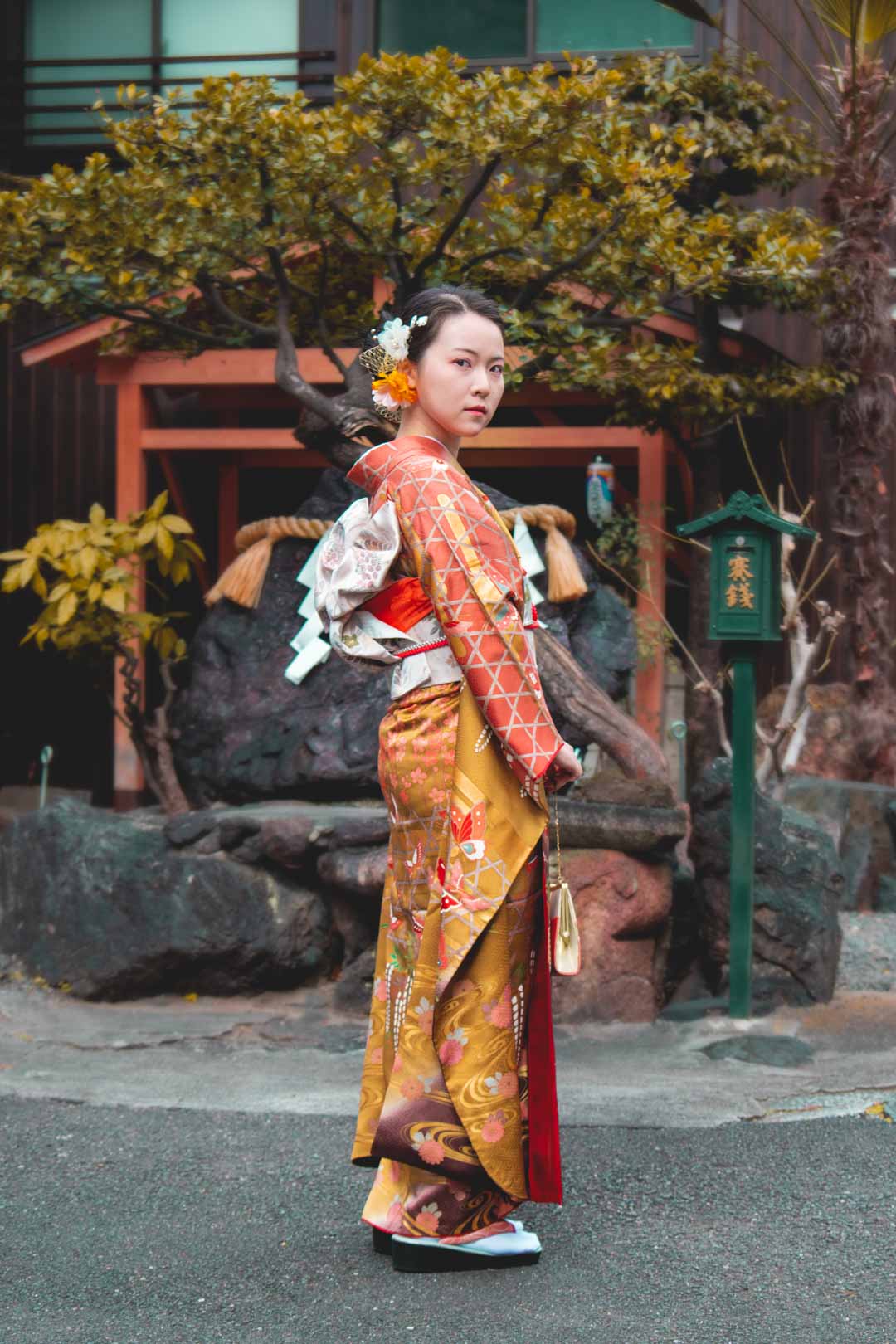
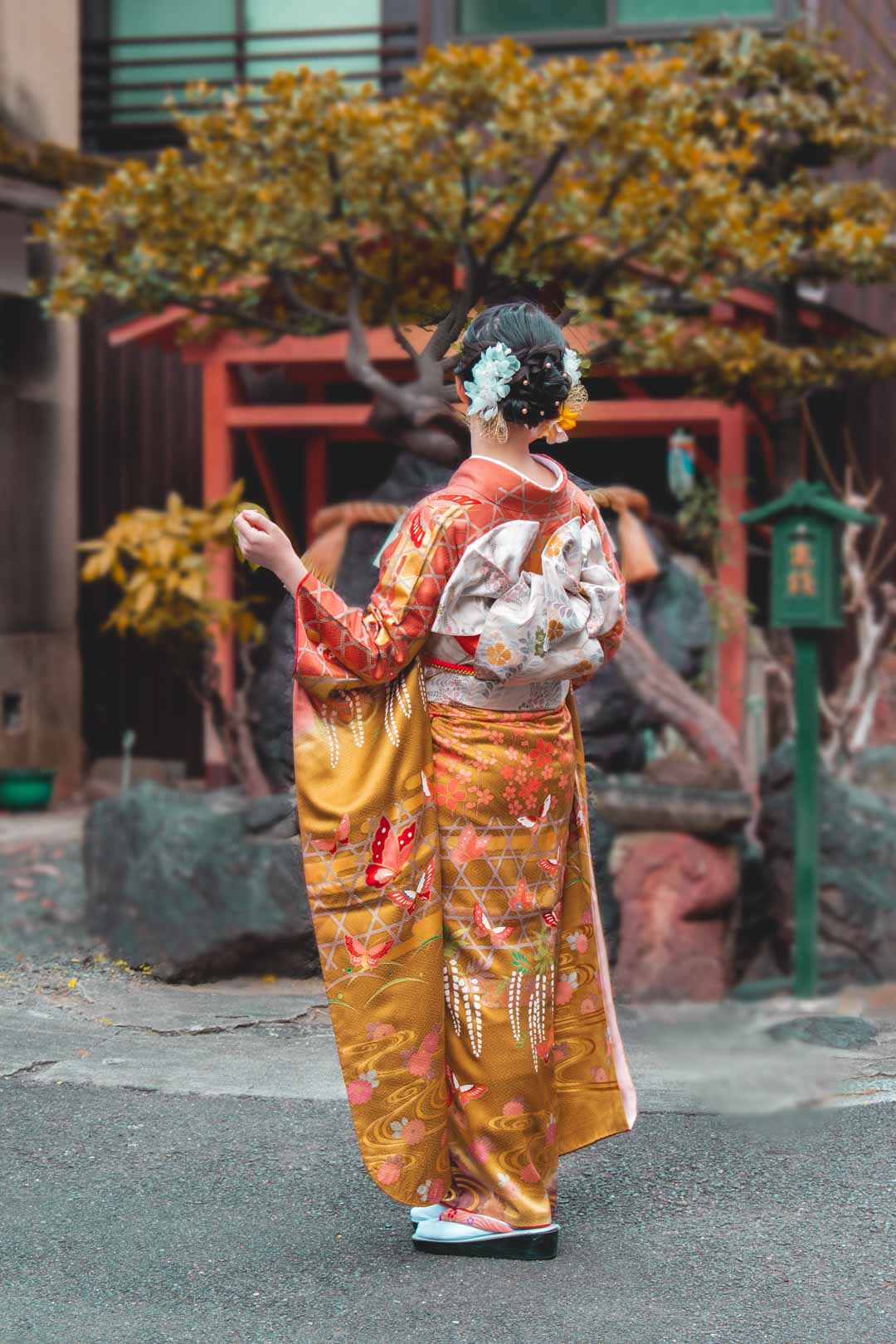
Among Japan's traditional garments, furisode is known as the most glamorous and prestigious kimono. This formal attire, characterized by its long sleeves, is worn by unmarried women as their highest formal dress for special occasions such as Coming-of-Age ceremonies, weddings, and graduation ceremonies. For tourists from abroad, wearing a furisode is not merely a costume experience, but a precious opportunity to touch the essence of Japan's traditional culture and aesthetic sensibility.
What is Furisode?
To understand furisode, it is important to know its historical background and cultural significance.
History and Origins of Furisode
The history of furisode dates back to the early Edo period:
- Early Edo Period (1600s): Young women began wearing kimono with long sleeves
- Meaning of sleeve length: Originally said to have meaning as a charm against evil and misfortune
- Symbol of status: A high-class garment worn by daughters of wealthy families
- Symbol of unmarried women: The sleeve length became a social marker indicating unmarried status
- Inheritance to the present day: Still worn today at important ceremonies and celebrations
Types of Furisode
Furisode are classified into three types based on sleeve length:
Ofurisode (Large Furisode)
- Sleeve length: 114cm or more (the longest)
- Formality: Highest formal dress
- Occasions: Weddings (bridal attire), Coming-of-Age ceremonies, high-formality ceremonies
- Features: Often adorned with luxurious embroidery and gold leaf decoration
Chufurisode (Medium Furisode)
- Sleeve length: Approximately 87cm–100cm
- Formality: Semi-formal dress
- Occasions: Coming-of-Age ceremonies, graduation ceremonies, wedding guests, parties
- Features: The most common type, with a good balance of ease of movement and glamour
Kofurisode (Small Furisode)
- Sleeve length: Approximately 76cm–87cm
- Formality: Casual formal dress
- Occasions: Graduation ceremonies (paired with hakama), casual parties
- Features: Easy to move in, also suitable for everyday events
Differences Between Furisode and Other Kimono
Differences from Houmongi
- Houmongi: Semi-formal dress that can be worn by both married and unmarried women
- Furisode: The highest formal dress worn only by unmarried women
- Sleeve length: Houmongi is about 49cm, furisode is 76cm or more
- Formality: Furisode is considered more formal
Differences from Tomesode
- Tomesode: The highest formal dress for married women (with short sleeves)
- Furisode: The highest formal dress for unmarried women (with long sleeves)
- Cultural meaning: From the custom of shortening the sleeves after marriage (tomeru = to stop/fix the sleeves)
Kimono no Obebe Furisode Rental Service
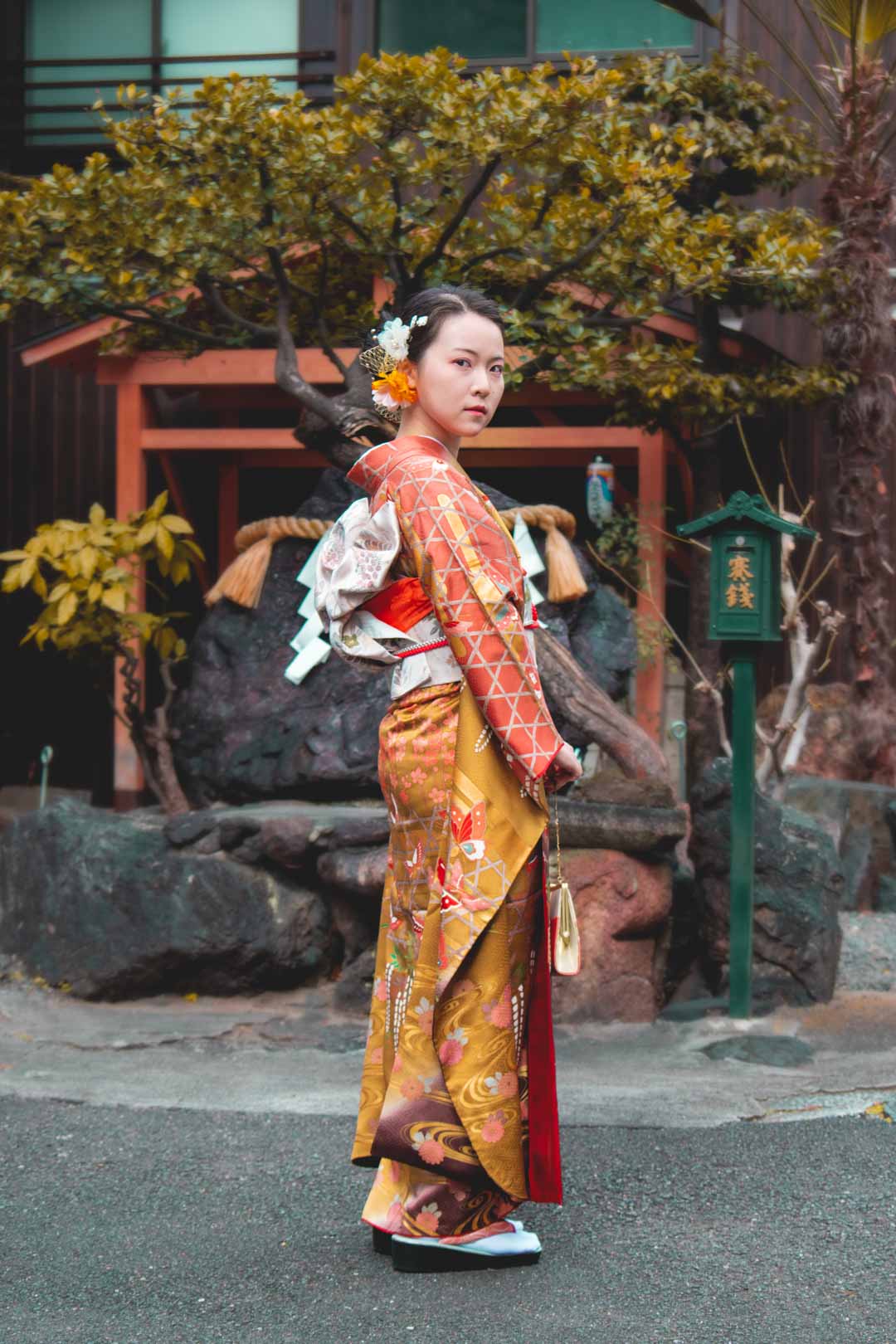
Located in the heart of Kyoto near Shijo Station, Kimono no Obebe offers authentic furisode experiences for tourists.
Features of Furisode Rental
Kimono no Obebe's furisode rental service offers a special experience that sets it apart from other shops:
Extensive Furisode Collection
- Diverse colors: Red, pink, blue, purple, green, black, and more — from traditional colors to modern shades
- Various patterns: From classic patterns (pine-bamboo-plum, cranes, flower carts) to modern designs
- Quality guaranteed: Authentic furisode made from pure silk
- Size range: A wide range of sizes to accommodate various body types
- Seasonal updates: Patterns suitable for each of the four seasons
Complete Dressing Service
Furisode dressing requires complex and specialized skills:
- Experienced dressers: Professionals with authentic dressing techniques
- Perfect appearance: Beautiful collar, precise obi knot, balanced silhouette
- Time required: Approximately 45–60 minutes (careful dressing)
- Consideration for comfort: Dressing that is not constricting even when worn for long periods
- Measures against dishevelment: Techniques to maintain a beautiful appearance during photography
Professional Hair and Makeup
Hairstyle and makeup befitting a furisode:
- Traditional hairstyles: Upstyle, braiding, Japanese-style arrangements
- Modern arrangements: Western glamorous styles also available
- Hair accessories: Wide selection including kanzashi, floral accessories, and tsumami zaiku
- Makeup: Elegant and glamorous makeup coordinated to match the furisode's color
- Time required: Approximately 30–45 minutes
Furisode Rental Plan Details
For detailed furisode rental plans, please see here.
Basic Plan
- Full furisode rental: Complete set including furisode, obi, obijime, obiage, nagajuban, and more
- Dressing service: Authentic dressing by a professional
- Full accessories: All necessary accessories including zori sandals, bag, and tabi socks
- Rental time: 4–8 hours (varies by plan)
Optional Services
- Hair set: Authentic hairstyle matched to the furisode
- Makeup: Kimono-coordinated Japanese-style makeup
- Photography package: Photography service by a professional photographer
- Extension option: Rental time extension available
Professional Photography Service
Photography plans to capture your furisode memories in the best way possible:
30-Minute Photo Plan (¥10,000)
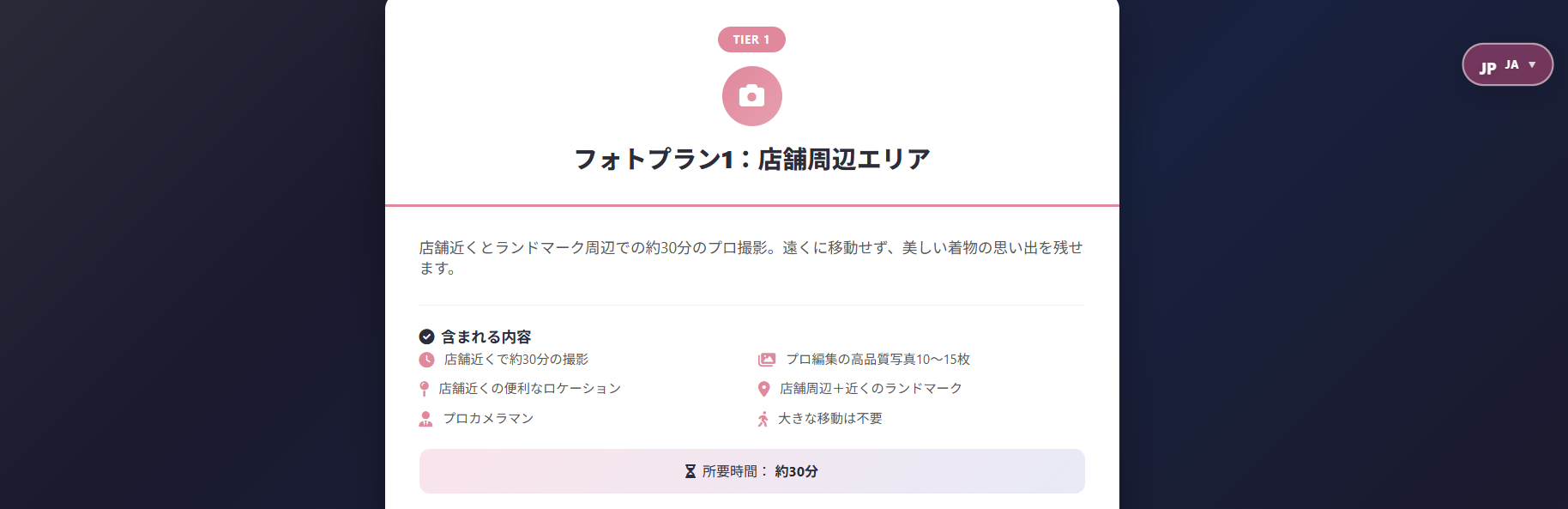
For details, please see here.
- Shooting time: 30 minutes
- Location: Beautiful locations around the shop
- Deliverables: 20–30 edited high-resolution photos
- Delivery time: Within 3–5 business days after shooting
- Best for: First-time furisode experience, tourists with limited time
4-Hour Photo Plan (¥25,000)
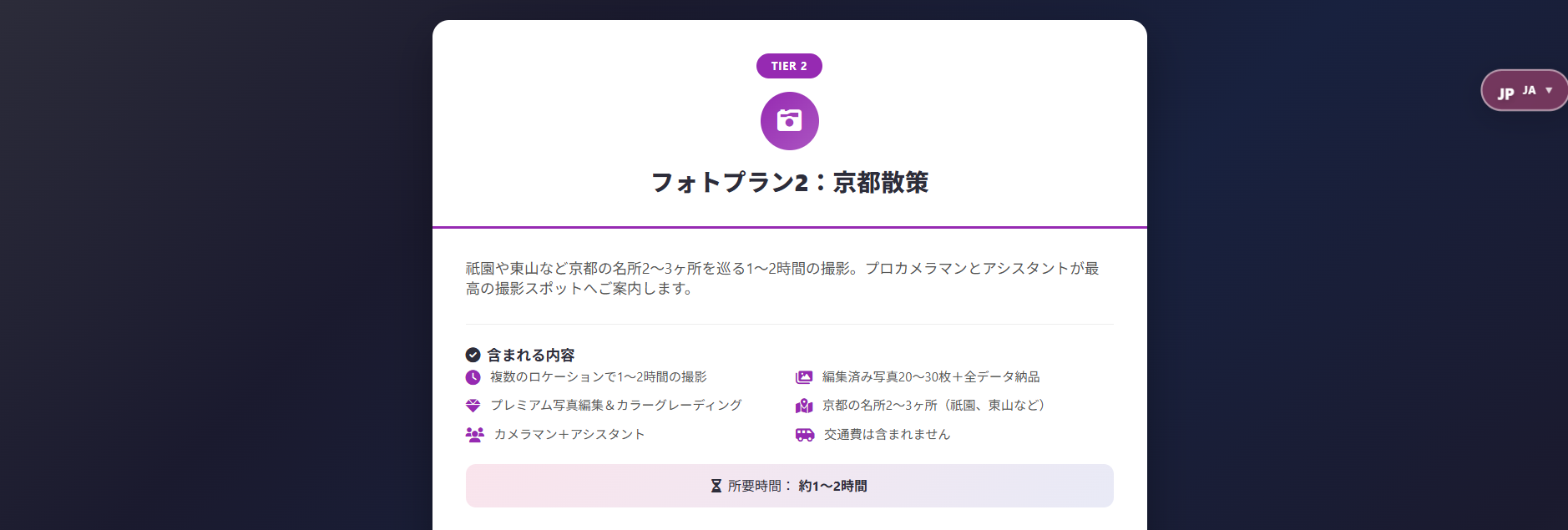
- Shooting time: 4 hours
- Location: 2–3 Kyoto landmarks (temples, shrines, gardens, traditional streets)
- Deliverables: 60–100 edited high-resolution photos
- Complete package: Furisode rental, dressing, hair and makeup, and photography all included
- Best for: Special anniversaries, those seeking authentic furisode photos
8-Hour Full Day Plan (¥50,000)

- Shooting time: 8 hours or more
- Location: Multiple Kyoto landmarks, optimal locations for the season
- Deliverables: 150+ edited high-resolution photos
- Premium service: Furisode change available, sunrise and sunset shooting
- Best for: Pre-wedding shoots, special memorial photography, those wanting a perfect photo album
Multilingual Support
A welcoming environment for foreign tourists:
- English-speaking staff: Resident English-speaking staff
- Furisode explanation: Detailed explanation of history, cultural significance, and the dressing process
- Photography location suggestions: Information on popular and hidden spots for tourists
- Manner guidance: Advice on how to walk, sit, and be photographed in furisode
- Reservations and inquiries: Email and phone correspondence available in English
Access from Shijo Station
Kimono no Obebe is ideally located for Kyoto sightseeing:
- 2–3 minutes' walk from Shijo Station: Excellent access from subway and train
- 3 minutes' walk to Nishiki Market: Enjoy street food at "Kyoto's kitchen"
- 5 minutes' walk to Gion: Perfect for photography in the traditional townscape
- 10 minutes' walk to Yasaka Shrine: A popular photography spot
- 15 minutes by bus to Kiyomizudera Temple: One of Kyoto's most iconic tourist attractions
Pricing Structure
Kimono no Obebe maintains the best prices for all seasons:
- Transparent pricing: No hidden additional charges
- No seasonal surcharges: Prices remain the same even during cherry blossom and autumn foliage seasons
- Package plans: Value packages combining furisode rental and photography
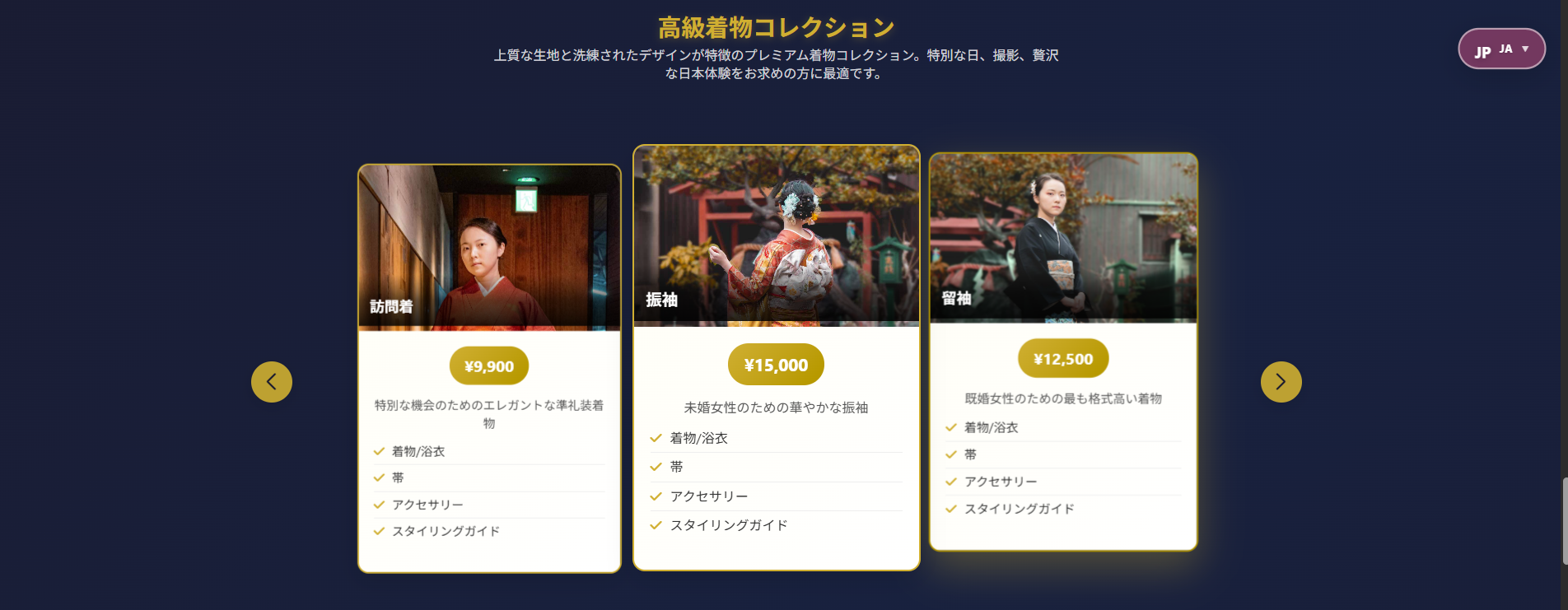
- Detailed price list: Available on the plans list page
How to Make a Reservation
- Website: kimononoobebe.love
- Inquiries: Reservations and questions via the contact page
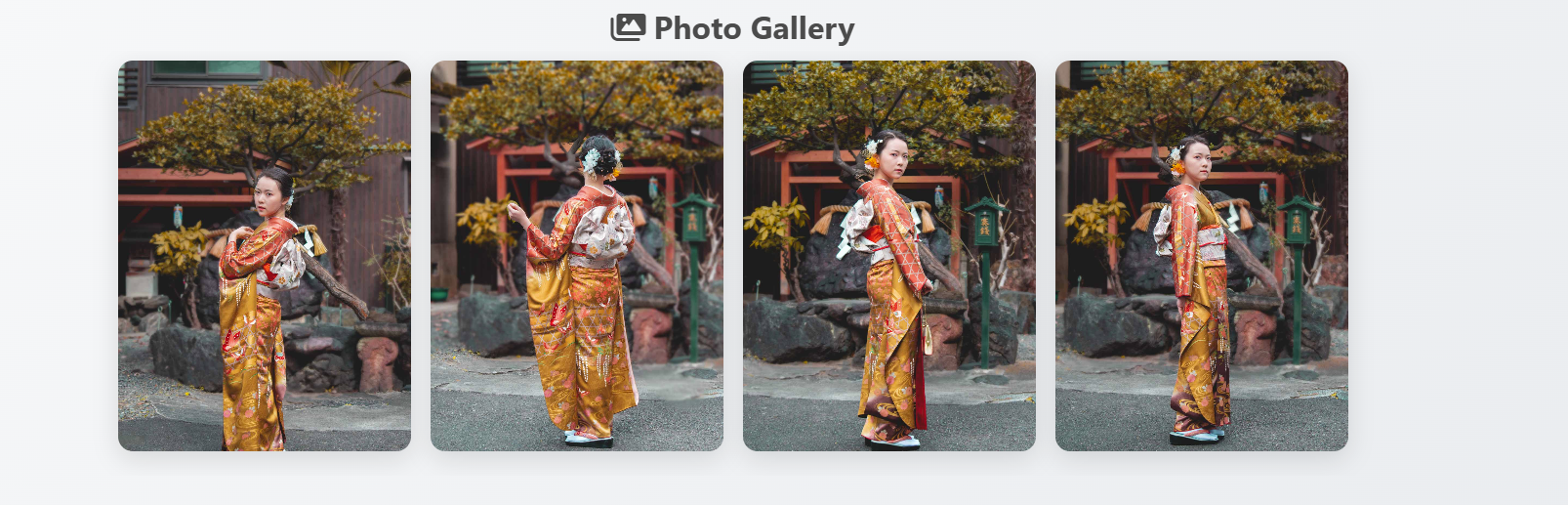
- Guest Gallery: View actual guest photos
- Instagram: Latest information at @kyoto_kimonorental_noobebe
- Advance reservation recommended: Especially during cherry blossom and autumn foliage seasons, 3–4 weeks in advance is recommended
Meaning of Furisode Colors and Patterns
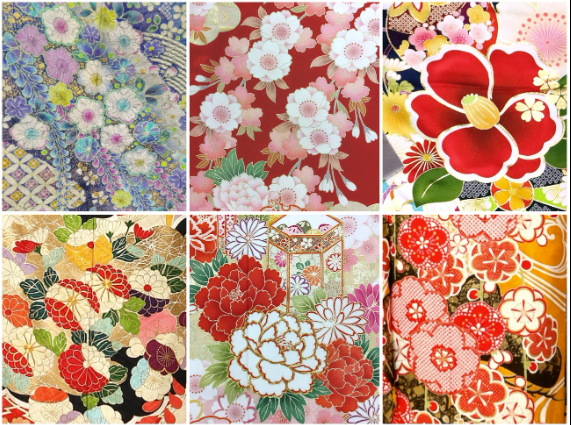
When choosing a furisode, understanding the meaning behind the colors and patterns is important.
Meaning of Traditional Colors
Red (Aka)
- Meaning: Vitality, passion, protection from evil, good fortune
- Impression: Vibrant and youthful, the most popular furisode color
- Suitable occasions: Coming-of-Age ceremonies, weddings, celebratory occasions
- Personality: Creates a bright and positive impression
Pink (Momoiro)
- Meaning: Youth, cuteness, gentleness, peach blossom (longevity)
- Impression: Soft and feminine
- Suitable occasions: Coming-of-Age ceremonies, spring events, photography
- Personality: Gentle and calm impression
Blue (Ao) / Light Blue (Mizuiro)
- Meaning: Intelligence, composure, freshness, sincerity
- Impression: Fresh and modern, growing in popularity in recent years
- Suitable occasions: Coming-of-Age ceremonies, graduation ceremonies, modern photography
- Personality: Intelligent and calm impression
Green (Midori)
- Meaning: Growth, harmony, nature, health
- Impression: Calm dignity, distinctive
- Suitable occasions: Spring and early summer events, photography in nature
- Personality: Gentle and strong-willed impression
Purple (Murasaki)
- Meaning: Nobility, elegance, mystery, historically a color of high rank
- Impression: Dignified and refined
- Suitable occasions: High-formality ceremonies, sophisticated photography
- Personality: Elegant and sophisticated impression
Black (Kuro)
- Meaning: Formality, dignity, modernity
- Impression: Chic and mature, showcases gold and silver embroidery beautifully
- Suitable occasions: Formal ceremonies, distinctive photography
- Personality: Creates a composed and strong impression
White (Shiro) / Cream
- Meaning: Purity, cleanliness, new beginnings
- Impression: Pure and elegant, relatively rare
- Suitable occasions: Weddings (bridal attire), special memorial photography
- Personality: Pure and dignified impression
Meaning of Traditional Patterns
Classic Patterns
Shochikubai (Pine, Bamboo, and Plum)
- Meaning: Symbol of good fortune, strength that does not yield to adversity
- Pine: Longevity, immortality
- Bamboo: Sincerity, growth
- Plum: Integrity, perseverance
- Suitable occasions: Coming-of-Age ceremonies, weddings, high-formality ceremonies
Crane (Tsuru)
- Meaning: Longevity, marital harmony, grace
- Thousand-year crane: A lucky bird said to live a thousand years
- Design: Elegantly flying figure, wings spread wide
- Suitable occasions: Weddings, Coming-of-Age ceremonies, celebratory occasions
Peony (Botan)
- Meaning: Wealth, happiness, nobility
- Queen of flowers: Popular for its luxurious and glamorous appearance
- Design: Large blooms, glossy leaves
- Suitable occasions: Coming-of-Age ceremonies, wedding receptions, spring events
Cherry Blossom (Sakura)
- Meaning: Beauty, ephemerality, new beginnings
- Symbol of Japan: The most beloved flower as the national flower
- Design: Full blooms, falling petals, branch cherry blossoms
- Suitable occasions: Spring Coming-of-Age ceremonies, graduation ceremonies, spring photography
Chrysanthemum (Kiku)
- Meaning: Nobility, longevity, good health
- Imperial crest: A flower of high prestige
- Design: Large blooms, scattered small chrysanthemum pattern
- Suitable occasions: Autumn events, high-formality ceremonies
Modern Patterns
Rose (Bara)
- Meaning: Love, beauty, passion
- Modern impression: Fusion of Western and Japanese styles
- Design: Bold rose arrangements, realistic depictions
- Suitable occasions: Modern photography, parties
Geometric Patterns
- Meaning: Modern, refined, individuality
- Design: Stripes, checks, Art Deco style
- Suitable occasions: Distinctive photography, modern events
Choosing Patterns by Season
Spring (March–May)
- Cherry blossoms, plum, peony, wisteria, butterflies
- Pastel colors, bright tones
- Glamorous patterns celebrating new beginnings
Summer (June–August)
- Morning glory, hydrangea, goldfish, waves
- Cool blues and whites, light colors
- Refreshing designs
Autumn (September–November)
- Chrysanthemum, autumn leaves, bush clover, balloon flower
- Deep reds, oranges, and browns
- Patterns representing abundance and harvest
Winter (December–February)
- Plum, camellia, pine, snow rings
- Deep colors, gold and silver decorations
- Patterns expressing composed beauty
Kyoto Sightseeing Guide in Furisode
A complete guide to sightseeing in Kyoto while wearing a furisode.
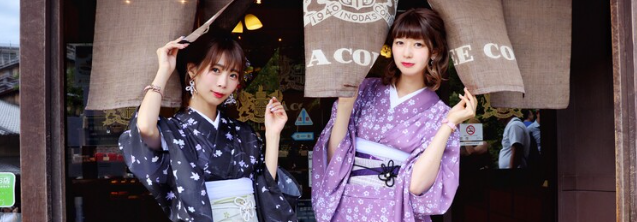
Best Spots for Furisode Photography
Gion / Higashiyama Area
Yasaka Shrine
- Access: 10 minutes' walk from Shijo Station
- Photo points: Vermilion main hall, large torii gate, stone steps
- Crowds: Relatively uncrowded in the morning
- Compatibility with furisode: Beautiful contrast between the red buildings and furisode colors
Kiyomizudera Temple
- Access: 15 minutes by bus from Shijo Station
- Photo points: Main hall stage, three-story pagoda, stone-paved approach
- Features: Representative tourist destination of Kyoto, World Heritage Site
- Notes: Many slopes and stairs, early morning visit recommended
Ninenzaka and Sannenzaka
- Access: Stone-paved slope leading to Kiyomizudera Temple
- Photo points: Traditional townhouses, stone paving, lanterns
- Compatibility with furisode: Kyoto-esque scenery, Instagram-worthy spots
- Notes: Many tourists, be careful on stairs
Hanamikoji
- Access: 5 minutes' walk from Shijo Station
- Photo points: Main street of Gion, ochaya teahouse buildings
- Features: Traditional street where maiko walk
- Best time: Evening, when the lanterns are lit
Arashiyama Area
Bamboo Grove Path
- Access: 30 minutes by train from Shijo Station
- Photo points: Bamboo tunnel, contrast between green and furisode
- Features: Fantastical atmosphere, world-famous
- Best time: Early morning (before 8am), fewer people
Togetsukyo Bridge
- Photo points: Bridge with Arashiyama as backdrop
- Features: Especially beautiful during cherry blossom and autumn foliage seasons
- Spacious area: Ideal for full-body furisode photos
Kitayama Area
Kinkakuji (Golden Pavilion)
- Access: 30 minutes by bus from Shijo Station
- Photo points: Golden Pavilion and pond, snowy landscape (winter)
- Features: Golden building harmonizes with the glamour of furisode
- Notes: Very crowded, early morning recommended
Ryoanji Temple
- Photo points: Rock garden, veranda of the hojo
- Features: Zen aesthetics, simple and refined backdrop
- Compatibility with furisode: Contrast between the glamorous furisode and the quiet garden
Fushimi Area
Fushimi Inari Taisha Shrine
- Access: 20 minutes by train from Shijo Station
- Photo points: Tunnel of thousand torii gates
- Features: Beautiful colors between the vermilion torii gates and furisode
- Notes: Mountain paths, recommended for those with energy to spare
Tips for Moving and Behaving in Furisode
Basic Walking Tips
- Take small steps: As furisode has a long hem, use small strides
- Toes slightly inward: Walking slightly pigeon-toed looks elegant
- Hold the front hem: On stairs, lightly hold the upper front of the kimono with your right hand
- Keep your back straight: Good posture creates a beautiful silhouette
- Don't rush: Slow, deliberate movements suit furisode
Sitting
- When sitting on a chair: Fold the sleeves over your knees
- Sit shallowly: Don't lean against the backrest to avoid crushing the obi
- Keep both knees together: Don't cross your legs
- Handling sleeves: Be careful not to let the long sleeves touch the floor
Going Up and Down Stairs
- Going up: Lightly lift the upper front of the kimono with your right hand
- Going down: Lightly press the front with both hands and descend carefully
- Use the handrail: Safety first, be careful not to fall
- One step at a time: Don't rush, take it slowly
Dining in Furisode
- Use a napkin: Place a large napkin over your knees and collar
- Hold your sleeves: Use a sleeve clip or hold them back with your other hand
- Don't lean forward: Lift tableware to eat
- Foods to avoid: Curry, ramen, and other dishes prone to splashing
- Recommended foods: Kaiseki cuisine, sushi, tempura, and other refined Japanese cuisine
Using the Restroom
- Ask in advance: Ask staff how to manage when being dressed
- Choose Western-style: Western-style toilets are easier than Japanese-style
- Gather sleeves: Tuck them in the obi or clip them
- Allow extra time: It takes 2–3 times longer than usual
- Check for dishevelment: Always check in a mirror after using the restroom
Furisode Experiences by Season
Spring (March–May)
- Highlights: Cherry blossoms, fresh greenery, wisteria
- Recommended spots: Maruyama Park, Heian Shrine, Philosopher's Path
- Climate: Comfortable temperatures, many sunny days
- Crowds: Very crowded during cherry blossom season
- Reservation: 4–6 weeks in advance recommended
Summer (June–August)
- Highlights: Fresh green maple, Gion Festival, riverside dining
- Climate note: High heat and humidity
- Measures: Frequent hydration, use of parasol
- Recommended: Early morning or evening photography
- Alternative: Yukata rental is also recommended in summer
Autumn (September–November)
- Highlights: Autumn foliage, autumn flowers
- Recommended spots: Eikando, Tofukuji, Arashiyama
- Climate: Ideal temperatures for photography
- Crowds: Second most crowded after spring during foliage season
- Reservation: 3–4 weeks in advance recommended
Winter (December–February)
- Highlights: Snowy landscape, winter tranquility
- Recommended spots: Kinkakuji (snow-covered), Kifune Shrine
- Climate: Cold weather measures needed
- Benefits: Fewer tourists, relaxed photography
- Warmth: Haori jacket, shawl, hand warmers
Poses and Tips for Photography
Basic Poses
Standing
- Turn your body diagonally (avoid facing directly forward)
- Stand with one foot slightly pulled back
- Gracefully spread your sleeves
- Be conscious of elongating your neck
- Maintain a soft expression
Walking Pose
- Gesture of lightly lifting the upper front hem
- Looking back over your shoulder composition
- Make use of sleeves swaying in the breeze
- Back view walking on stone pavement
Sitting Pose
- Sit on a veranda or stone steps
- Sit with knees together
- Beautifully arrange sleeves over your knees
- Gaze into the distance
Using Accessories as Props
- Japanese umbrella: Picturesque not only in rain but also on sunny days
- Fan (sensu): An essential furisode accessory, various ways to hold it
- Bag: Elegantly styled with a small Japanese-style bag
- Hair accessories: Seasonal flowers and traditional kanzashi
Expression Variations
- Smile: Natural, soft smile
- Serious expression: Composed beauty
- Profile: Japanese-style modesty
- Gaze: Looking at the camera, looking into the distance, downcast eyes
Preparing for Furisode Rental
A preparation guide to make the most of your furisode experience.
When to Make a Reservation
- Peak season (cherry blossoms / autumn foliage): 4–6 weeks in advance
- Regular season: 2–3 weeks in advance
- Last-minute reservations: Same-day reservations may be possible if availability exists
- Coming-of-Age ceremony season: Around January, reserve especially early
What to Communicate When Reserving
- Desired date and time: First through third choices
- Rental time: 4 hours, 8 hours, etc.
- Photography: Photography package preference
- Preferred color / pattern: Communicate general preferences
- Planned destinations: For reference on travel distance
- Number of people: For friends or couples
- Special requests: Allergies, health considerations, etc.
Day-of Preparation
Clothing
- Underwear: White or beige, plain, no lace
- Inner: U-neck or camisole (nothing visible at the neckline)
- Stockings: Thin skin-tone stockings
- Hair: Wash the day before, come with nothing applied on the day
- Makeup: Light or bare-faced (if having makeup done at the shop)
- Accessories: Items that are easy to remove; avoid large earrings
What to Bring
- Identification: Passport, driver's license, etc.
- Reservation confirmation: Screenshot of email or SMS
- Smartphone: Fully charged
- Portable charger: Essential for long photography sessions
- Small bag: For personal items that won't appear in photos
- Handkerchief and tissues: Japanese pattern designs recommended
- Band-aids: In case your feet get sore from the zori sandals
- Touch-up cosmetics: Minimal cosmetics
Things to Avoid
- Excessive tanning: Red skin from sunburn before dressing
- Strong perfume: May transfer scent to the furisode
- Nail art: Overly flashy nails may not match the furisode
- Drinking the night before: Can cause swelling
- Eating right before: A full stomach makes obi tying uncomfortable
Flow of Rental Day
Sample Time Schedule (4-Hour Rental)
- 9:00: Arrive and check in (10 minutes)
- 9:10: Choose furisode (20–30 minutes)
- 9:40: Dressing begins (45–60 minutes)
- 10:40: Hair set and makeup (30–45 minutes)
- 11:25: Final check and photo confirmation (5 minutes)
- 11:30: Depart
- 11:30–15:00: Sightseeing and photography
- 15:00: Return
Notes During Dressing
- Relax: Don't tense up, stay natural
- Breathe: Take deep breaths and relax
- If it hurts: Tell staff immediately
- Questions: Don't hesitate to ask about anything you don't understand
- Photography: Taking photos during dressing is OK (confirm in advance)
Cultural Significance of Furisode
Understanding the deep meaning of wearing furisode makes for a richer experience.
Coming-of-Age Ceremony and Furisode
In Japan, the Coming-of-Age ceremony celebrating young people who have reached age 20 (18 since 2022) is held every January:
- Wearing furisode: It is tradition for women to wear furisode at the Coming-of-Age ceremony
- First step into adulthood: Entering adulthood in the most formal attire for an unmarried woman
- Gratitude to parents: An expression of thanks to family who watched over one's growth
- Commemorative photography: Preserving this once-in-a-lifetime moment in photos
- Social ritual: An opportunity to gain awareness as a member of the local community
Weddings and Furisode
- Unmarried female guests: Attending a friend's or relative's wedding in furisode
- Bridal attire: Ofurisode is also used as bridal wear
- Differences from uchikake: Furisode has long sleeves, uchikake is a draped style
- Expression of formality: Expressing congratulations in the finest attire
Social Significance of Furisode
- Symbol of unmarried status: Long sleeves represent a woman before marriage
- Youth and glamour: Symbol of the most brilliant period of one's life
- Family bond: Sometimes passed down from mother to daughter
- Cultural inheritance: Japanese culture passed down across generations
- Memory of special days: An important garment that adorns life's milestones
Learning Japanese Culture Through Furisode
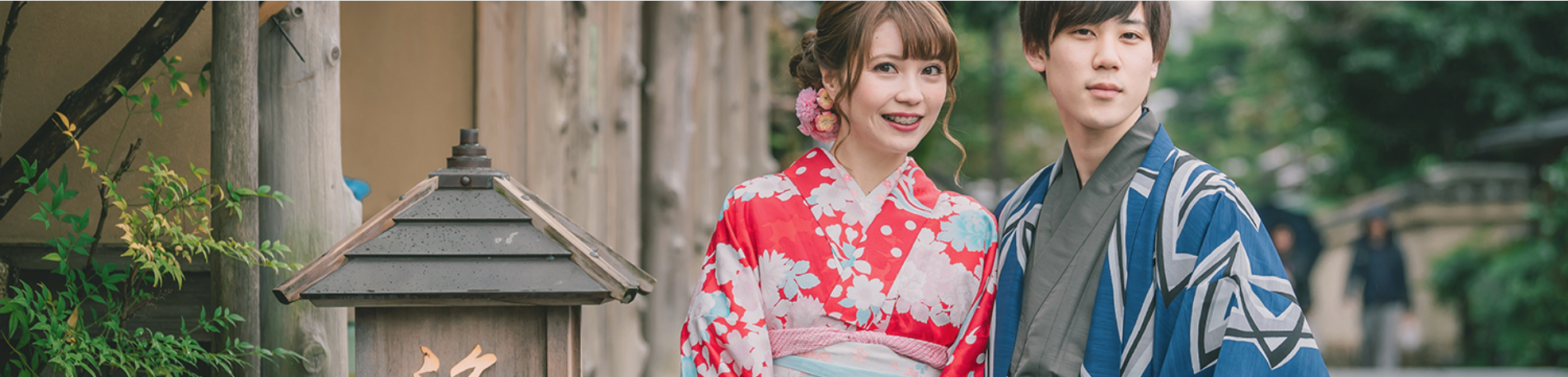
Color Aesthetics
- The richness of Japan's traditional colors
- A sensibility that values the feeling of the seasons
- An aesthetic that prizes harmony
Craft Techniques
- Dyeing: Traditional techniques such as Yuzen dyeing and shibori
- Embroidery: Delicate decoration by hand embroidery
- Gold leaf: Luxurious processing using gold foil and gold thread
- Shibori: Advanced techniques such as total shibori (soshibori)
Deportment and Etiquette
- Wearing kimono naturally cultivates beautiful deportment
- The beauty of slow, deliberate movements
- Humble and modest demeanor
- Consideration and thoughtfulness toward others
Advice for Foreign Tourists
Tips for visitors from abroad to make the most of their furisode experience.
Cultural Considerations
- Attitude of respect: An attitude of respect for Japanese traditional culture is important
- Photography etiquette: Follow photography rules at shrines and temples
- Consideration for locals: Avoid blocking traffic
- Handling the furisode: Understand that it is a valuable garment and treat it carefully
Communication
- Basic Japanese: "Arigatou" (thank you), "Sumimasen" (excuse me), etc.
- Translation apps: Prepare Google Translate, etc.
- Gestures: Communicate with smiles and gestures
- Show photos: Convey your desired style via photos
Practical Advice
About Body Type
- Furisode can accommodate various body types
- Dressing techniques create a beautiful silhouette
- Can be worn regardless of height
- Consult staff in advance if you have any concerns
Ensuring Comfort
- Take breaks: Rest frequently at cafes and rest areas
- Don't push yourself: Return early if tired
- Stay hydrated: Be especially careful of heatstroke in summer
- Footwear: Prepare band-aids if not used to zori sandals
Weather Measures
- Rain: Rent a Japanese umbrella, or reschedule the shoot for another day
- Extreme heat: Consider early morning or evening photography
- Cold: Keep warm with a haori jacket or shawl
- Wind: Watch for disheveled hair, consult staff
About Budget
Basic Costs
- Furisode rental: Varies by plan
- Dressing and hair / makeup: Often included in the package
- Photography: ¥10,000–¥50,000 (optional)
- Detailed pricing: Available on the price list
Possible Additional Costs
- Transportation: Getting to tourist spots
- Admission fees: Temple and shrine entrance fees (approximately ¥300–¥600)
- Meals: Restaurants and cafes
- Extension fees: If you exceed the scheduled time
- Cleaning fees: If damaged (not required for normal use)
Souvenirs and Keepsakes
- Photo data: Received in digital format, shareable on social media
- Print photos: High-quality prints available as an option
- Photo album: As a special keepsake
- Small souvenir items: Purchasing hair accessories, fans, etc. may also be possible (check in advance)
Frequently Asked Questions (FAQ)

Q1: What is the difference between furisode and kimono?
A: Furisode is a type of kimono and the most formal kind. The main differences are:
- Sleeve length: Furisode is 76cm or more, regular kimono is about 49cm
- Who wears it: Furisode is only for unmarried women, kimono is for both married and unmarried
- Formality: Furisode is the highest formal dress, kimono varies by type
- Occasions: Furisode is for special occasions like Coming-of-Age ceremonies and weddings
Q2: Can foreigners wear furisode?
A: Yes, of course! Anyone can wear furisode:
- Kimono no Obebe welcomes foreign tourists
- Multilingual staff provide attentive support
- Accommodates various body types and heights
- Very popular as a cultural experience
Q3: How long is the furisode rental period?
A: It varies by plan:
- Short plan: About 4 hours
- Standard plan: 6–8 hours
- Extension option: Extension available for an additional fee
- Flexible arrangements by consultation
Q4: Can furisode be worn on a rainy day?
A: It is possible, but there are some points to note:
- Japanese umbrella rental is recommended (creates a nice atmosphere too)
- Care is needed to prevent the hem from getting wet
- Consider using indoor photography spots
- Reservation changes are possible in heavy rain (subject to consultation)
Q5: Is it difficult to wear furisode?
A: Staff will take care of all the dressing:
- Guests don't need to do anything
- Completed in about 45–60 minutes
- Advice on how to move and conduct yourself is also available
- First-timers can feel at ease
Q6: Is photography included?
A: It varies by plan:
- There are plans with rental only
- There are also photography-included packages (from ¥10,000)
- See photography plan details for more information
- A professional photographer will take the best photos
Q7: Are there hairstyles that suit furisode?
A: We will suggest the best hairstyle for your furisode:
- Traditional upstyle
- Modern arranged hairstyle
- Set including hair accessories
- Hair set takes about 30–45 minutes
Q8: Is it possible to use the service as a couple or group of friends?
A: Yes, group use is very welcome:
- Couple plans available (furisode + men's kimono)
- Popular for groups of friends
- Group discounts may be available (check in advance)
- Enjoy sightseeing in Kyoto together
Q9: Can reservations be cancelled?
A: There is a cancellation policy:
- Contact Kimono no Obebe directly for details
- Earlier notification is preferred
- Special circumstances such as bad weather can be discussed
- Inquire via the contact page
Q10: What happens if I stain the furisode?
A: Minor soiling within the scope of normal use is not a problem:
- Cleaning fees not required for minor soiling
- Cleaning fees may be required for serious damage
- Check whether an insurance option is available
- Handle with care and there will be no problems
Summary: A Special Kyoto Experience in Furisode
Furisode is the most glamorous and prestigious kimono, representing the essence of Japanese traditional culture. Experiencing this special garment in Kyoto — worn by unmarried women as their highest formal dress at important life milestones such as Coming-of-Age ceremonies and weddings — will become an unforgettable memory for tourists.
At Kimono no Obebe near Shijo Station, a complete service is provided in one package: authentic furisode rental, professional dressing, beautiful hair and makeup, and photography by a professional photographer. Multilingual staff will carefully explain the history and cultural significance of furisode, how to wear it, and photography spots, so even foreign tourists can experience Japanese traditional culture with confidence.
Walking through the ancient capital of Kyoto in furisode is a special experience, as if time-traveling. The stone pavements of Gion, the stage of Kiyomizudera, the bamboo groves of Arashiyama, the thousand torii gates of Fushimi Inari — capturing yourself dressed in Japan's most glamorous traditional garment at these beautiful locations will surely become a lifelong treasure.
Cherry blossoms in spring, fresh greenery in summer, autumn foliage in fall, snowy landscapes in winter — photos in which the beauty of Kyoto in each of the four seasons harmonizes with the glamour of furisode will generate great response on social media. But even more importantly, experiencing and feeling the depth and beauty of Japanese traditional culture for yourself is what truly matters.
Wearing furisode is not merely a costume experience. It is a deep cultural experience that touches Japan's aesthetic sensibility, the beauty of deportment, the techniques of traditional crafts, and the Japanese spirit of celebrating life's milestones.
Make a reservation for a furisode experience at Kimono no Obebe and create a special day in Kyoto.
Website: kimononoobebe.love
Furisode plan details: Furisode rental page
Photography plans: Photography service details
All plans: Pricing and plans
Guest testimonials: Guest gallery
Contact: Contact page
Instagram: @kyoto_kimonorental_noobebe
We hope your furisode experience in Kyoto becomes the most beautiful and unforgettable memory of your life.