Don't Do This in Kyoto: Essential Kimono Etiquette and Cultural Mistakes to Avoid
Don't do this in Kyoto—a phrase that should guide every visitor's journey through Japan's cultural capital, especially when wearing traditional kimono. While Kyoto welcomes millions of international tourists annually, certain behaviors can cause offense, create safety issues, or disrespect the city's living cultural heritage. Understanding what not to do in Kyoto when wearing kimono ensures your experience honors Japanese traditions, respects local residents, and creates positive cultural exchange rather than contributing to overtourism problems.
Critical Don'ts: Kimono Wearing Mistakes
Before exploring Kyoto's streets in traditional dress, understand these fundamental kimono-wearing errors that signal cultural ignorance or disrespect.
Don't Wrap Right Over Left
The single most serious kimono mistake:
- Correct way: Left side wraps over right side when viewed from the wearer's perspective
- Wrong way: Right over left is exclusively for dressing deceased persons for burial
- Why it matters: This isn't a minor fashion faux pas—it's deeply associated with death and funerals
- How to remember: Your left hand should be able to slip inside the front opening easily
- What to do: Professional rental shop staff always dress you correctly, but check before leaving
If you notice your kimono wrapped incorrectly, return to your rental shop immediately for adjustment. This mistake causes visible discomfort to Japanese people who recognize the significance.
Don't Treat Kimono Like a Costume
Kimono represents living culture, not historical costume:
- Don't: Refer to it as a "costume" or "dress-up"
- Don't: Wear it mockingly or with exaggerated "geisha" stereotypes
- Don't: Combine it with inappropriate accessories (sunglasses on head, sneakers, modern backpacks)
- Don't: Treat it carelessly—dragging hems, sitting on dirty surfaces, rough handling
- Do: Approach it as participating in living tradition with genuine respect
Don't Dishevel Your Kimono for "Relaxed" Photos
Intentionally messy wearing disrespects the garment:
- Don't pull collars open to expose chest or shoulders
- Don't hike up the hem excessively showing too much leg
- Don't loosen the obi for casual appearance
- Don't create "sexy" or provocative poses that contradict kimono's modest elegance
- Maintain the neat, composed appearance that defines proper kimono wearing
Don't Forget to Remove Outdoor Shoes
Footwear etiquette extends beyond kimono-specific rules:
- Remove shoes before entering temples, shrines, traditional restaurants, and tea houses
- Never wear geta or zori inside buildings requiring shoe removal
- Align shoes neatly facing outward after removal
- Wear clean socks or tabi—holes or dirt show disrespect
- Don't step on the threshold (doorway frame) in Japanese buildings
Don't Do This: Temple and Shrine Behavior

Sacred sites require particular awareness and respect, especially when you're dressed in traditional attire representing Japanese culture.
Don't Block Entrances and Pathways for Photos
The overtourism photo problem:
- Don't: Stand in temple gates blocking worshippers and other visitors
- Don't: Occupy prime viewing spots for extended photo sessions
- Don't: Spread out props, tripods, or groups across walkways
- Don't: Ignore requests from staff or locals to move
- Do: Take photos quickly and considerately, then step aside
- Do: Use less crowded areas for longer sessions
Many temples now restrict photography in certain areas precisely because tourist behavior became disruptive. Respecting space and flow prevents further restrictions.
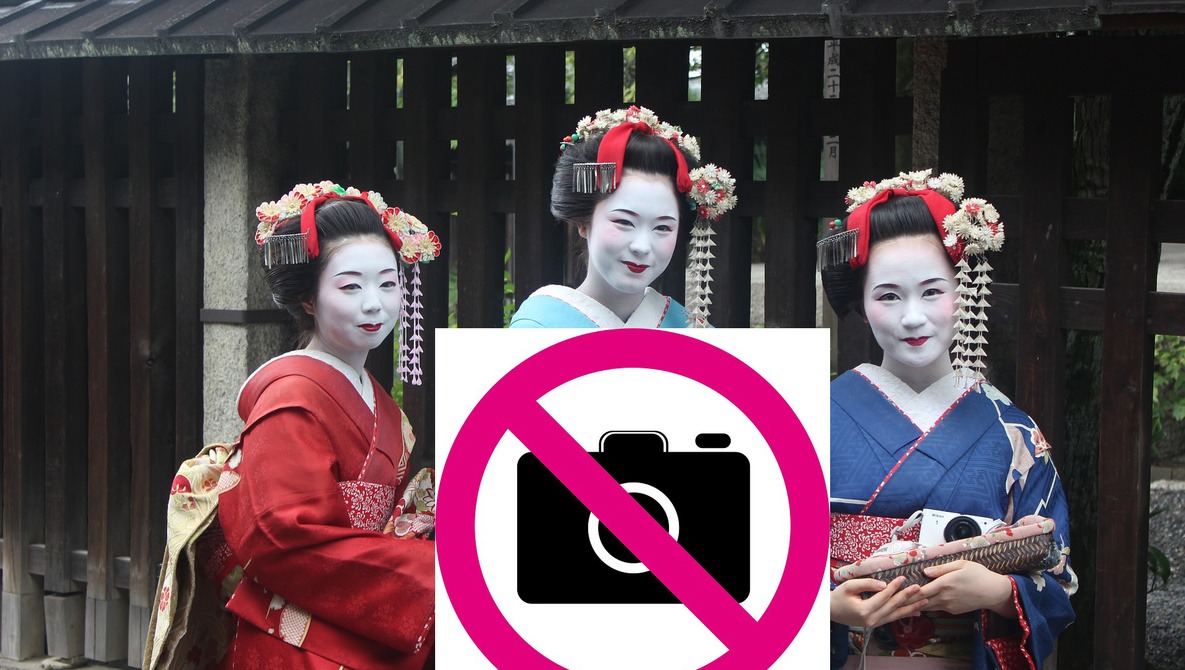
Don't Ignore Photography Restrictions
When signs say no photos, they mean it:
- Don't: Photograph inside temple halls where prohibited
- Don't: Use flash photography near sacred objects or artworks
- Don't: Sneak photos when staff aren't looking
- Don't: Argue that "everyone else is doing it"
- Why restrictions exist: Religious sanctity, artwork preservation, crowd management
- Consequences: Staff may confiscate photos, ask you to leave, or report serious violations
Don't Touch Sacred Objects or Decorations
Hands-off approach essential:
- Don't touch temple bells unless invited to ring them properly
- Don't lean on historic wooden structures or railings
- Don't pick flowers, leaves, or moss from gardens
- Don't move or rearrange decorative elements for photos
- Don't climb on statues, lanterns, or architectural features
Don't Disrupt Worshippers
Remember these are active religious sites:
- Don't: Talk loudly near people praying or meditating
- Don't: Position yourself between worshippers and sacred objects
- Don't: Mock or laugh at religious practices you don't understand
- Don't: Photograph people praying without permission
- Do: Observe quietly and move around prayer areas respectfully
Don't Skip Purification Rituals
When using water basins at shrine entrances:
- Don't: Drink from the ladles or put them in your mouth
- Don't: Splash water playfully or use it to cool off
- Don't: Skip the ritual entirely if you're entering the main shrine area
- Correct procedure: Take ladle with right hand, rinse left hand, switch hands and rinse right, pour water in left palm to rinse mouth, rinse left hand again, tilt ladle vertical to rinse handle
Don't Do This: Gion District Mistakes
Don't Chase or Harass Geisha and Maiko
The most serious Gion problem:
- Don't: Run after geisha or maiko trying to get photos
- Don't: Block their path demanding pictures
- Don't: Touch their kimono or hair ornaments
- Don't: Follow them to their appointments
- Don't: Shout at them or make demands
- Reality: They're professionals heading to work, not tourist attractions
- Consequence: Kyoto implemented fines and restrictions due to tourist harassment
If you respectfully see geisha or maiko from a distance, a polite bow and staying out of their way shows appropriate respect. They may acknowledge you kindly when not rushed.
Don't Enter Private Properties
Gion is a residential and business neighborhood:
- Don't: Walk into tea houses or ochaya (they're private clubs)
- Don't: Peek into windows or doorways
- Don't: Enter small alleys marked as private
- Don't: Photograph residents in their homes or yards
- Don't: Treat the neighborhood as an open museum
Don't Sit or Loiter on Private Property
Resting spots should be public:
- Don't sit on private steps, walls, or doorways
- Don't block business entrances while taking breaks
- Don't use private parking areas for photo shoots
- Respect "No Trespassing" and "Private Property" signs even if others ignore them
Don't Create Noise Disturbances
Gion residents endure constant tourism stress:
- Keep voices at reasonable levels, especially in residential areas
- Don't create large loud groups blocking narrow streets
- Avoid early morning or late evening noise in quiet neighborhoods
- Don't use musical instruments or speakers for videos
Don't Do This: Photography Faux Pas


Photography is wonderful, but certain practices cause problems for everyone.
Don't Use Tripods in Crowded Areas
Equipment creates obstacles:
- Don't: Set up tripods in narrow temple pathways
- Don't: Leave equipment unattended blocking walkways
- Don't: Create elaborate lighting setups in public spaces
- Don't: Monopolize prime viewing spots with professional equipment
- When acceptable: Early morning in less crowded locations with quick setup/breakdown
Don't Photograph People Without Permission
Privacy matters everywhere:
- Don't: Photograph locals going about daily business without asking
- Don't: Take candid shots of people's faces in crowds
- Don't: Photograph children without parental permission
- Don't: Assume kimono-wearing tourists want their photo taken
- Do: Ask permission with gesture or simple "Sumimasen, shashin ii desu ka?"
- Do: Accept graciously if someone declines
Don't Create Dangerous Situations for Photos
Safety before shots:
- Don't stand in roadways forcing traffic to stop
- Don't climb on structures not designed for climbing
- Don't lean over railings or walls at dangerous angles
- Don't ask others to take risks for your photos
- Don't block emergency exits or access points
Don't Use Drones Without Permission
Drone regulations are strict:
- Most Kyoto areas prohibit drone use
- Temple grounds universally ban drones
- Privacy laws restrict filming from above
- Fines and equipment confiscation possible
- Always research and obtain permission before considering drone photography
Don't Do This: Public Behavior Issues
General conduct guidelines ensure pleasant experiences for everyone.
Don't Eat or Drink While Walking
Japanese cultural norm often surprises visitors:
- Don't: Walk through streets eating festival foods
- Don't: Drink beverages while strolling in traditional areas
- Don't: Eat on public transportation
- Why: Considered messy and disrespectful to surroundings
- Exception: Some festival areas specifically encourage eating street food, but standing in designated spots
- Proper practice: Purchase food, step aside to eat, finish completely before continuing
Don't Litter or Leave Trash
Kyoto has few public trash cans:
- Don't: Leave trash on temple grounds, streets, or parks
- Don't: Stuff trash in planters or behind objects
- Don't: Expect trash cans everywhere—they're deliberately scarce
- Do: Carry trash with you until finding appropriate disposal
- Do: Many convenience stores accept small trash from customers
- Do: Hotel or accommodation disposal is always appropriate
Don't Be Excessively Loud
Volume control shows cultural awareness:
- Japanese culture values quietness in public spaces
- Loud conversations draw negative attention
- Shouting to friends across streets is particularly jarring
- Phone conversations should be brief and quiet
- Public transportation requires near-silence
Don't Use Phones Improperly
Mobile etiquette differs from Western norms:
- Don't: Make phone calls on trains or buses
- Don't: Use speaker phone in public
- Don't: Watch videos without headphones
- Don't: FaceTime or video call while walking in crowded areas
- Do: Set phone to silent mode on public transportation
- Do: Step outside to take important calls
Don't Do This: Transportation Mistakes
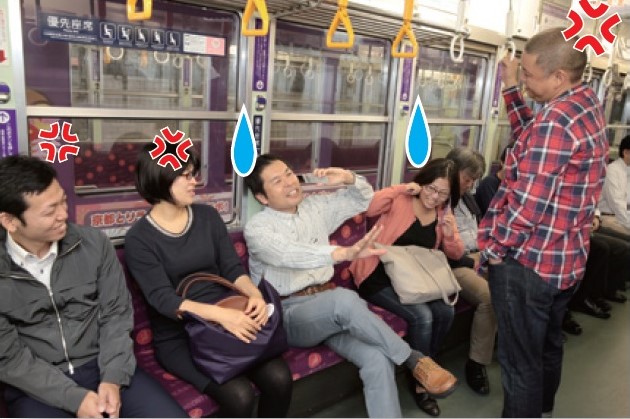
Moving around Kyoto in kimono requires extra awareness.
Don't Rush or Push on Public Transportation
Orderly boarding essential:
- Don't: Push onto trains before passengers exit
- Don't: Rush to grab seats when elderly or disabled people need them
- Don't: Block doorways or aisles
- Don't: Spread out belongings occupying multiple seats
- Do: Queue in designated waiting areas
- Do: Offer priority seats to those who need them
Don't Wear Backpacks Carelessly
If carrying bags on crowded transit:
- Remove backpacks and hold them in front or at your feet
- Don't swing bags hitting other passengers
- Don't place bags on seats during crowded periods
- Be aware your kimono and accessories take more space than usual clothing
Don't Bicycle Recklessly in Kimono
Cycling in traditional dress is challenging:
- Generally don't: Most rental shops discourage or prohibit cycling in kimono
- Safety risks: Long fabric can catch in wheels or chains
- Mobility limits: Kimono restricts leg movement needed for safe cycling
- If you must: Use mamachari-style bikes with skirt guards, cycle very slowly and carefully
Don't Sit Improperly on Public Seating
Kimono requires modified sitting:
- Don't cross legs Western-style—kimono may gap open
- Don't sprawl or slouch—defeats the garment's elegant line
- Do sit with knees together, feet flat or slightly angled
- Do smooth kimono under you when sitting to prevent excessive wrinkling
Don't Do This: Restaurant and Dining Errors
Food culture has specific protocols, especially important in traditional settings.
Don't Stick Chopsticks Upright in Rice
Serious funeral association:
- Vertical chopsticks in rice bowls resemble funeral offerings to the dead
- Never leave chopsticks standing in your bowl
- Rest chopsticks on the provided rest or across your bowl edge
- Don't pass food directly chopstick-to-chopstick (also resembles funeral ritual)
Don't Pour Your Own Drink
Social drinking etiquette:
- In group settings, pour for others, not yourself
- Watch others' glasses and refill when low
- Hold your glass with both hands when someone pours for you
- This doesn't apply to water or when dining alone
Don't Tip at Restaurants
Japan doesn't have tipping culture:
- Don't: Leave cash on tables
- Don't: Add tips to credit card payments
- Don't: Insist when staff refuse tips
- Why: Service quality is standard expectation, not extra compensation
- Can be offensive: Implies they need charity or aren't paid fairly
Don't Call Staff Loudly
Polite ways to get attention:
- Don't: Snap fingers, whistle, or shout
- Don't: Wave arms dramatically
- Do: Make eye contact and raise hand slightly
- Do: Say "Sumimasen" (excuse me) at moderate volume
- Do: Use call buttons if provided at tables
Don't Do This: Shopping Mistakes
Retail interactions follow specific customs.
Don't Handle Merchandise Roughly
Treat items with care:
- Don't unfold clothing completely unless buying
- Don't open sealed packages without permission
- Don't test products vigorously or destructively
- Return items neatly to where you found them
- Ask staff if you need to examine items more closely
Don't Bargain Aggressively
Haggling differs from other Asian countries:
- Most shops have fixed prices
- Aggressive negotiation considered rude
- Small antique shops or markets might allow polite inquiry about discounts
- Large purchases might warrant asking about better prices politely
- Accept the answer graciously whether yes or no
Don't Block Store Entrances
Flow management:
- Don't stand in doorways deciding whether to enter
- Don't gather with groups blocking access
- Don't stop immediately inside doors—move further in or stay outside
- Step aside if browsing with multiple people
Don't Take Photos Without Permission
Store photography etiquette:
- Many shops prohibit photography of merchandise
- Always ask before photographing inside shops
- Respect when told no
- Don't take sneaky photos after being denied
Don't Do This: Accommodation Etiquette
Whether hotels or traditional ryokan, certain rules apply.
Don't Wear Outdoor Shoes Inside
Fundamental Japanese custom:
- Remove shoes at entrances (genkan)
- Use provided slippers for hallways and common areas
- Remove slippers before entering tatami mat rooms
- Use separate bathroom slippers in toilet rooms
- Never wear bathroom slippers outside the toilet area
Don't Bathe Incorrectly at Ryokan
Proper onsen and bath etiquette:
- Don't: Enter bath without washing first
- Don't: Bring towels into bathing water
- Don't: Drain or dirty shared bath water
- Don't: Swim or splash vigorously
- Do: Wash thoroughly at provided stations before entering bath
- Do: Enter quietly and relax peacefully
Don't Mishandle Yukata at Accommodations
Hotel/ryokan yukata differ from rental kimono:
- Provided yukata are meant only for the property
- Don't wear them outside in public areas beyond the property
- Fold them neatly after use
- Don't pack them—they're not souvenirs
Don't Do This: Cultural Insensitivity
Beyond specific actions, certain attitudes create problems.
Don't Appropriate Without Understanding
Cultural participation vs. appropriation:
- Rental kimono is encouraged: Japanese people generally appreciate foreigner interest in their culture when done respectfully
- Don't: Mock or stereotype Japanese people while wearing kimono
- Don't: Combine kimono with offensive makeup or gestures
- Don't: Claim expertise about culture you're just beginning to experience
- Do: Approach with humility and genuine interest in learning
Don't Assume Everyone Speaks English
Language expectations:
- Don't become frustrated or rude when people don't understand English
- Don't speak louder or slower in condescending tones
- Learn basic Japanese phrases (arigatou, sumimasen, onegaishimasu)
- Use translation apps respectfully
- Appreciate efforts people make to communicate despite language barriers
Choosing rental shops with multilingual support, like those with English-speaking staff near Shijo Station, eliminates language stress while ensuring proper cultural guidance.
Don't Compare Everything to Your Home Country
Perspective matters:
- Don't loudly complain that "back home we do it differently"
- Don't demand Japanese services operate like Western businesses
- Don't criticize customs you don't understand
- Remember you're a guest in their culture
- Appreciate differences rather than judging them
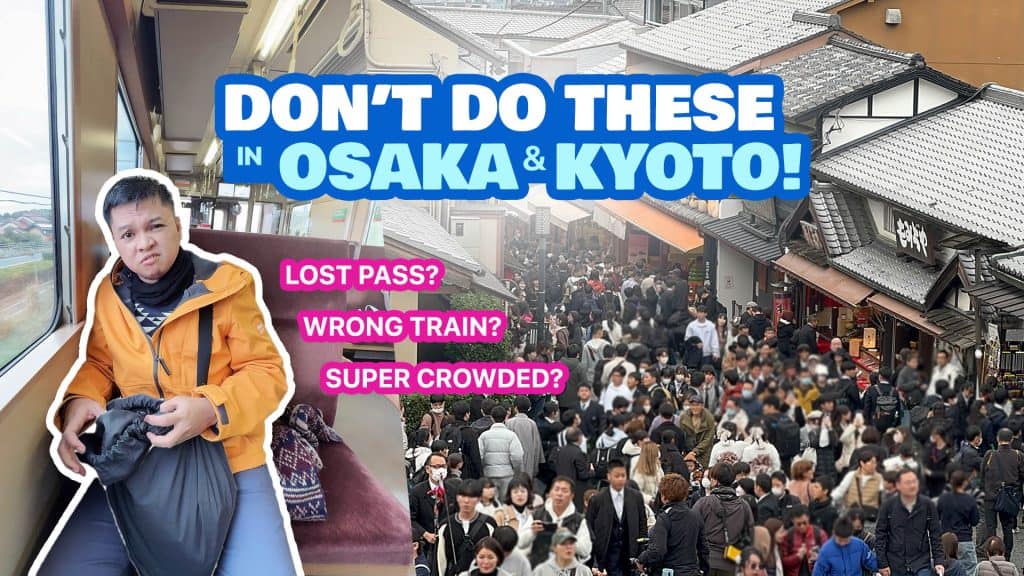
Don't Participate in Overtourism
Sustainable tourism awareness:
- Don't: Visit only the most crowded, over-photographed spots
- Don't: Contribute to crowding at small temples unable to handle mass tourism
- Don't: Visit during peak hours (10 AM - 3 PM) at famous locations
- Do: Explore lesser-known temples and neighborhoods
- Do: Visit popular sites early morning or late evening
- Do: Spread your presence across multiple days and areas
Positive Practices: What TO Do in Kyoto
Understanding what not to do is important, but knowing positive practices creates truly meaningful experiences.

Do Learn Basic Japanese Phrases
Simple efforts make big differences:
- Ohayou gozaimasu: Good morning
- Konnichiwa: Hello/good afternoon
- Arigatou gozaimasu: Thank you very much
- Sumimasen: Excuse me/sorry
- Onegaishimasu: Please/request for service
- Gochisousama deshita: Thank you for the meal (after eating)
Do Bow Appropriately
Non-verbal communication matters:
- Slight bow (15 degrees) for casual greetings and thanks
- Moderate bow (30 degrees) for showing respect or apologizing
- Deep bow (45 degrees) for serious apologies or deep gratitude
- Bow while saying greetings or thanks for extra politeness
Do Ask Questions Politely
Cultural curiosity is welcome:
- Ask rental shop staff about kimono pattern meanings
- Inquire about proper temple or shrine etiquette
- Request recommendations for less touristy locations
- Show genuine interest in cultural explanations
- Thank people for taking time to share knowledge
Do Support Local Businesses
Economic contributions help community:
- Choose locally-owned rental shops over international chains
- Eat at family-run restaurants rather than global franchises
- Purchase souvenirs from local craftspeople when possible
- Use services that employ and support local communities
Shops offering services like kimono delivery directly to accommodations, integrated photography packages, and year-round fair pricing demonstrate customer-focused values worth supporting.
Do Share Experiences Responsibly
Social media with awareness:
- Tag and credit businesses properly
- Don't reveal secret or private locations
- Include cultural context in captions
- Avoid photos that could encourage destructive copycat behavior
- Celebrate culture respectfully rather than making it seem exotic or strange
Handling Mistakes Gracefully
Even well-intentioned visitors make errors. Recovery matters as much as prevention.
If You Make a Cultural Mistake
Everyone learns through experience:
- Apologize sincerely: "Sumimasen" goes far
- Don't make excuses: Accept responsibility
- Learn from it: Ask how to do it properly
- Don't repeat: Show you've understood the correction
- Move forward: Don't dwell excessively on minor mistakes
If Someone Corrects You
Corrections help everyone:
- Thank them for the guidance
- Don't become defensive or argue
- Ask for clarification if you don't understand
- Adjust your behavior immediately
- Appreciate that they cared enough to help you improve
If Your Kimono Needs Adjustment
Practical problem-solving:
- Return to rental shop if nearby—they'll fix issues quickly
- Many hotels can help with basic adjustments
- Don't feel embarrassed—staff expect minor issues
- Emergency safety pins help temporary fixes
- Professional shops often provide emergency contact numbers
Regional Variations: Kyoto vs. Other Cities
While many Japanese customs are nationwide, Kyoto has particular sensitivities due to its cultural significance and overtourism challenges.
Kyoto's Unique Considerations
Why Kyoto requires extra care:
- Living heritage: Not a historical theme park but a functioning city preserving traditions
- Overtourism stress: Residents face daily challenges from mass tourism
- Cultural capital status: Represents Japanese culture to the world—behavior here reflects on all visitors
- Working geisha district: Gion professionals face harassment impacting their livelihoods
- Sacred sites: Ancient temples and shrines require particular reverence
Stricter Than Other Cities
Expectations may be higher:
- Photography restrictions more common and enforced
- Locals less tolerant of disruptive behavior
- Cultural sensitivity expected, not just appreciated
- Consequences for poor behavior increasingly serious (fines, bans, public shaming)
Preparing for Your Kyoto Visit

Advance preparation prevents most problems.
Research Before You Go
Knowledge is respect:
- Read about Japanese cultural customs
- Watch videos about temple and shrine etiquette
- Learn basic Japanese phrases
- Understand current Kyoto tourism issues
- Research specific sites you plan to visit
Choose the Right Services
Quality rentals include cultural guidance:
- Select shops with multilingual staff who can explain customs
- Choose locations convenient to your planned activities
- Consider shops offering comprehensive services (styling, photography, cultural advice)
- Read reviews focusing on customer service and cultural respect
- Ask questions during booking about proper behavior
Rental services near central stations like Shijo, with English-speaking staff, hair and makeup services, and professional photography options starting around ¥10,000, provide the support infrastructure that helps visitors navigate cultural expectations successfully.
Pack Appropriately
Physical preparation matters:
- Comfortable walking shoes for travel to/from rental shop
- Appropriate undergarments (light colors, form-fitting)
- Small bag for personal items
- Cash for places not accepting cards
- Phone with translation app and maps
- Portable battery for full-day use
Set Realistic Expectations
Mental preparation prevents disappointment:
- Popular sites will be crowded
- Moving in kimono takes more time than usual clothing
- Language barriers exist despite preparation
- Not every experience will be Instagram-perfect
- Cultural differences require patience and flexibility
Conclusion: Respectful Cultural Participation
Don't do this in Kyoto—this phrase encompasses far more than a list of prohibited behaviors. It represents an invitation to participate in Japanese culture with the care and respect it deserves. Understanding what not to do protects you from embarrassment, prevents offense to locals, preserves cultural sites for future generations, and ensures your kimono experience creates positive rather than negative impacts.
The most important "don't" is perhaps the most fundamental: don't forget that Kyoto is not a theme park created for tourist entertainment. It's a living city where people work, worship, raise families, and maintain centuries-old traditions despite overwhelming tourism pressures. When you wear kimono in Kyoto, you're not playing dress-up—you're participating in living culture that locals have shared generously with visitors.
Your behavior in traditional dress represents not just yourself but all international visitors. Choose rental services that prioritize cultural education alongside beautiful garments. Support businesses that treat kimono as cultural heritage rather than costume rental. Engage with Kyoto's traditions through the lens of respect, humility, and genuine curiosity.
By following these guidelines—knowing what not to do while embracing what you should do—your kimono experience in Kyoto becomes more than beautiful photographs. It becomes meaningful cultural exchange that honors Japanese traditions, respects local communities, and creates the kind of positive tourism that Kyoto desperately needs. Remember that the best visitors leave places better than they found them, not through grand gestures but through countless small acts of respect, awareness, and genuine appreciation for the privilege of participating in one of the world's great living cultures.
Essential Don'ts Summary Checklist
| Category | Critical Don'ts | Why It Matters |
|---|---|---|
| Kimono Wearing | Right over left wrapping | Associated with death/funerals |
| Temples/Shrines | Blocking paths for photos | Disrupts worshippers and other visitors |
| Gion District | Chasing geisha/maiko | Harassment affecting their work |
| Photography | Ignoring restrictions | Religious sanctity and site preservation |
| Public Behavior | Eating while walking | Cultural norm violation |
| Transportation | Phone calls on trains | Disturbs public peace |
| Dining | Chopsticks upright in rice | Funeral symbolism |
| Shopping | Aggressive bargaining | Considered rude behavior |
| Cultural Sensitivity | Treating as costume | Disrespects living tradition |
Quick Reference: Positive Alternatives
- Instead of blocking paths: Take quick photos and step aside immediately
- Instead of chasing geisha: Appreciate respectfully from distance with polite bow
- Instead of loud behavior: Match the quiet tone of locals around you
- Instead of eating while walking: Stop at designated areas, finish, then continue
- Instead of ignoring rules: Follow posted guidelines and staff instructions
- Instead of assuming English: Learn basic Japanese phrases and use translation apps
- Instead of touching everything: Look with eyes, photograph respectfully from distance
- Instead of rushing everywhere: Move at a pace that respects kimono and surroundings
- Instead of treating as theme park: Engage as honored guest in living culture
- Instead of contributing to problems: Be part of the solution through thoughtful behavior
Before You Go Preparation List
- Read comprehensive guide to Japanese cultural customs
- Learn 10-15 basic Japanese phrases and practice pronunciation
- Research specific temples and shrines you'll visit—know their rules
- Understand current Kyoto tourism challenges and concerns
- Choose kimono rental shop with strong cultural guidance and multilingual support
- Book photography services in advance if desired (packages from ¥10,000)
- Download translation apps and offline maps
- Prepare appropriate undergarments and comfortable walking shoes
- Plan itinerary avoiding peak crowding times at popular sites
- Set intention to be respectful, humble, and genuinely interested learner
- Pack small cash amounts—not all places accept cards
- Review this guide the night before your kimono experience
- Remember: you're participating in culture, not consuming it
- Approach with gratitude for the privilege of this experience
- Commit to leaving positive impact on everyone you encounter
Learn More and Connect: