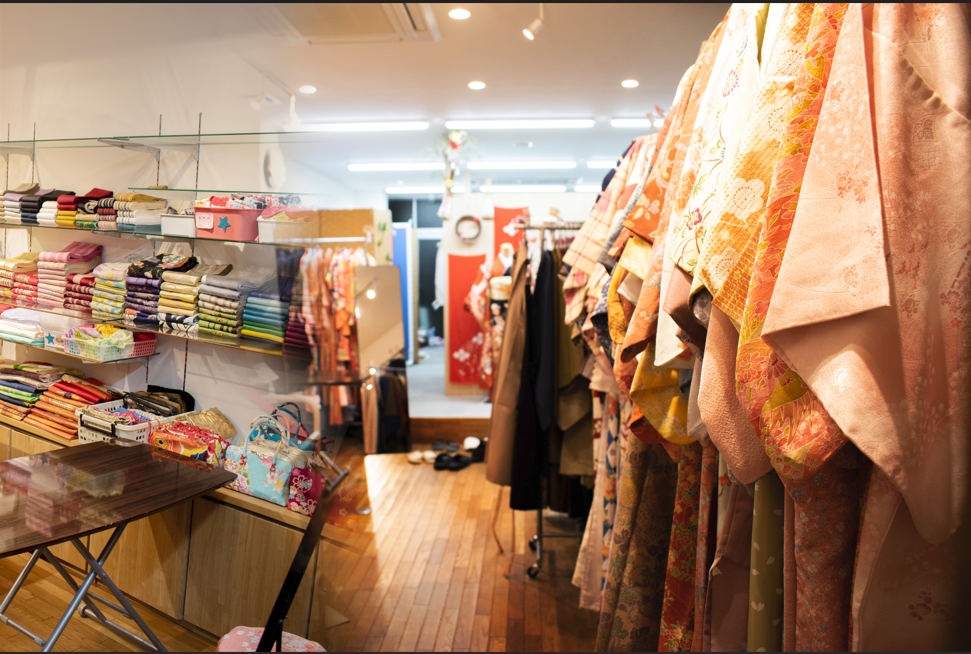
You're Reading Reviews Because You Don't Want to Waste a Day in Kyoto on the Wrong Shop.
That's a completely reasonable position. Kyoto isn't cheap to get to, your time here is limited, and kimono rental is one of those experiences where the shop you choose has a disproportionate effect on the actual outcome. Pick the right one and you've got a genuinely memorable half-day. Pick the wrong one and you're standing in a crowded changing room, not understanding what anyone's saying, holding a kimono that doesn't fit and wondering what the fuss was about.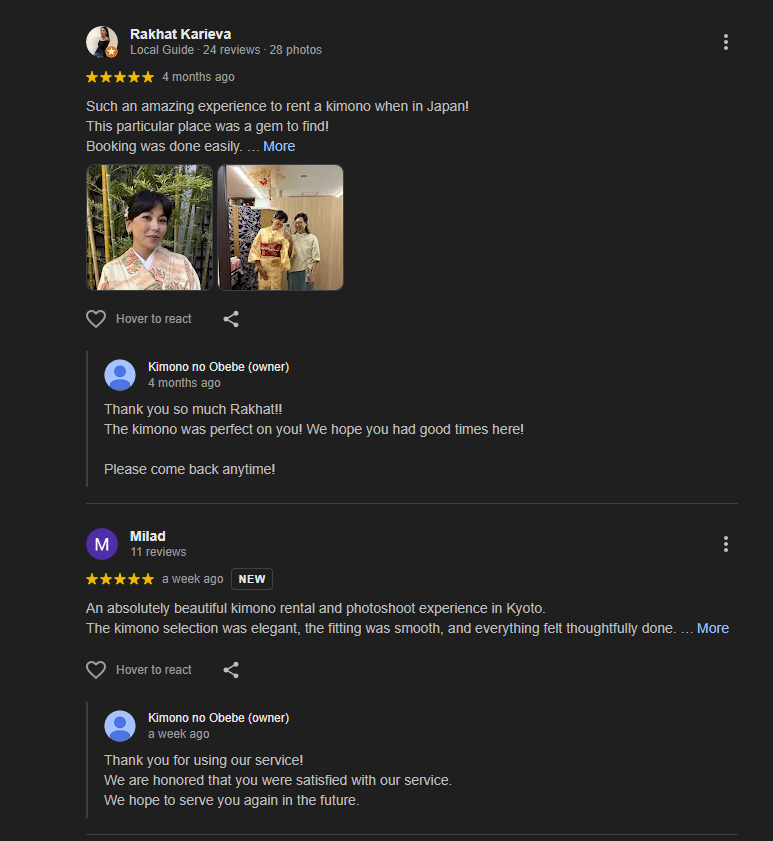
So you're doing what any sensible traveler does: reading reviews before you commit.
This post is honest about what that process looks like. You'll get a clear picture of what customers consistently praise and flag when it comes to kimono rental near Shijo Karasuma, what the experience at Kimono no Obebe actually delivers on, which details in reviews tend to signal a genuinely good shop versus a well-marketed average one, and what time of year the reviews say makes the biggest difference. By the end, you'll have enough to make a confident decision.
What Customers Actually Care About — And What Reviews Reveal
When you read enough kimono rental reviews from international travelers in Kyoto, a clear pattern emerges. The things people rave about — and the things they complain about — come down to the same five factors almost every time.
Language support. This one shows up constantly. Travelers who felt comfortable and informed throughout the process leave strong reviews. Travelers who spent 40 minutes not understanding what was happening, unable to ask questions or express preferences, leave frustrated ones. It's the single most consistent predictor of a good experience for international visitors.
How well the final look came together. Not just the kimono itself — the whole package. Whether the obi was tied properly, whether the accessories were well-matched, whether the hair styling elevated the outfit or just ticked a box. Reviews that mention specific details — the obi pattern matched the kimono perfectly, the hair took fifteen minutes and looked traditional and elegant — signal a shop where staff actually care about the outcome.
Efficiency of the dressing process. Nobody wants to spend two hours in a changing room. Travelers with limited time — which is most people in Kyoto — consistently praise shops that move efficiently without making the experience feel rushed. Getting dressed and out the door in 20-30 minutes while still looking genuinely good is the benchmark most experienced reviewers mention.
Location payoff. Reviews that mention walking directly to Gion or Pontocho from the shop — without needing transport — are almost universally positive on the location front. The Shijo Karasuma area earns consistent praise for this reason: you step outside and you're already where you want to be.
Value relative to price. This doesn't mean cheapest. It means whether what you got matched or exceeded what you paid for. A plan that included hair, accessories, and a well-fitted kimono in a prime location consistently earns better reviews than a bare-bones plan that left people feeling like they got the minimum.
What Customers Say About Kimono no Obebe
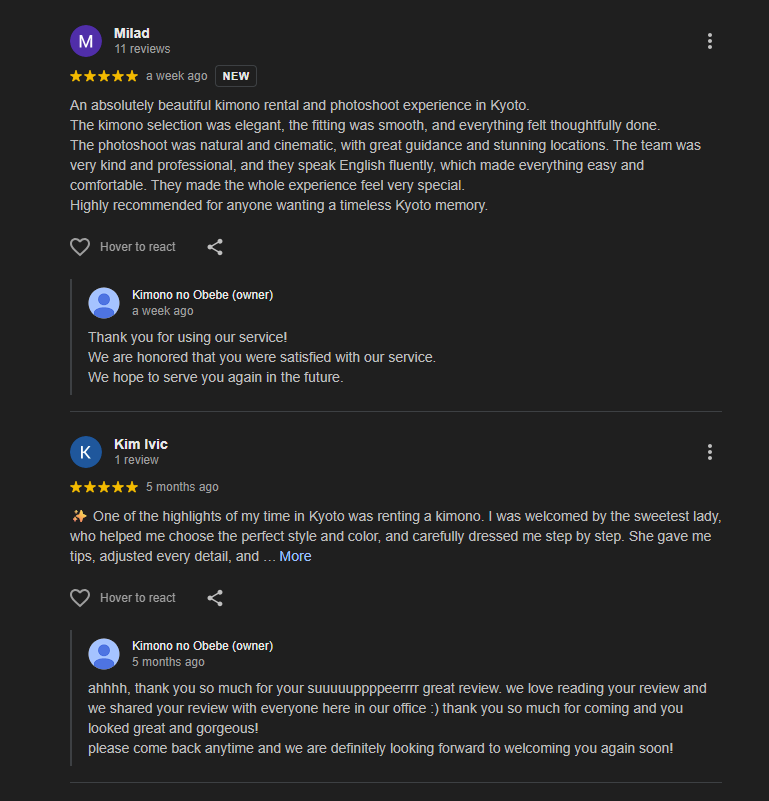
Across the reviews Kimono no Obebe receives from international visitors, a few themes come up reliably.
The English support genuinely lands. International guests consistently mention being able to communicate without frustration — asking questions during the dressing process, understanding what accessories were being added and why, having choices explained clearly. For visitors from English-speaking countries, and for travelers whose first language isn't Japanese, this is the detail that turns a stressful experience into a comfortable one.
The hair styling gets specific praise. Not just the hair was nice — reviewers tend to mention the traditional kanzashi hairpins, the upswept styling, the coherence between the hair and the kimono. That level of specificity in a review means the result was distinctive enough to remember and describe. That's a meaningful signal.
The location factor comes up constantly. Being a 2-minute walk from Shijo Station, with Gion directly accessible on foot, earns consistent mentions in positive reviews. People describe stepping outside already in the right neighborhood, walking to Hanamikoji within ten minutes, not needing to figure out transport while dressed in sandals. That's the location advantage in real-world terms.
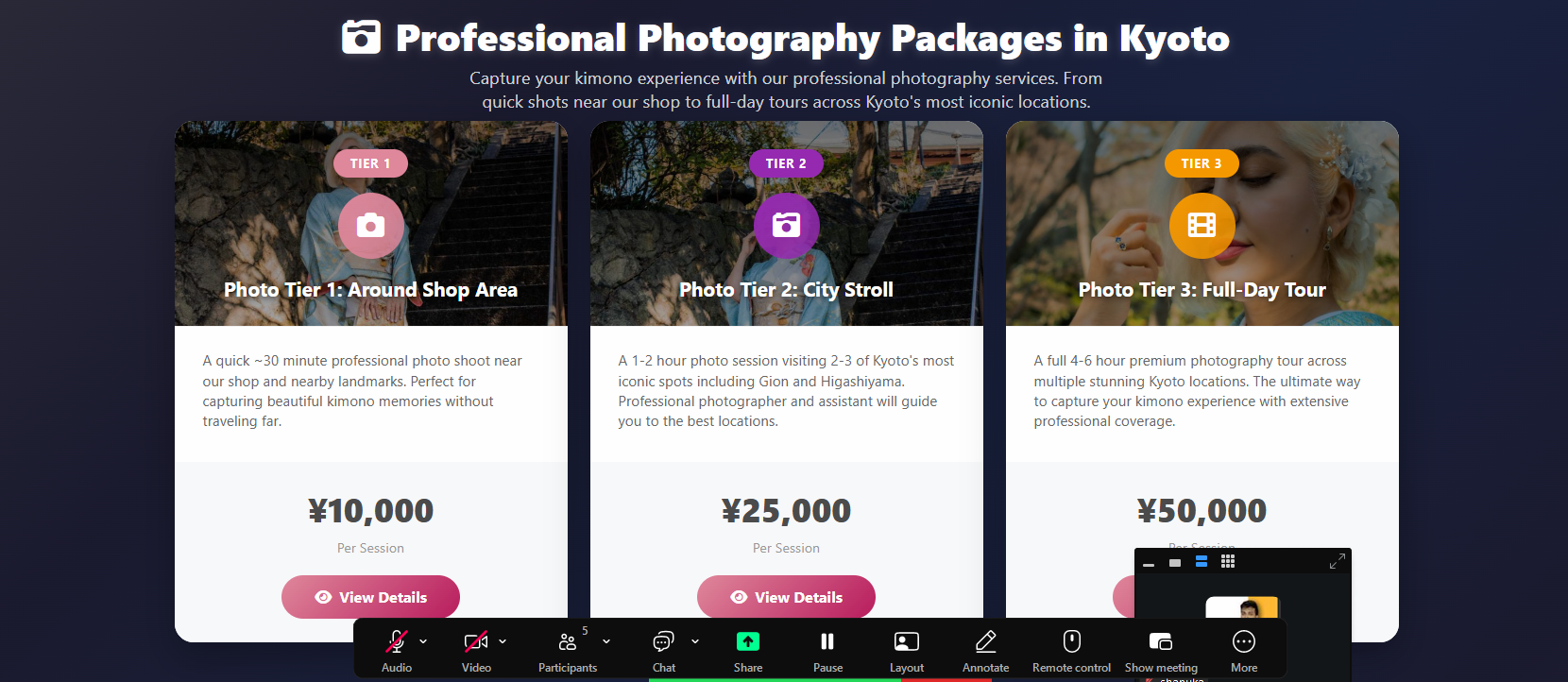
The photography sessions earn strong feedback. Guests who booked the photography add-on — sessions starting from ¥10,000 — consistently report that the photos were better than they expected and better than what they'd managed on their own. The specific details that come up: the photographer knowing which alleys have good light, shooting while guests were walking rather than posing stiffly, the natural feel of the final images. See the guest gallery here for a direct visual of what that looks like.
A Fictional Composite Review — What a Positive Experience Sounds Like
Here's a fictional scenario that captures what a strongly positive kimono rental review tends to describe — constructed from the patterns in how guests talk about these experiences, not from any real individual account.
Imagine a solo female traveler visiting Kyoto for the first time in late April. She's booked a mid-range plan at Kimono no Obebe — one of the floral kimono options with a contrasting obi. She arrives slightly nervous, not knowing what to expect. The staff walks her through the color options in English, helps her choose something that works with her complexion, and explains each step of the dressing process as it happens. The hair takes about 20 minutes — styled up with kanzashi pins she describes as the most beautiful accessory she had ever worn. She walks out into Gion at 10:15am, directly into cherry blossom season. She spends three hours walking the neighborhood alone, comfortable and confident, and writes afterward that it was the best morning of her whole trip to Japan.
(This is a fictional composite — not a real review — but it reflects the consistent pattern of what satisfied guests describe.)
What to Watch for in Reviews — Reading Between the Lines
Not all kimono rental reviews are equally useful. Here's how to read them more critically when you're comparing shops near Shijo Karasuma.
Generic praise vs. specific praise. Loved it, great experience tells you almost nothing. The staff spoke English and explained every accessory, the obi was tied perfectly, we walked to Hanamikoji in ten minutes tells you a lot. Specific reviews indicate a specific experience — which means the shop actually delivered something distinct enough to remember.
Mentions of language support. If reviews from international visitors don't mention communication — positive or negative — that might mean it wasn't a feature, just an absence. Positive mentions of English support are a meaningful signal for non-Japanese speaking travelers.
Photos in reviews. When guests post photos with their reviews, look at the full look — not just the kimono. Is the obi tied correctly? Is the hair styled or just put up quickly? Do the accessories make sense with the outfit? The photo tells you more than the star rating.
Mentions of the photography add-on. Shops that offer professional photography and receive specific praise for it are a different category from shops where guests are handed a kimono and pointed toward the door. If a review mentions a photographer knowing the best spots or shooting candidly, that's a real differentiator.
How the Season Affects the Review Pattern
Reviews from different seasons in Kyoto tell different stories — and understanding that helps you set realistic expectations for your visit.
Spring (March-May) reviews are the most numerous and generally the most enthusiastic. Cherry blossom season in Gion produces the most iconic photos, and the neighborhood is at its most visually dramatic. The consistent caveat in spring reviews: book your slot early, especially for April. Shops fill up fast and walk-in availability is unreliable during peak bloom.
Summer (June-August) reviews mention heat — Kyoto in July and August is genuinely hot — and the advantage of lighter yukata options. Reviews from the Gion Matsuri festival period in July are particularly positive about the atmosphere and the sense of participating in something real rather than performing for tourists.
Autumn (October-November) reviews often describe it as the most photogenic season and express surprise at how well the maple leaf backdrop worked with their kimono colors. Late November consistently earns strong reviews for the combination of dramatic color, cooler temperatures, and relatively manageable crowds compared to spring.
Winter (December-February) reviews tend to praise the quietness. Less crowded Gion, calmer streets, a contemplative atmosphere that busier seasons don't offer. New Year period reviews from guests who visited during Hatsumode at Yasaka Shrine describe the experience as genuinely special — being in traditional dress during a traditional ceremony rather than just walking around a tourist area.
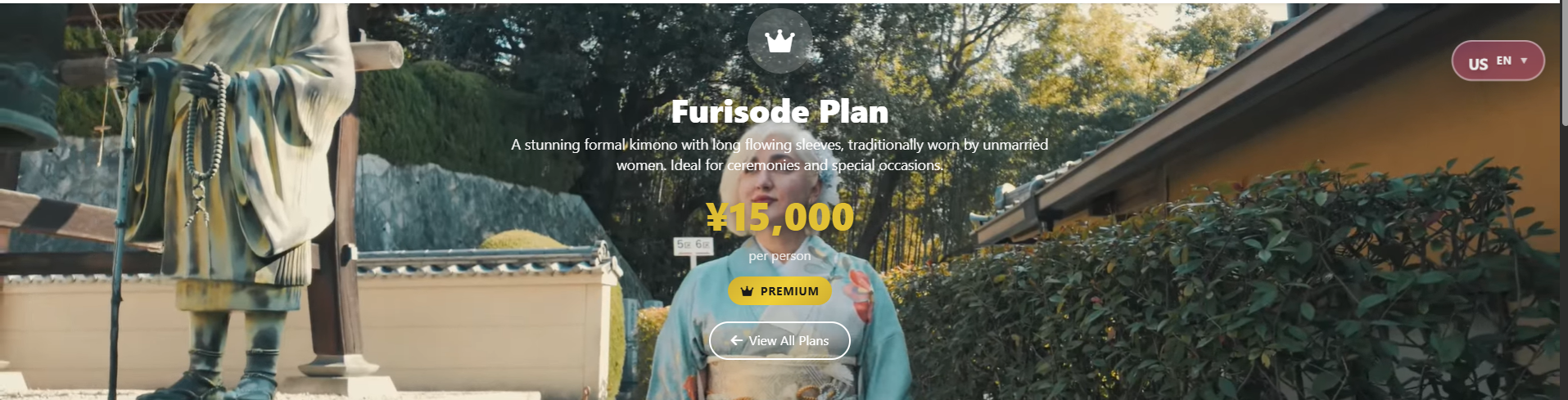
One detail consistent across all seasons in positive Kimono no Obebe reviews: the pricing is the same year-round. No surprise surcharge for visiting during cherry blossom season. The plans page here shows what you'll pay regardless of when you visit — plans start from ¥1,900 up to ¥15,000 for the furisode option.
What to Do With This Information
If you've read this far, you're the kind of traveler who makes decisions based on actual information rather than just booking whatever comes up first in a search. That's worth something.
The summary is straightforward: Kimono no Obebe near Shijo Karasuma scores well on the factors that matter most to international travelers — language support, quality of the dressing experience, location convenience, and photography output. The reviews reflect a shop that delivers what it promises across all seasons, without the pricing games that a lot of Kyoto rental shops run during peak times.
Browse the guest gallery for a direct visual of past experiences. Follow @kyoto_kimonorental_noobebe on Instagram for recent shots. And reach the team through the contact page here to check availability or ask questions before you book.
Good reviews exist because someone had a good experience. That's the whole point of reading them — and it's the whole point of choosing carefully.