Best Kimono Rental Near Gion from Shijo Karasuma

Gion, Kyoto's most famous geisha district, is where traditional Japan comes alive. Walking its preserved streets in kimono transforms sightseeing into an immersive cultural experience. But where should you rent your kimono for the perfect Gion exploration? Kimono no Obebe, strategically located near Shijo Karasuma, offers the ideal combination of accessibility, quality, and convenience for your Gion adventure. Just a pleasant 10-15 minute walk from the rental shop to Gion's heart means you'll arrive fresh and camera-ready, not exhausted from complicated commutes.
Why Location Matters for Gion Kimono Photography
Choosing the right kimono rental location significantly impacts your Gion experience, from comfort to photo opportunities to time efficiency.
The Perfect Walking Distance
Kimono no Obebe's location near Shijo Karasuma provides the optimal distance to Gion:
- 10-15 minute walk: Close enough to be convenient, far enough to avoid the tourist trap pricing
- Comfortable in traditional footwear: Short enough walk that zori or geta won't cause blisters before you even start exploring
- Scenic route: The walk itself offers photo opportunities along Shijo Street
- Multiple path options: Choose between direct routes or more scenic alternatives
This sweet spot distance means you arrive at Gion energized and excited, not tired and uncomfortable.
Avoiding Gion's Rental Shop Disadvantages
While renting directly in Gion might seem logical, consider these drawbacks:
- Premium pricing: Gion-area shops often charge 20-30% more for the same services
- Extreme crowds: Popular Gion shops can have 30-60 minute waits during peak times
- Limited transportation: Fewer direct train connections from Gion area
- Tourist saturation: Everyone in Gion is a tourist—less authentic atmosphere
- Limited flexibility: Constrained to Gion area exploration only
Starting from Shijo Karasuma avoids these issues while maintaining easy Gion access.
Strategic Starting Point Benefits
Beginning your day at Kimono no Obebe provides advantages beyond just Gion access:
- Easy arrival from any Kyoto hotel via subway
- Options to visit other attractions before or after Gion
- Access to better dining and shopping during breaks
- Simpler return process at end of day
- More competitive pricing in less touristy area
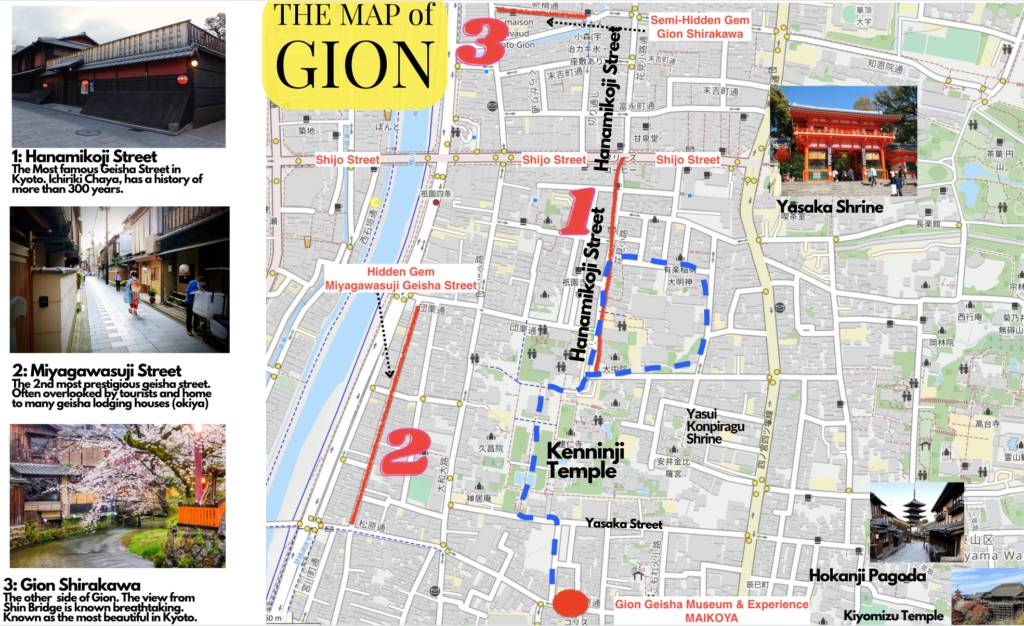
Understanding the walking route helps you plan your day and anticipate photo opportunities along the way.
The Direct Route (10 Minutes)
The quickest path to Gion's main attractions:
- Step 1: Exit Kimono no Obebe and head east on Shijo Street
- Step 2: Continue straight for approximately 800 meters
- Step 3: Cross Kamo River on Shijo Bridge (excellent photo spot)
- Step 4: Enter Gion district immediately after the bridge
- Walking time: 10-12 minutes at comfortable kimono pace
- Distance: Approximately 900 meters
This route is straightforward, well-lit, and impossible to get lost on—perfect for first-time visitors.
The Scenic Pontocho Route (15 Minutes)
For those who want photo opportunities en route:
- Step 1: Head to Pontocho Alley (5 minutes from shop)
- Step 2: Walk through this atmospheric traditional street
- Step 3: Exit at Shijo Street and cross Kamo River
- Step 4: Enter Gion district
- Walking time: 15 minutes with photo stops
- Bonus: Beautiful traditional architecture along Pontocho
Landmarks Along the Way
Key points to watch for during your walk:
- Kawaramachi Street intersection: Major shopping area
- Kamo River (Shijo Bridge): Perfect photo spot with river and mountains
- Minami-za Theatre: Historic kabuki theater marks Gion entrance
- Yasaka Shrine torii: Visible in distance, orientation point
Walking Tips in Kimono
Make the journey comfortable:
- Take small, deliberate steps—rushing in kimono is uncomfortable
- Stay on flat, paved surfaces when possible
- Cross streets at designated crossings (kimono restricts quick movements)
- If feet start hurting, take a brief rest on a bench
- Arrive at Gion fresh by pacing yourself
What Makes Kimono no Obebe the Best Choice for Gion Visits
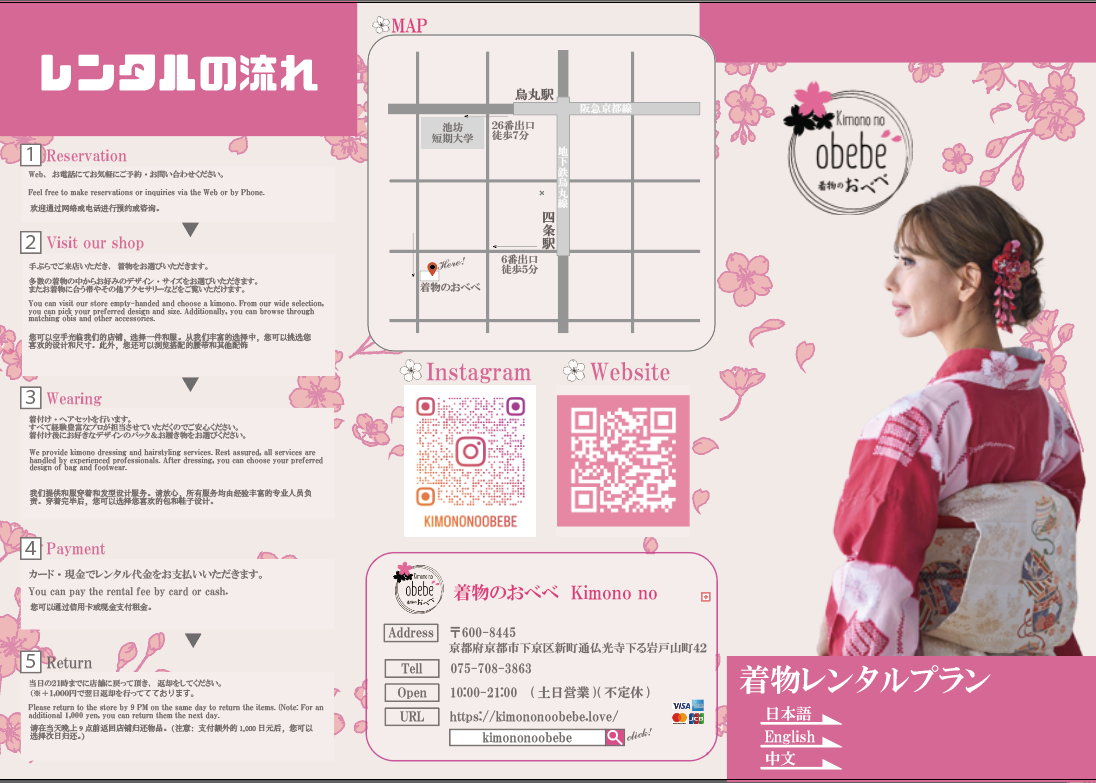
Beyond location, Kimono no Obebe offers specific advantages that enhance your Gion experience.
Gion-Appropriate Kimono Selection
The shop understands what works best in Gion's traditional setting:
- Classic patterns: Traditional designs that harmonize with Gion's historic streets
- Sophisticated colors: Options that photograph beautifully against Gion's architecture
- Seasonal selections: Cherry blossom patterns for spring, autumn leaves for fall
- Quality fabrics: Kimono that look authentic in Gion's discerning environment
Staff can recommend specific kimono that photograph exceptionally well in Gion settings.
Professional Styling for Gion Photography
Proper styling ensures you look elegant in Gion's upscale atmosphere:
- Hair styling: Traditional updos appropriate for Gion's formal ambiance
- Makeup options: Subtle enhancement that looks natural in photos
- Accessory coordination: Obi, bags, and ornaments that complete the look
- Photography-ready finish: Ensuring every detail is camera-perfect
English-Speaking Staff for Gion Guidance
Language support makes planning easier:
- Gion navigation help: Staff provide English directions and maps
- Photo spot recommendations: Insider tips on best Gion locations and timing
- Cultural etiquette explanation: How to behave respectfully in Gion
- Geisha district protocols: Understanding proper geisha photography etiquette
This guidance ensures you navigate Gion confidently and respectfully.
Integrated Photography Packages
Professional photography services designed for Gion shooting:
- 30-minute Gion session (¥10,000): Quick professional shoot at key Gion locations
- 4-hour comprehensive package (¥25,000): Multiple Gion spots plus additional areas, includes kimono rental and styling
- Full-day premium experience (¥50,000): Extensive coverage throughout Gion and beyond
- Experienced photographers: Professionals who know Gion's best angles and lighting
Photographers familiar with Gion can position you perfectly against the district's iconic backdrops.
Flexible Rental Durations
Rental periods that match Gion exploration needs:
- Half-day rental: Perfect for focused Gion photography session
- Full-day rental: Gion plus other Kyoto attractions
- Extended hours: Available for sunset photography in Gion
- Flexible return: Accommodating if you want more or less time
Best Gion Locations for Kimono Photography
Understanding Gion's top photo spots helps you plan your route and maximize your kimono photography.
Hanamikoji Street
Gion's most iconic street and ultimate kimono photography location:
- Perfect traditional architecture: Preserved wooden machiya houses line both sides
- Ochaya (tea houses): Exclusive establishments where geiko and maiko entertain
- Atmospheric lighting: Beautiful any time of day
- Photography tips: Early morning (7-8 AM) for empty streets, evening for lantern glow
- Walking distance from Shijo Karasuma: 12-15 minutes
This street epitomizes traditional Kyoto and creates stunning kimono photographs.
Shirakawa Canal Area
Picturesque waterway with willow trees and traditional bridges:
- Tatsumi Bridge: Small red bridge over the canal, incredibly photogenic
- Willow trees: Graceful branches create natural framing
- Stone pathways: Authentic atmosphere along the water
- Cherry blossom season: Spectacular during spring bloom
- Less crowded: Quieter than main Gion streets
Yasaka Shrine
Vibrant Shinto shrine at Gion's eastern edge:
- Vermillion gates: Bold color contrasts beautifully with kimono
- Free admission: No entrance fee required
- Multiple photo opportunities: Gates, main hall, stone lanterns, gardens
- Cultural significance: Active shrine with authentic atmosphere
- Walking distance: 15-20 minutes from Shijo Karasuma
Gion Corner and Yasaka Hall
Cultural venues with architectural interest:
- Traditional building exteriors
- Less tourist-crowded than main streets
- Interesting architectural details
- Good for varied photo compositions
Shijo Bridge and Kamo River
En route to Gion, but worth dedicated photo time:
- Bridge views: Mountains in background, river below
- Riverbank paths: Peaceful setting with local atmosphere
- Seasonal beauty: Cherry blossoms, autumn leaves, summer greenery
- Golden hour magic: Stunning during sunrise or sunset
Kennin-ji Temple
Zen temple on Gion's southern edge:
- Beautiful gardens: Rock gardens and traditional landscaping
- Famous ceiling dragons: Twin dragon paintings (indoor photography restricted)
- Entrance fee: ¥600 but worth it for garden access
- Peaceful atmosphere: Quieter than Gion streets
- Walking distance: 12 minutes from Shijo Karasuma
Sample Itineraries: Shijo Karasuma to Gion
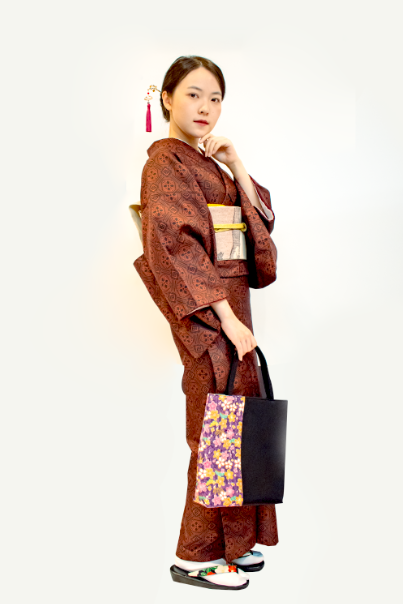
Practical itinerary examples show how to maximize your kimono day with Gion as the centerpiece.
Half-Day Gion Focus (4 Hours)
Perfect for photography enthusiasts or limited time
- 8:30 AM: Arrive at Kimono no Obebe for dressing and styling
- 9:30 AM: Begin walk to Gion via Shijo Bridge (photos en route)
- 10:00 AM: Hanamikoji Street photography (early = fewer crowds)
- 11:00 AM: Shirakawa Canal area and Tatsumi Bridge
- 12:00 PM: Yasaka Shrine visit and photos
- 12:30 PM: Return to Shijo Karasuma area via scenic route
Result: Hit all major Gion highlights with optimal lighting and minimal crowds.
Full-Day Gion Plus Surrounding Areas (8 Hours)
Comprehensive Kyoto experience with Gion emphasis
- 8:00 AM: Early arrival at Kimono no Obebe
- 9:00 AM: Gion exploration (Hanamikoji, Shirakawa)
- 11:00 AM: Yasaka Shrine and Maruyama Park
- 12:30 PM: Lunch in Gion or Pontocho
- 2:00 PM: Kennin-ji Temple gardens
- 3:30 PM: Return via Kamo River for golden hour photos
- 4:30 PM: Shopping in Shijo Karasuma area
- 5:00 PM: Return kimono to shop
Result: Comprehensive day combining Gion's best with additional attractions.
Photography Package Itinerary (4 Hours with Photographer)
Professional photo session focused on quality shots
- 9:00 AM: Styling at Kimono no Obebe, meet photographer
- 10:00 AM: Hanamikoji Street guided shoot
- 11:00 AM: Shirakawa Canal and hidden Gion spots
- 12:00 PM: Yasaka Shrine photography
- 12:30 PM: Break at nearby cafe
- 1:00 PM: Return to shop or continue exploring independently
Result: Professional portfolio of Gion photographs without stress.
Evening Gion Atmosphere (Afternoon to Evening)
Experience Gion's transformation from day to night
- 2:00 PM: Afternoon arrival at Kimono no Obebe
- 3:00 PM: Daytime Gion exploration and photography
- 5:00 PM: Position for sunset at Yasaka Shrine
- 6:00 PM: Experience Gion as lanterns illuminate (peak geisha activity time)
- 7:00 PM: Dinner in Pontocho or Gion
- 8:00 PM: Return kimono (extended hours arranged)
Result: Unique evening perspective of Gion rarely seen by day visitors.
Gion Photography Tips and Etiquette
Maximize your photo opportunities while respecting Gion's cultural significance and residents.
Best Times for Gion Photography
Timing dramatically affects your Gion photo experience:
- Early morning (7:00-9:00 AM): Empty streets, soft light, peaceful atmosphere, easiest photography
- Mid-morning (9:00-11:00 AM): Good light, moderate crowds, still manageable
- Midday (11:00 AM-2:00 PM): Harsh light, maximum crowds, avoid if possible
- Late afternoon (3:00-5:00 PM): Golden hour approaching, shadows lengthening, beautiful warm light
- Evening (5:00-7:00 PM): Lanterns lit, atmospheric glow, geiko and maiko heading to appointments, magical but crowded
Early morning from Kimono no Obebe offers the best combination of light and tranquility.
Respectful Geisha Photography
Gion is a working district for geiko (geisha) and maiko (apprentice geisha). Follow these essential rules:
- Never chase or follow: They are professionals heading to work, not tourist attractions
- Do not touch: Their kimono are incredibly expensive and delicate
- Ask permission before photographing: They usually decline, and that's their right
- Keep distance: If photographing from afar, use zoom lens rather than getting close
- No blocking pathways: Don't impede their movement or create obstacles
- Respect "no photography" signs: Some areas explicitly prohibit geisha photography
Your kimono no Obebe staff can explain proper etiquette in detail before you go.
Best Photo Composition Techniques
Create stunning Gion photographs with these tips:
- Use leading lines: Gion's narrow streets create natural perspective
- Frame with architecture: Doorways, windows, and gates make excellent frames
- Include environmental context: Show traditional buildings, lanterns, or signage
- Vary your angles: Don't just take standing-height photos; try low angles looking up at buildings
- Capture details: Close-ups of kimono fabric against Gion's textures
- Walking shots: Movement photos down Hanamikoji create dynamic images
Posing Naturally in Gion Settings
Authentic poses enhance your photographs:
- Walking naturally: Small steps, looking ahead or slightly down
- Interacting with environment: Touching a wall, looking at lanterns, pausing at bridges
- Traditional gestures: Holding kimono sleeves, adjusting hair ornaments
- Candid moments: Laughing, conversing, genuinely experiencing the area
- Avoid tourist clichés: Peace signs and overly posed shots look out of place in Gion
Weather Contingencies for Gion Photography
Gion offers options regardless of weather:
- Light rain: Traditional umbrella creates atmospheric photos
- Heavy rain: Covered areas along Shijo Street, temple covered walkways
- Overcast days: Even lighting ideal for photography, no harsh shadows
- Bright sun: Narrow Gion streets provide natural shade, or shoot early/late
Dining Options Near Gion and Shijo Karasuma
Your kimono rental location provides excellent access to dining before, during, or after your Gion exploration.
Breakfast Before Your Kimono Day
Near Shijo Karasuma, fuel up before dressing:
- Department store breakfast buffets: Takashimaya, Daimaru offer morning sets
- Cafe chains: Veloce, Doutor, Starbucks for quick coffee and pastries
- Traditional breakfast: Small restaurants offering Japanese morning sets
- Convenience stores: Onigiri and drinks for simple, efficient start
Lunch in Gion District
Traditional options while in kimono:
- Gion Karyo: Upscale kaiseki lunch sets
- Kasagiya: Traditional soba noodles
- Gion Tsujiri: Matcha desserts and light meals
- Izusen: Buddhist vegetarian cuisine (shojin ryori)
Many Gion restaurants accommodate kimono-wearing guests with special seating arrangements.
Casual Dining Near Shijo Karasuma
Return to rental shop area for more diverse, affordable options:
- Nishiki Market: Various street food and specialty shops
- Teramachi dining: Covered arcade with countless restaurants
- Department store food halls: Wide variety of Japanese and international cuisine
- Pontocho restaurants: Atmospheric dining along the alley
Dining in Kimono Tips
Enjoy meals while protecting your rental kimono:
- Choose restaurants with table seating rather than floor seating when possible
- Avoid messy foods (ramen, curry) that might stain
- Request napkins or hand towels for extra protection
- Eat slowly and carefully—kimono restricts arm movement
- Staff at Kimono no Obebe can recommend kimono-friendly restaurants
Seasonal Considerations for Gion Visits
Each season offers unique advantages for Gion exploration in kimono.
Spring Cherry Blossom Season (Late March - Early April)
- Peak beauty period: Shirakawa Canal lined with cherry trees
- Maruyama Park: Famous weeping cherry near Yasaka Shrine
- Maximum crowds: Book Kimono no Obebe 3-4 weeks in advance
- Kimono selection: Cherry blossom patterns particularly popular
- Photography challenges: Arrive very early (7 AM) to avoid crowds
- Weather: Mild temperatures, occasional rain
Summer Festival Season (June - August)
- Gion Matsuri: July festival transforms the district
- Yukata option: Lighter summer kimono more comfortable in heat
- Evening atmosphere: Best time for summer Gion visits
- Cooling breaks: Easy access to air-conditioned shops from Shijo Karasuma
- Hydration important: Carry water, take frequent breaks
- Heat management: Morning or evening shoots recommended
Autumn Foliage Season (November)
- Stunning colors: Maruyama Park, Yasaka Shrine grounds
- Perfect weather: Comfortable temperatures ideal for all-day wear
- Peak season pricing: Kimono no Obebe maintains fair rates
- Kimono selection: Autumn leaf patterns, rich burgundy and gold colors
- Extended daylight: More photography time
- Advance booking essential: Popular time for kimono rental
Winter Quiet Season (December - February)
- Fewer tourists: Peaceful Gion experience
- New Year celebrations: Special atmosphere for hatsumode (first shrine visit)
- Layering options: Haori jackets available at Kimono no Obebe
- Short daylight: Plan efficient photography schedule
- Indoor warming breaks: Shijo Karasuma area offers abundant heated spaces
- Best availability: Easy to book even last-minute
Practical Tips for Your Gion Kimono Day
These practical considerations ensure a smooth, enjoyable experience from rental to return.
What to Bring
Pack light but bring essentials:
- Small cross-body bag: Hands-free carrying (or use shop's rental bag)
- Smartphone: For photos, maps, and translation
- Portable charger: Extended photography drains batteries
- Blotting papers: For touch-ups in humid weather
- Comfortable shoes for travel: Wear to shop, change to traditional footwear there
- Cash: Many small shops and temples in Gion prefer cash
- Minimal jewelry: Simple pieces that don't interfere with kimono
Luggage Storage Solutions
Don't carry bags while exploring Gion:
- Kimono no Obebe storage: Leave belongings at the shop (free for customers)
- Station lockers: Shijo and Karasuma stations have coin lockers
- Hotel storage: Many hotels store bags even after checkout
Restroom Planning
Important consideration when wearing kimono:
- Before leaving shop: Use facilities at Kimono no Obebe
- In Gion: Yasaka Shrine, Maruyama Park, some larger restaurants
- Emergency options: Department stores near Shijo Karasuma (10-minute return)
- Staff guidance: Ask Kimono no Obebe staff for kimono-friendly restroom techniques
Dealing with Foot Discomfort
Traditional footwear takes adjustment:
- Break-in period: Walk slowly first 10 minutes
- Bring band-aids: Just in case of rubbing
- Take breaks: Sit on benches when feet need rest
- Alternative footwear: Ask shop for flatter zori if geta uncomfortable
- Short return distance: 10-15 minutes back to shop if truly uncomfortable
Photo Organization Tips
Capture and organize your memories efficiently:
- Create a dedicated photo folder before starting
- Take multiple shots of each location
- Photograph location signs for later identification
- Share photos with travel companions via cloud storage
- Review photos during lunch break to ensure you got desired shots
Why Choose Kimono no Obebe Over Gion-Based Rentals
A comprehensive comparison shows the clear advantages of starting from Shijo Karasuma.
Price Comparison
| Service | Kimono no Obebe (Shijo Karasuma) | Typical Gion Shop |
|---|---|---|
| Basic Kimono Rental | Competitive rates | 20-30% premium |
| Hair Styling | Included or affordable add-on | Often expensive separate charge |
| Photography Package (30 min) | ¥10,000 | ¥15,000-20,000 |
| Photography Package (4 hours) | ¥25,000 | ¥35,000-45,000 |
| Full-day Package | ¥50,000 | ¥65,000-80,000 |
Service Quality Comparison
| Factor | Kimono no Obebe | Gion Tourist Shops |
|---|---|---|
| English Support | Fluent English-speaking staff | Variable, often limited |
| Wait Times | Efficient, rarely over 15 min | 30-60 min during peak |
| Kimono Selection | Wide variety, well-maintained | Popular styles often unavailable |
| Personalized Attention | Individual consultation | Rushed during busy periods |
| Luggage Storage | Ample secure storage | Limited space, often full |
Practical Advantage Comparison
| Consideration | Shijo Karasuma Location | Gion Location |
|---|---|---|
| Transportation Access | Multiple subway/train lines | Limited direct connections |
| Exploration Flexibility | Can visit Gion + other areas | Primarily limited to Gion |
| Dining Options | Hundreds of varied choices | Mostly expensive traditional |
| Emergency Return | Easy from anywhere | Complicated from other areas |
| Morning Arrival | Easy from any hotel | Extra travel time |
Customer Experience Difference
Real advantages in actual use:
- Stress levels: Shijo Karasuma shops less hectic, more relaxed experience
- Time in kimono: Less commute time = more actual exploration time
- Photo variety: Easy to combine Gion with other photogenic areas
- Value perception: Better service at lower prices improves overall satisfaction
- Repeat business: Shijo Karasuma shops focus on quality to earn recommendations
Booking Your Gion Kimono Experience
Ready to book your perfect Gion day? Here's how to secure your kimono rental at Kimono no Obebe.
Reservation Process
Simple steps to book:
- Visit website: Explore options at kimononoobebe.love
- Review pricing: Check plans at kimononoobebe.love/planslist.php
- Contact shop: Book via kimononoobebe.love/contact.php
- Instagram inquiry: Quick questions via @kyoto_kimonorental_noobebe
- Confirmation: Receive booking confirmation with details
What to Specify When Booking
Help staff prepare for your Gion day:
- Gion focus: Mention you're planning to explore Gion district
- Preferred date and time: Early arrival recommended for Gion photography
- Photography needs: Professional package or self-photography
- Color preferences: Colors that work well in Gion settings
- Group size: Number of people in your party
- Special requests: Hair styling, makeup, specific kimono styles
Advance Booking Timeline
- Peak seasons (cherry blossom, autumn): 3-4 weeks advance
- Regular seasons: 1-2 weeks recommended
- Off-peak (winter, early summer): 3-5 days usually sufficient
- Last minute: Contact shop to check same-day availability
Cancellation and Rescheduling
Flexible policies for unexpected changes:
- Contact shop as soon as plans change
- Weather-related reschedules typically accommodated
- Cancellation policies vary by season
- Communication in English makes changes easier
Guest Experiences and Testimonials
See how other visitors have enjoyed their Gion kimono experience starting from Kimono no Obebe.
View Real Guest Photos
Browse actual customer experiences at kimononoobebe.love/our_guests.php
- Diverse styles and body types
- Various Gion locations photographed
- Different seasons and weather conditions
- Professional and self-taken photos
- Solo travelers, couples, and groups
Common Positive Feedback
Recurring themes from Gion visitors:
- "Perfect walking distance to Gion": Consistently praised location
- "Staff helped us find hidden Gion spots": Valuable local knowledge
- "Much better price than Gion shops": Value recognition
- "No wait time, very efficient": Appreciated smooth service
- "English explanation made everything easy": Language support valued
- "Kimono looked perfect in photos": Quality styling results
Instagram Inspiration
Follow @kyoto_kimonorental_noobebe for:
- Recent customer photos in Gion
- Seasonal kimono selections
- Photography tips and location suggestions
- Special offers and availability updates
- Behind-the-scenes styling process
Conclusion: The Smart Choice for Gion Exploration
When planning your Gion kimono experience, the rental shop's location profoundly impacts your entire day. Kimono no Obebe near Shijo Karasuma offers the perfect balance: close enough to Gion for convenient access, yet far enough to avoid tourist trap pricing and crowds.
The 10-15 minute walk to Gion becomes part of your experience, not a burden. You'll arrive fresh and excited, ready for photography rather than exhausted from complicated commutes. The route itself offers photo opportunities, and you'll appreciate the location's flexibility—easy to combine Gion with other attractions, simple to return for adjustments or breaks, and efficient for end-of-day return.
Beyond location, Kimono no Obebe delivers superior value: English-speaking staff who understand Gion's cultural significance, professional styling that photographs beautifully against traditional architecture, competitive pricing year-round, integrated photography packages from ¥10,000, and genuine care for customer experience.
Whether you're seeking iconic Hanamikoji Street photos, peaceful Shirakawa Canal shots, or vibrant Yasaka Shrine memories, starting from Shijo Karasuma positions you perfectly. You'll save money, save time, reduce stress, and maximize your actual time enjoying Gion in beautiful kimono.
Don't settle for expensive, crowded Gion-based rentals or distant locations requiring exhausting commutes. Choose the intelligent option that hundreds of satisfied customers have discovered: Kimono no Obebe near Shijo Karasuma—your gateway to the perfect Gion experience.
Book your Gion kimono adventure today at kimononoobebe.love. Your unforgettable Kyoto memories await.
Essential Information Quick Reference
- Shop: Kimono no Obebe
- Location: Near Shijo Karasuma intersection
- Distance to Gion: 10-15 minute walk
- Languages: English, Japanese
- Photography Packages: From ¥10,000 (30 min) to ¥50,000 (full day)
- Services: Kimono rental, styling, hair, makeup, photography, luggage storage
- Website: kimononoobebe.love
- Pricing: kimononoobebe.love/planslist.php
- Contact: kimononoobebe.love/contact.php
- Instagram: @kyoto_kimonorental_noobebe
- Guest Gallery: kimononoobebe.love/our_guests.php
Gion Photo Locations Distance Guide
| Gion Location | Walking Time from Shop | Best Photo Time | Crowd Level |
|---|---|---|---|
| Hanamikoji Street | 12-15 minutes | Early morning (7-9 AM) | High (moderate early) |
| Shirakawa Canal | 15 minutes | Anytime | Medium |
| Yasaka Shrine | 18-20 minutes | Morning or late afternoon | Medium-High |
| Kennin-ji Temple | 12 minutes | Mid-morning | Low-Medium |
| Shijo Bridge | 10 minutes | Sunrise or sunset | Low |
| Pontocho Alley | 5 minutes | Late afternoon/evening | Medium |