Autumn Photography in Japan: Capturing Fall Colors in Traditional Kimono
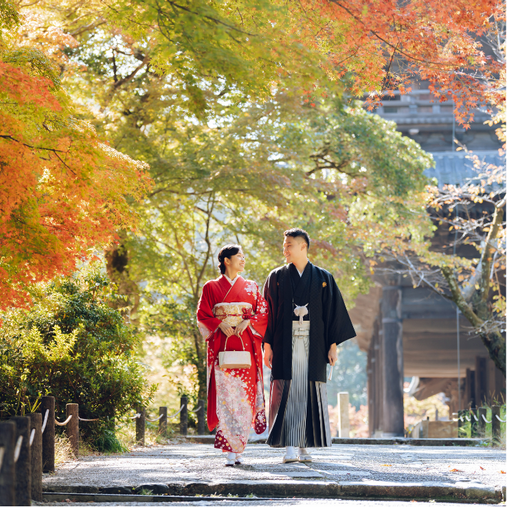
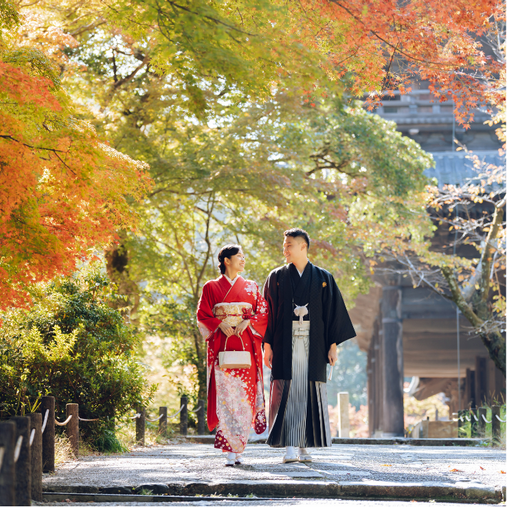
Autumn in Japan transforms the landscape into a breathtaking canvas of crimson, gold, and amber. For travelers seeking to capture this magical season, combining the vibrant fall foliage with the timeless elegance of traditional kimono creates photographs that are both culturally rich and visually stunning. Whether you're planning a professional photo shoot or casual snapshots, understanding the season's unique opportunities will help you create unforgettable memories.
Why Autumn is Japan's Most Photogenic Season
Japan's autumn season, known as koyo (紅葉), is celebrated nationwide for its spectacular display of changing leaves. Unlike spring's delicate cherry blossoms that last mere weeks, autumn foliage provides a longer window of opportunity, typically from mid-October through early December, depending on the region.
The Magic of Fall Foliage Timing
Understanding the progression of autumn colors across Japan is essential for planning your photo shoot:
- Early October: Northern regions like Hokkaido begin their transformation
- Mid-November: Kyoto and Tokyo reach peak color
- Late November to Early December: Southern areas and lower elevations display their autumn palette
The gradual progression means you can chase the colors across different regions, each offering unique photographic opportunities. Mountain areas turn first, followed by urban parks and temple gardens, creating multiple chances for the perfect shot.
Iconic Autumn Photography Locations
Japan's autumn landscape offers diverse backdrops for kimono photography:
- Kyoto's Temple Gardens: Tofuku-ji Temple and Eikando Temple provide classical settings with maple tunnels and historic architecture
- Tokyo's Urban Parks: Shinjuku Gyoen and Rikugien Gardens blend nature with city sophistication
- Nikko's Mountain Scenery: Dramatic elevation changes create layers of color against mountain backdrops
- Nara Park: Combine autumn foliage with friendly deer for unique, playful compositions
Each location offers different lighting conditions and crowd levels, which significantly impact your photography experience.
Golden Hour Opportunities in Autumn
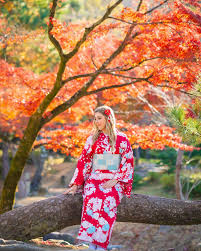
Autumn's lower sun angle creates extended golden hour periods, ideal for kimono photography. The warm, diffused light enhances both the rich fabric colors and the surrounding foliage. Morning light tends to be softer and less crowded, while late afternoon provides dramatic backlighting opportunities.
Professional photographers often recommend scheduling shoots during:
- Early morning (6:00-8:00 AM): Soft light, fewer tourists, peaceful atmosphere
- Late afternoon (3:30-5:00 PM): Warm golden tones, dramatic shadows, magical ambiance
Planning Your Autumn Photo Shoot in Traditional Kimono
A successful kimono photo shoot requires thoughtful planning that balances timing, location, and logistics. Understanding these elements ensures you capture the beauty of both the season and traditional Japanese culture.
Best Times for Autumn Photo Shoots
Beyond the seasonal timing of foliage, consider these factors:
- Weekday mornings: Popular sites are significantly less crowded
- Avoid national holidays: Japan's autumn holidays (Sports Day, Culture Day) bring massive crowds
- Check weather forecasts: Overcast days provide even lighting but lack dramatic color; clear days offer vibrant blues against autumn reds
Weather Considerations for Kimono Photography
Autumn weather in Japan can be unpredictable. Temperature ranges from cool mornings (10-15°C) to mild afternoons (18-22°C). Consider these practical aspects:
- Layering options: Many kimono rental shops offer haori (traditional jackets) for cooler weather
- Rain contingency plans: Identify covered locations or traditional umbrellas for atmospheric rainy-day shots
- Wind awareness: Strong winds can dishevel kimono styling; choose sheltered locations or plan indoor-outdoor combinations
Location Scouting Tips
Before your photo shoot day, research and visit potential locations:
- Check current foliage reports on websites like Japan-guide.com or local tourism boards
- Visit locations at the intended shoot time to assess lighting and crowd levels
- Identify backup locations in case of weather changes or unexpected closures
- Confirm any photography restrictions at temples or gardens
Hiring a Professional Photographer in Japan
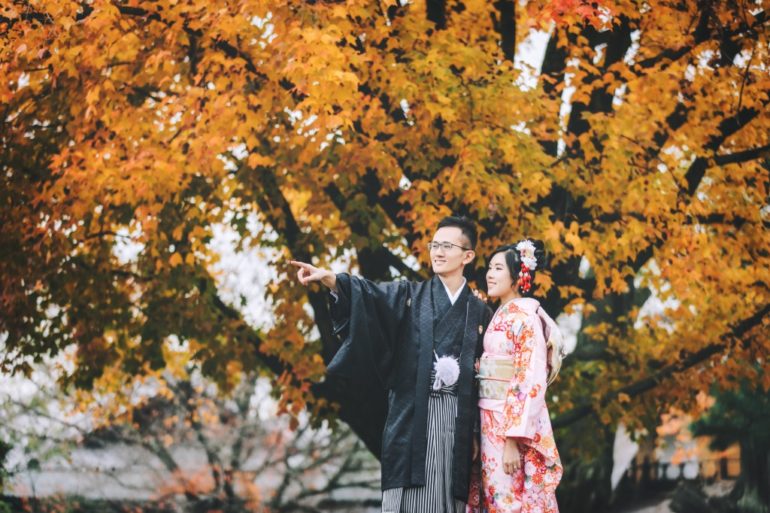
While smartphones capture beautiful moments, hiring a professional photographer elevates your autumn kimono experience, providing expertly composed images and allowing you to fully immerse yourself in the moment.
Finding Professional Photographers
Several resources help you connect with photographers specializing in kimono and cultural photography:
- Online platforms: Websites like Localgrapher, Flytographer, and Japan-specific services like Lovegraph connect travelers with local photographers
- Instagram research: Search hashtags like #kyotophotographer or #kimonophotoshoot to find photographers whose style resonates with you
- Kimono rental shop partnerships: Many shops collaborate with photographers or offer in-house photography services
- Hotel concierge services: Upscale hotels often maintain relationships with professional photographers
Pricing Expectations for Photo Services
Photography pricing in Japan varies based on duration, location, and photographer experience:
- 30-minute sessions: ¥8,000-¥15,000 (basic coverage, 20-30 edited photos)
- 1-hour sessions: ¥15,000-¥25,000 (standard package, 40-60 edited photos)
- Half-day shoots (4 hours): ¥25,000-¥40,000 (comprehensive coverage, 100+ photos, multiple locations)
- Full-day shoots: ¥50,000-¥80,000 (extensive coverage, multiple outfit changes, premium locations)
Some kimono rental shops offer integrated photography packages that can provide better value. For example, Kimono no Obebe provides convenient photo shoot options around their shop locations: ¥10,000 for a 30-minute session, ¥25,000 for a 4-hour experience, and ¥50,000 for full-day coverage. These bundled services eliminate the need to coordinate separately with photographers and rental shops.
Communication Tips with Japanese Photographers
Language barriers can create challenges, but these strategies ensure smooth communication:
- Share visual references: Create a Pinterest board or photo collection showing your desired style
- Use translation apps: Google Translate's camera feature works well for written communication
- Confirm details in writing: Email confirmations prevent misunderstandings about time, location, and pricing
- Discuss deliverables upfront: Clarify how many edited photos, delivery timeline, and file formats
Many photographers serving tourists have basic English skills, and some specialize in working with international clients.
What to Ask Before Booking
Essential questions to discuss with potential photographers:
- How many locations can we visit during our session?
- What happens if it rains or weather is unfavorable?
- Do you provide guidance on posing and positioning?
- When will the edited photos be delivered?
- Are there additional fees for travel to specific locations?
- Can you accommodate specific cultural or religious photography preferences?
Choosing Autumn-Appropriate Kimono Styles and Colors
Selecting the right kimono enhances both your comfort and the visual harmony of your autumn photographs. Understanding seasonal appropriateness and color theory creates stunning, culturally respectful images.
Seasonal Kimono Patterns for Autumn
Traditional Japanese aesthetics favor wearing patterns that reflect or slightly precede the current season:
- Momiji (Maple leaves): The quintessential autumn motif, available in various artistic styles
- Chrysanthemums: Symbol of longevity and the imperial family, perfect for fall
- Ginkgo leaves: Fan-shaped leaves represent autumn's gentle transition
- Moon and rabbit motifs: Connected to harvest moon festivals
- Subtle geometric patterns: Timeless designs that don't compete with foliage backgrounds
Color Coordination with Fall Foliage
Strategic color choices create either harmonious blends or striking contrasts:
- Complementary approach: Deep burgundy, burnt orange, or golden yellow kimono harmonize with autumn leaves
- Contrast approach: Deep navy, forest green, or ivory kimono stand out dramatically against red foliage
- Neutral sophistication: Charcoal gray or cream allows the natural scenery to dominate while maintaining elegance
Consider your natural coloring as well—cooler skin tones often photograph beautifully in jewel tones, while warmer skin tones shine in earth-based colors.
Traditional vs. Modern Kimono for Photography
Both traditional and modern kimono styles offer unique photographic opportunities:
- Formal traditional kimono: Rich silk, elaborate patterns, classic elegance—ideal for temple and garden settings
- Casual kimono (komon): Lighter fabrics, all-over small patterns, comfortable for extended shoots
- Modern fusion styles: Contemporary patterns, bold colors, great for urban autumn backdrops
- Antique kimono: Vintage fabrics with unique character, perfect for artistic photography
Accessory Selection for Autumn Shoots
Thoughtful accessories complete your autumn kimono look:
- Obi (sash): Choose colors that either complement or provide strategic contrast
- Hair ornaments: Seasonal flowers, traditional kanzashi, or minimalist pins
- Haori or shawl: Adds warmth and creates layered visual interest
- Traditional umbrella: Provides both practical weather protection and aesthetic appeal
Top Photography Locations for Autumn Kimono Photos
Japan offers countless spectacular locations for autumn kimono photography. Understanding each location's unique characteristics helps you select the perfect backdrop for your vision.
Kyoto's Temple Gardens
Kyoto remains the premier destination for traditional autumn kimono photography:
- Tofuku-ji Temple: Famous for its Tsutenkyo Bridge surrounded by 2,000 maple trees—arrive early to avoid crowds
- Eikando Temple: Offers evening illuminations in November, creating magical nighttime photography opportunities
- Kiyomizu-dera: Elevated wooden stage provides sweeping views over colorful canopy
- Arashiyama Bamboo Grove: While green year-round, surrounding areas burst with autumn color
Many temples charge entrance fees (¥400-¥600) and some restrict professional photography equipment or require permits.
Tokyo's Urban Parks
Tokyo's parks offer accessibility and diverse environments:
- Shinjuku Gyoen: Three distinct garden styles provide varied backdrops within one location
- Rikugien Gardens: Traditional landscape garden with illuminated evening viewing periods
- Meiji Jingu Gaien: Iconic ginkgo tree avenue creates golden tunnel effect
- Koishikawa Korakuen: Historic garden combining Chinese and Japanese design elements
Hidden Gems for Unique Shots
Beyond famous locations, these lesser-known spots offer crowd-free photography:
- Ohara area (Kyoto): Rural temples like Sanzen-in provide authentic, peaceful settings
- Kamakura: Coastal temples combine ocean views with mountain foliage
- Hakone: Mountain resort area with volcanic landscapes and autumn colors
- Local neighborhood shrines: Small community shrines often have beautiful trees without tourist crowds
Photography Location Logistics
Practical considerations for each location:
- Distance from kimono rental shop (consider travel time in traditional footwear)
- Accessibility by public transportation
- Availability of changing facilities or rest areas
- Crowd management strategies (early arrival, weekday visits)
- Entrance fees and opening hours
Working with Kimono Rental Services for Photography

Coordinating kimono rental with photography requires understanding rental shop policies, timing considerations, and service options that support your photography goals.
Rental Duration for Photo Shoots
Standard kimono rental periods may not align with photography needs:
- Standard rental (3-4 hours): Suitable for single-location shoots near the rental shop
- Extended rental (6-8 hours): Allows travel to multiple locations and flexible timing
- Full-day rental: Provides freedom for sunrise/sunset shoots and location diversity
- Multi-day rental: Some shops offer overnight options for consecutive days of photography
When booking, communicate your photography plans clearly. Shops like Kimono no Obebe understand photography needs and can recommend appropriate rental durations based on your location plans and shoot complexity.
Kimono no Obebe Photography Services
For travelers seeking convenience and quality, Kimono no Obebe offers integrated kimono rental and photography packages specifically designed for autumn photo shoots:
- 30-minute session (¥10,000): Quick photo shoot around the shop area, perfect for those with limited time or wanting beautiful memories without extensive planning
- 4-hour package (¥25,000): Comprehensive session allowing visits to 2-3 nearby locations, includes kimono rental, dressing, hair styling, and professional photography
- Full-day experience (¥50,000): Premium all-day coverage with kimono rental, complete styling, and photographer accompaniment to multiple locations of your choice
These packages eliminate the stress of coordinating separate vendors and ensure your kimono styling remains pristine throughout the photo shoot. The photographers are experienced with kimono photography and understand how to capture both the garment's beauty and the seasonal surroundings.
Shop Location Advantages
Choosing a rental shop strategically positioned near your desired photography locations saves time and energy:
- Shops near Kyoto's Gion district provide easy access to temples and traditional streets
- Asakusa-based shops connect quickly to Sensoji Temple and traditional Tokyo neighborhoods
- Consider shops offering luggage storage if you're traveling with bags
What to Discuss with Rental Shops
Important questions before booking:
- Can I extend my rental time if my photo shoot runs late?
- What happens if the kimono gets dirty during outdoor photography?
- Do you offer weather-appropriate accessories (umbrellas, shawls)?
- Can I change kimono styles mid-day for varied photographs?
- Are there restrictions on where I can wear the kimono?
Photography Etiquette and Cultural Sensitivity
Respecting Japanese culture and local customs ensures your photography experience is both enjoyable and appropriate. Understanding proper etiquette protects cultural sites and honors the kimono's significance.
Respecting Sacred Sites
When photographing at temples and shrines:
- Observe photography restrictions: Some areas prohibit photography entirely; always check signage
- Avoid disruptive behavior: Keep voices low, don't block pathways, be mindful of worshippers
- Ask before photographing people: Even in public spaces, respect others' privacy
- Follow dress codes: Some sacred areas require covered shoulders or removed shoes
Proper Kimono Representation
Wearing kimono respectfully honors Japanese culture:
- Left over right: Always wrap kimono left side over right (right over left is only for burial)
- Maintain modesty: Avoid poses that expose undergarments or disarrange the kimono
- Understand symbolism: Be aware that certain patterns or colors have specific cultural meanings
- Treat the garment carefully: Avoid sitting on dirty surfaces or handling the fabric roughly
Photographer-Subject Etiquette
Whether working with a professional or friend:
- Communicate clearly about comfort levels with different poses
- Take breaks when needed—kimono can be physically restrictive
- Be patient with setup time for optimal lighting and composition
- Respect the photographer's artistic direction while voicing your preferences
Environmental Responsibility
Protect the autumn landscapes you're photographing:
- Stay on designated paths to prevent erosion
- Don't pick leaves or flowers for props
- Carry out all trash and belongings
- Avoid touching or leaning on historic structures
DIY vs. Professional Photography: What to Consider
Deciding between self-photography and hiring a professional depends on your budget, desired quality, and how you prefer to experience your kimono adventure.
Budget Considerations
Cost comparison helps clarify the value proposition:
- DIY approach: Only rental costs (¥3,000-¥8,000), potential tripod rental (¥1,000), free but time-intensive
- Professional photography: Combined costs (¥15,000-¥80,000) but includes expertise, editing, and stress-free experience
- Hybrid approach: Quick professional session plus DIY photos throughout the day
Quality and Technical Factors
Professional photographers bring valuable skills:
- Understanding of optimal lighting conditions and camera settings
- Compositional expertise that maximizes background beauty
- Professional editing that enhances colors while maintaining natural appearance
- High-resolution files suitable for printing and enlargement
- Posing direction that flatters while respecting kimono tradition
Smartphone cameras have improved dramatically, but professional equipment still offers superior dynamic range, especially important when capturing the subtle color gradations of autumn foliage.
Convenience and Experience
Beyond image quality, consider the experiential differences:
- Professional advantages: You fully experience the moment without camera stress; someone ensures your kimono looks perfect in each shot; guided to best locations and angles
- DIY advantages: Complete creative control; spontaneous photography as moments arise; no time pressure from scheduled sessions
Making the Decision
Choose professional photography if:
- This is a once-in-a-lifetime visit to Japan
- You want professional-quality images for special occasions (anniversaries, proposals, etc.)
- You prefer experiencing moments rather than documenting them yourself
- You're unfamiliar with manual camera settings
Choose DIY photography if:
- You have photography skills and enjoy the creative process
- Budget is a primary concern
- You prefer spontaneous, unstructured exploration
- You're visiting during multiple trips and can experiment
Practical Tips for Your Kimono Photo Shoot

Success lies in the details. These practical tips ensure your autumn kimono photo shoot proceeds smoothly from preparation through execution.
Posing Tips for Kimono Photography
Kimono's structure influences flattering poses:
- Stand with slight angle: Position your body at 30-45 degrees to the camera rather than straight-on
- Elongate your neck: Imagine a string pulling from your crown; avoid tucking chin
- Relax your shoulders: Tension shows in photographs; take deep breaths
- Hand placement: Gentle positions near the obi or holding accessories look natural; avoid stiff, straight arms
- Walking shots: Take small steps and allow the kimono to flow naturally; exaggerated strides disrupt the garment's line
Movement and Grace in Kimono
Kimono restricts movement, which creates distinctive elegance:
- Practice walking in small steps before your photo shoot
- Turn your entire body rather than twisting at the waist
- Sit by lowering straight down, keeping knees together
- Hold the lower kimono slightly when climbing stairs
These movements aren't just practical—they create graceful photographic moments.
Dealing with Autumn Weather
Weather challenges and solutions:
- Light rain: Traditional umbrellas (wagasa) create atmospheric photos; modern clear umbrellas protect while maintaining visibility
- Wind: Choose sheltered locations; have someone assist with keeping kimono arranged; wind can create beautiful movement in photos if managed
- Temperature fluctuations: Layer appropriately underneath (rental shops can advise); haori jackets add warmth without hiding the kimono
- Bright sun: Seek dappled shade to avoid harsh shadows; use reflectors if working with a photographer
Timing Your Photo Shoot
Strategic scheduling maximizes both light quality and comfort:
- Morning shoots (7:00-10:00 AM): Soft light, fewer crowds, cooler temperatures, fresh energy
- Midday (11:00 AM-2:00 PM): Harshest light but warmest temperatures; seek shade or open-shade locations
- Afternoon shoots (3:00-6:00 PM): Golden hour magic, warmer color tones, potential crowd increase
If possible, split your shoot across multiple time periods to capture different lighting moods.
Essential Items to Bring
Pack these items for a smooth photo shoot experience:
- Comfortable shoes for traveling to location (change into traditional footwear for photos)
- Small bag for personal items (compact enough to hide in photos)
- Blotting papers or compact powder for quick touch-ups
- Phone with maps, translation apps, and photographer contact
- Water bottle (stay hydrated but avoid drinking in kimono if possible)
- Emergency safety pins (for minor kimono adjustments)
- Portable phone charger (for maps and communication)
Communication with Your Photographer
Clear communication ensures your vision becomes reality:
- Share inspiration photos before the shoot
- Discuss must-have shots versus nice-to-have moments
- Establish hand signals if language barriers exist
- Request to review a few shots mid-session to ensure satisfaction
- Be honest about comfort levels with different poses or locations
Conclusion
Autumn in Japan offers an unparalleled opportunity to combine the natural artistry of changing seasons with the cultural elegance of traditional kimono. Whether you choose a quick professional session or an all-day photography adventure, the key to memorable images lies in thoughtful planning, cultural respect, and embracing the experience fully.
From selecting the perfect autumn-toned kimono to finding that ideal maple-framed temple backdrop, every decision contributes to photographs that capture not just how you looked, but how you felt during this special experience. Professional services like those offered by Kimono no Obebe simplify the process by combining rental and photography, allowing you to focus on creating memories rather than managing logistics.
As you plan your autumn kimono photo shoot, remember that the most beautiful photographs come from authentic moments—the spontaneous smile when a leaf drifts past, the quiet contemplation in a temple garden, the joy of experiencing Japanese culture firsthand. Let the season's natural beauty inspire you, trust your chosen photographer or your own creative eye, and cherish the opportunity to become part of Japan's living cultural canvas.
Your autumn kimono photographs will become more than images—they'll be tangible memories of a season when you walked through Japan's most beautiful landscapes, wrapped in centuries of tradition, creating art with every step.
Comparison Table: Photography Package Options
| Package Type | Duration | Price Range | Best For |
|---|---|---|---|
| Quick Session | 30 minutes | ¥8,000–¥15,000 | First-time visitors, limited time |
| Standard Shoot | 1-2 hours | ¥15,000–¥30,000 | Single location, quality memories |
| Half-Day Experience | 4 hours | ¥25,000–¥40,000 | Multiple locations, varied shots |
| Full-Day Premium | 8+ hours | ¥50,000–¥80,000 | Special occasions, comprehensive coverage |
Essential Checklist: Planning Your Autumn Kimono Photo Shoot
- Research foliage peak timing for your destination
- Book kimono rental shop (with or without photography package)
- Scout locations or hire local photographer with location knowledge
- Check weather forecast and prepare backup plans
- Communicate color preferences for kimono selection
- Plan comfortable shoes for travel to photo locations
- Prepare inspiration photos to share with photographer
- Charge all devices and bring portable power bank
- Allow extra time for getting dressed and styled
- Enjoy the experience—authentic joy creates the best photos!